TL;DR
- Colombian President Gustavo Petro is exploring the Caribbean coast as a base for Bitcoin mining powered by surplus renewable energy.
- Cities such as Barranquilla, Santa Marta, and Riohacha are under consideration due to their infrastructure and grid access.
- The proposal also includes participation from the Wayúu community, aiming to combine digital industry growth, local inclusion, and energy utilization.
Colombia is moving to position itself within the global Bitcoin mining landscape as President Gustavo Petro promotes a plan centered on the Caribbean region. The initiative focuses on using excess renewable energy to support mining operations, aligning with a broader push toward energy efficiency and digital infrastructure. The proposal reflects a shift in how emerging economies view crypto as a tool for development rather than speculation.
Si las monedas virtuales se basan en energía fósil estalla el calentamiento mundial y el colapso climático
Hoy los países con abundantes energías limpias encerradas como Venezuela y Paraguay, logran atraer las inversiones en minería del bitcoin. La.minería del bitcoin es el… https://t.co/KroCrG9qkD
— Gustavo Petro (@petrogustavo) May 5, 2026
Bitcoin Mining Expansion Across Caribbean Cities
Petro identified Barranquilla, Santa Marta, and Riohacha as strategic locations for Bitcoin mining facilities. These cities offer proximity to power grids, port infrastructure, and trade routes, which can reduce operational costs and improve scalability. Riohacha stands out due to its connection to energy projects in La Guajira, a region known for strong wind potential.
Colombia has increased its renewable energy capacity in recent years, especially in wind and solar. This creates conditions similar to those seen in Paraguay and Venezuela, where low-cost electricity has historically attracted mining operations. By leveraging these advantages, Colombia could compete with established mining hubs while maintaining a cleaner energy profile. Industry observers note that grid stability and transmission upgrades will play a key role in scaling operations efficiently.
Renewable Energy Integration And Local Participation
A notable element of the proposal involves the inclusion of the Wayúu indigenous community. Petro suggested that local groups could hold ownership stakes in mining operations, linking digital infrastructure with regional development. This approach introduces a model where crypto mining becomes a shared economic opportunity.
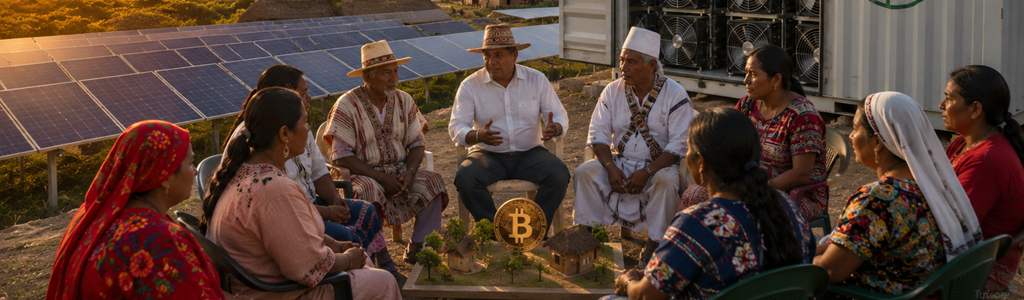
The plan also aligns with global trends where Bitcoin mining increasingly relies on renewable energy. Reports from organizations like the Cambridge Centre for Alternative Finance show a growing share of mining powered by sustainable sources. Colombia’s approach could reinforce that trajectory while attracting international interest. Analysts also point to job creation and technology transfer as potential secondary benefits for the region.
In conclusion, Colombia’s Caribbean strategy signals a pragmatic embrace of Bitcoin mining as part of its energy and economic policy. If implemented effectively, it could strengthen the country’s role in the crypto sector, while fostering regional development and energy optimization.