RegulationNews
South Korea Expands Its AML Crackdown as Authorities Target Sub-$680 Crypto Transfers
South Korea intensifies its Anti-Money Laundering (AML) campaign with a plan that broadens the Travel Rule to cover crypto transfers.


Key points
- South Korea expands its Travel Rule to include crypto transfers under $680.
- The measure aims to prevent transaction splitting to avoid identity checks.
- Regulators introduce pre-emptive account freezes for suspected illicit activity.
South Korea intensifies its Anti-Money Laundering (AML) campaign with a plan that broadens the Travel Rule to cover crypto transfers under 1 million won (about 680 dollars. Regulators aim to shut the gap that allowed users to split transactions into smaller amounts to avoid identity checks. Exchanges must now collect and share full sender and receiver details even for low-value transfers.
Lee Eok-won, chairman of the Financial Services Commission (FSC), announced the expansion during a session at the National Assembly. He emphasized the need to confront illicit activity that uses crypto rails to avoid oversight. The new framework targets operations tied to drug trafficking, tax evasion, and overseas payment channels that rely on anonymous transfers.
Authorities Add New Restrictions, Stronger Oversight and Pre-Emptive Freezes
Regulators introduce limits on offshore exchanges labeled as high-risk. These platforms carry elevated AML concerns, and authorities move to cut their access to Korean users. Domestic exchanges face deeper reviews of their financial stability and stricter criteria to maintain VASP registration.
The government bars individuals with records involving drug or tax crimes from becoming major shareholders in regulated crypto firms. Officials argue that this measure protects licensed companies from actors who might influence operations for illicit purposes.
The Financial Intelligence Unit (FIU) adds a pre-emptive freezing mechanism for accounts tied to major offenses. The tool keeps funds from disappearing during investigations and gives regulators more control when they detect suspicious flows.

Officials aim to complete the new AML framework in the first half of 2026, followed by legislative amendments and wider coordination with global partners, including the Financial Action Task Force. The initiative marks the country’s most comprehensive AML effort since its 2021 revision of the Special Financial Information Act.
South Korea strengthens tax enforcement as well
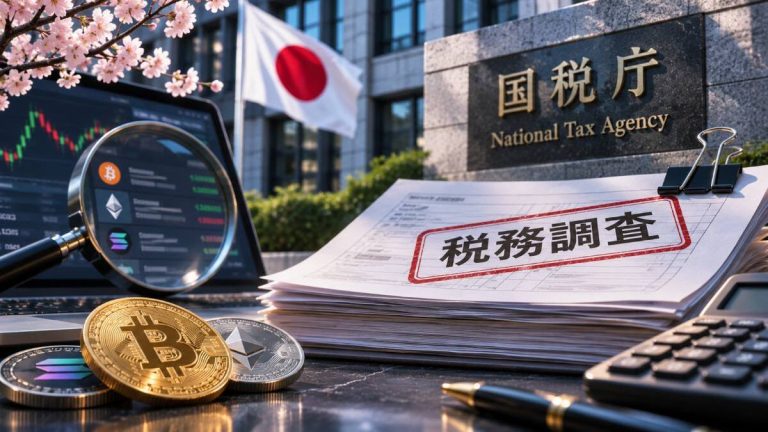
The National Tax Service (NTS) recently stated that its teams conduct home searches and seize cold wallets or hard drives when they suspect offline concealment of crypto holdings. Agents rely on tracking tools to identify patterns of tax delinquency, and they launch seizures when evidence supports the claim.