TL;DR
- Jito submitted JIP-38, a proposal to allocate 100% of the DAO’s 80% share of JTX fees to $JTO buybacks and burns.
- The mechanism would operate through a programmed system called “Rev Splitter” that would automatically buy and burn $JTO for at least one year.
- The Jito ecosystem is recording strong expansion. The BAM client already runs on 51.6% of Solana validators: $10.65 billion in staking.
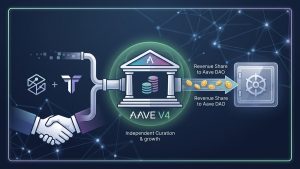
Jito, one of the leading companies in the Solana ecosystem, published the governance proposal JIP-38, drafted by Dr. Nick Almond, governance lead at the project’s Foundation. The proposal seeks to allocate the entirety of the 80% of fees generated by JTX —its new self-custody trading platform— to automated buybacks on the open market and the permanent burn of the $JTO token for a minimum period of one year, with a reassessment scheduled for the fourth quarter of 2027.
The proposal explicitly defines Jito as a “token-centric network,” a model in which all primary protocol revenues fall under the direct governance of token holders. The only exception is the 20% of JTX fees, reserved for the ongoing development of the platform.
BREAKING: @jito_sol has launched JIP-38, a proposal to direct the DAO’s entire 80% share of @jtx_trade's fees toward automated solana:jtojtomepa8beP8AuQc6eXt5FriJwfFMwQx2v2f9mCL buybacks and burns for at least one year. pic.twitter.com/jhWS7Wv6C6
— SolanaFloor (@SolanaFloor) July 13, 2026
The Buyback Mechanism Behind Jito JIP-38
The central instrument of the proposal is the so-called “Rev Splitter”, a programmed on-chain system that would buy $JTO on the open market before proceeding to permanently burn it. The architecture allows any token holder to verify in real time the fee collection, executed buybacks, and destroyed tokens. Redirecting those funds before the commitment period expires would require a separate governance proposal, adding a layer of protection to the mechanism.
Responsibilities are distributed among three entities: the Development Council will manage the Rev Splitter, the Development Oversight Committee (DOC) will handle buyback commitments and analyses, and the Foundation will coordinate fee flows and governance updates. Buybacks would be funded entirely from JTX revenues, with no need to draw on existing treasury funds.

A Growing Ecosystem
The Jito ecosystem continues to grow rapidly. The Block Assembly Marketplace (BAM), launched in September 2025, already operates on 369 of the 715 Solana validators, equivalent to 51.6% of the total. BAM validators concentrate 31.9% of staked $SOL on the network, a figure that represents approximately $10.65 billion in staking.
So far in 2026, BAM has grown from covering 12% to 32% of network stake and has added nearly 150 new validators . In April, the BAM plugin for proprietary AMMs launched, with quote updates every 50 milliseconds. In June, the Maker Priority Plugin went live on Archer Exchange, reducing toxic flow for market makers. On July 13, a new BAM node was activated in Hong Kong.
If JIP-38 receives approval, JTX will become the revenue source dedicated to automatic $JTO buybacks, while the long-term allocation will remain in the hands of token holders until the scheduled review.