
TL;DR
- Bowman’s testimony introduces a unified framework for banks and stablecoin issuers that organizes standards and reduces operational risks.
- The proposal develops the Genius Act’s capital and liquidity requirements for issuers that must register and back every token with one-to-one dollar reserves.
- The agenda moves forward alongside Basel III Endgame and seeks to ensure that banks, fintech firms, and issuers compete under comparable criteria in a regulated and stable system.
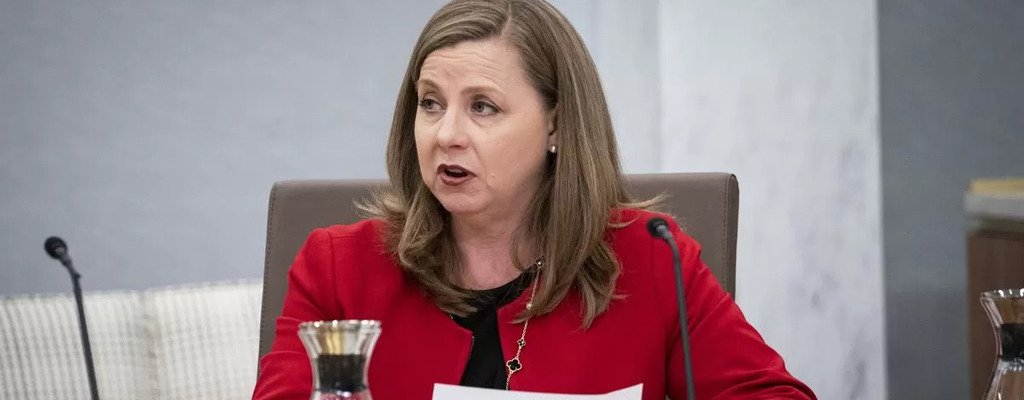
Michelle Bowman’s appearance before the House Financial Services Committee marks a concrete shift in the Federal Reserve’s regulatory agenda: a unified framework for banks and stablecoin issuers that reduces operational risks stemming from innovation and, for the first time, sets consistent rules for entities competing for the same users.
Bowman argues that the growth of fintech firms and digital-asset companies created an ecosystem where divergent standards coexist, and she sees the need to align that landscape to foster innovation without creating artificial regulatory advantages.
The centerpiece of her proposal is the development of capital, liquidity, and diversification requirements for stablecoin issuers, obligations established under the Genius Act. The law requires these companies to register formally and back every token with reserves held one-to-one in dollars.
Bowman maintains that this system would raise the sector’s operational quality and reduce the likelihood of stress-driven disruptions, especially as issuers reach significant scale in short-term markets. She also anticipates that agencies will provide clearer technical definitions of what qualifies as a digital asset, how new use cases should be assessed, and what the regulatory perimeter should be for hybrid activities between banking and crypto.
The broader context is an open dispute between traditional banks and crypto companies over access to bank charters. Banks argue that allowing digital firms to operate with the legitimacy of a bank license without assuming all the historical obligations would create an uneven system. For crypto companies, that license would formalize a more stable framework and reduce the legal uncertainty that restricts product development.
Bowman: Innovation and Safety Should Not Be Treated as Opposing Forces
Bowman advances this agenda while pushing the final phase of Basel III Endgame, a capital framework for large banks that has triggered internal debate and political pressure. She says the calibration process will not follow predetermined targets, but instead a bottom-up technical assessment supported by the simultaneous revision of the capital surcharge for systemic institutions. The Fed has already presented other regulators with a revised draft that softens earlier proposals for major banks, opening room for negotiation ahead of the final version.

Bowman’s final message is that innovation and safety should not be treated as opposing forces. She proposes a system where banks, fintechs, and stablecoin issuers compete under comparable standards and where oversight keeps pace with technological change