News
CertiK Leads INTERPOL Training on Recovering Stolen Crypto Assets
CertiK trains INTERPOL investigators to trace stolen crypto across blockchains and request exchange freezes during a cybercrime workshop in Hanoi.


Key points
- CertiK trained investigators from Asia and the South Pacific at an INTERPOL meeting in Hanoi on tracing stolen cryptocurrency and requesting exchange freezes.
- Officers followed a wallet-compromise case through swaps, cross-chain bridges and intermediary wallets to three exchange deposit addresses, while learning to identify address-poisoning decoys.
- The sessions also covered wallet analysis, smart contract vulnerabilities and attack types, linking evidence with practical procedures for freezing assets when intervention is possible.
Blockchain security firm CertiK trained law enforcement investigators from Asia and the South Pacific on tracing stolen cryptocurrency and securing asset freezes during an INTERPOL cybercrime meeting in Hanoi. In an official post, CertiK highlighted the workshop as part of its cooperation with investigators. The sessions connected crypto exploit tracing with the practical steps needed to request freezes once stolen funds reach exchanges, for possible intervention by cooperative exchanges and other centralized service providers.
From tracing stolen crypto across chains to coordinating asset freezes, effective cybercrime investigations require both technical expertise and public-private cooperation.
At the INTERPOL Cybercrime Working Group in Hanoi, CertiK delivered hands-on training to law enforcement… pic.twitter.com/JLDhZA8BYb
— CertiK (@CertiK) November 24, 2026
Training links blockchain tracing with exchange freezes
The 3rd INTERPOL Asia and South Pacific Working Group Meeting on Cybercrime ran from October 27 to 30, with senior law enforcement officials from 20 countries attending, according to CertiK. Tether and South Korean exchange Upbit were among private-sector participants. Investigators worked through a real wallet-compromise case using open-source block explorers and CertiK compliance software. They followed stolen assets through swaps, cross-chain bridges and intermediary wallets to three exchange deposit addresses.
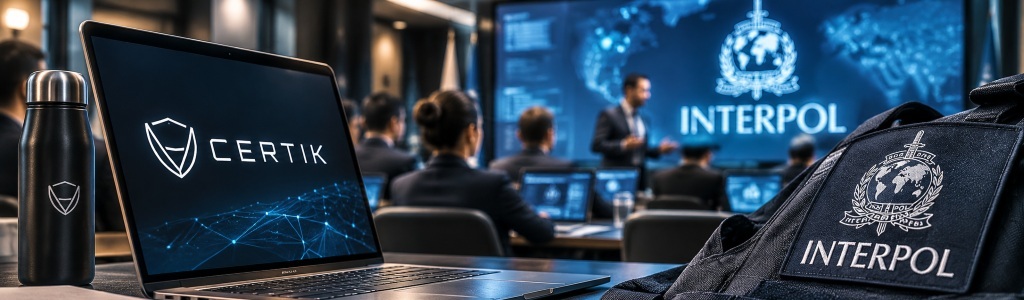
CertiK divided recovery into two stages: mapping how stolen assets move after a theft, then using that evidence to contact an exchange and seek a freeze. The exercise also covered address-poisoning decoys designed to send investigators toward false trails. The workshop moved beyond identifying suspicious addresses by showing officers how to use law-enforcement portals and submit formal requests to freeze funds. Similar onchain tracing challenges arise when stolen assets cross networks and wallets.
Other sessions examined wallet activity before and after suspicious transfers, how smart contract vulnerabilities and audit findings can inform investigations, and how to distinguish compromised signing keys from phishing and social-engineering attacks. CertiK’s Esme Pau said investigators need both a clear understanding of an attack and a practical route to act on evidence. The training linked technical attribution with intervention procedures that can support recovery when funds reach cooperative intermediaries. That distinction also matters in crypto asset recovery cases.
CertiK said Web3 security losses reached about $2.6 billion during the first three quarters of 2026, with compromised keys, targeted phishing and supply-chain attacks among the main causes. Its H1 report recorded about $1.32 billion lost across 344 incidents. The Hanoi workshop reflects a broader effort to combine blockchain analytics, exchange coordination and law-enforcement procedures rather than treating tracing alone as recovery. Earlier fund-freezing efforts show why investigators also need an actionable endpoint and a mechanism to stop assets from moving.