TL;DR
- The IMF acknowledged faster-than-expected economic growth in El Salvador, with GDP expanding close to 4%, supported by investment and remittances.
- Fiscal targets remain on track, as the 2026 budget reduces the deficit while increasing social spending.
- At the same time, the Bitcoin Strategy remains under review, with the government holding about 5,700 BTC and continuing daily purchases as part of its broader financial framework.
The International Monetary Fund reported steady progress in negotiations with El Salvador, highlighting stronger economic performance and continued alignment with reform goals under the current financing program. The assessment places macroeconomic stability and the Bitcoin Strategy at the center of discussions, reflecting their growing relevance for the country’s medium-term outlook.
IMF Assessment And Economic Momentum
According to the IMF, El Salvador’s economy is expanding above earlier projections. Real GDP growth is tracking near 4% this year, driven by resilient domestic demand, record remittance inflows, and a gradual recovery in private investment. These dynamics helped stabilize reserves and domestic financing conditions, while improving overall market confidence.
The Fund noted that clearer fiscal planning and policy coordination supported this momentum. It also pointed to solid short-term growth expectations if current trends hold. The ongoing review process focuses on preserving macroeconomic stability as external conditions evolve.
Bitcoin Strategy And Fiscal Discipline
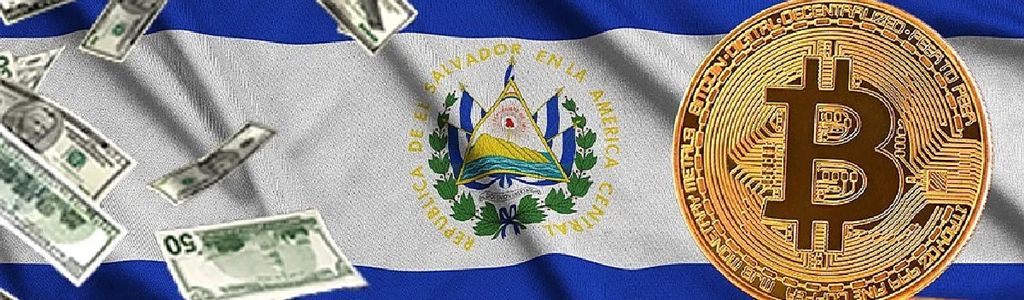
The Bitcoin Strategy remains a key topic within IMF consultations. Authorities continue to provide disclosures on digital asset holdings and risk management, while talks emphasize transparency and safeguarding public resources. El Salvador holds about 5,700 BTC, which at current market prices are valued above $500 million, increasing the visibility of digital assets on the national balance sheet and drawing global investor attention.
On the fiscal side, the IMF stated that program targets remain achievable. The 2026 budget outlines further deficit reduction alongside higher social spending. Structural measures include a published actuarial pension study, a medium-term fiscal framework, and reforms that strengthen bank resolution, deposit insurance, and crisis management, alongside Basel III adoption and updated AML rules.
Looking ahead, IMF staff and Salvadoran officials continue technical engagement toward completing the next program review. The combination of faster growth, fiscal discipline, and an evolving Bitcoin Strategy keeps El Salvador in focus as a case where digital assets intersect with traditional macroeconomic frameworks.
Officials say continued dialogue should reinforce credibility, attract capital, and clarify how digital assets coexist with orthodox policies across emerging markets over coming quarters globally ahead.