TL;DR:
- Falcon Finance launched a regulated real-world asset tokenization pipeline in El Salvador, with a GPU forward as its first instrument.
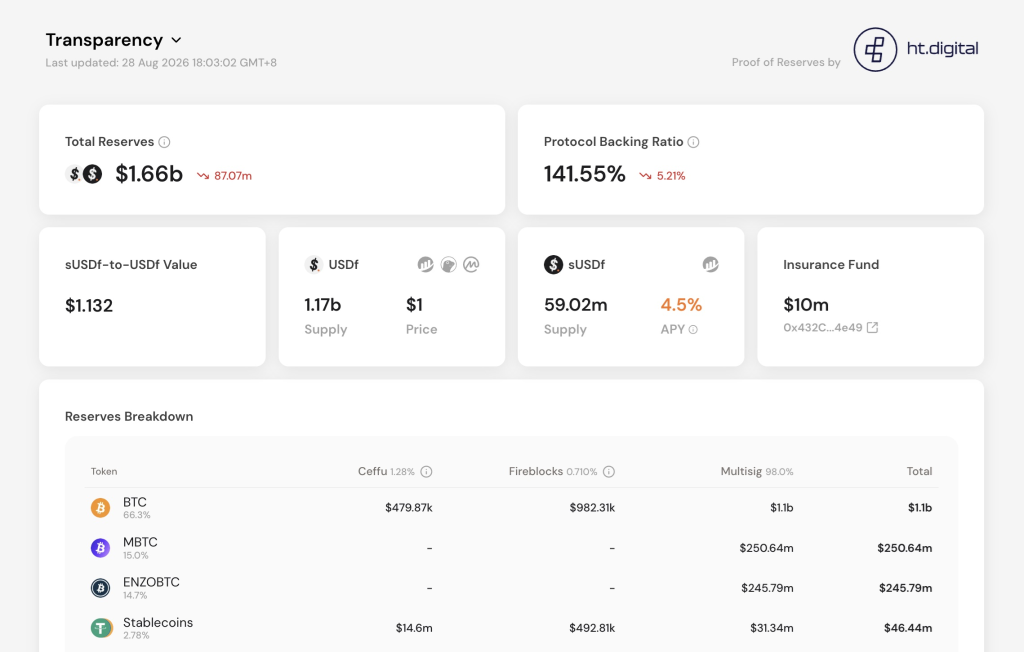
- The USDf supply reached $1.18 billion as of August 31, with total reserves of $1.67 billion and a collateralization ratio of 141.6%.
- The FF token leads token sale ROI in 2025 according to Messari, with a 98% return across a group of 41 analyzed issuances.
The Falcon Finance protocol launched its regulated real-world asset tokenization pipeline, headquartered in El Salvador and centered on financing compute infrastructure through a GPU forward. This project marks the protocol’s first formal attempt to connect tokenized asset issuance with its native stablecoin, USDf.
The instrument under structuring aims to solve a financing problem: high-end GPUs typically register between four and eight months between payment and delivery. The forward is issued below par value, accretes to par over that period, and then pays out through lease revenues once the hardware is operational.
Falcon Collaborates with NEAR
NEAR AI acts as the anchor buyer of the compute those GPUs will produce, while vGPU handles the supply, installation and maintenance of the equipment. The issued assets by Falcon are designed to operate on open venues, including Uniswap, and once they reach sufficient market depth they can be used as collateral to mint USDf.
The issuance takes place in El Salvador through NOTA S.A.S. de C.V. (PSAD-0088), an entity licensed under the Digital Asset Issuance Law administered by the CNAD, the same regulatory framework under which Tether Gold operates. The minting and redemption process is permissioned with KYC, although Falcon assets can subsequently be traded freely on onchain venues.

USDf, fUSD and the State of Reserves
At closing, the USDf supply stood at $1.18 billion, with $59.0 million in sUSDf and total reserves of $1.67 billion. The collateralization ratio reached 141.6%, with BTC representing the largest exposure at 66.3% (approximately $1.11 billion), followed by mBTC at 15.0% and enzoBTC at 14.7%. The yield on sUSDf stands at 4.51% APY, backed by a $10 million insurance fund.
Meanwhile, fUSD continues to function as the institutional dollar issued by Anchorage, compatible with the GENIUS framework and offering approximately 3% in rewards on T-bills for qualified desks.
As for the broader market context, RWAs set a new all-time high on August 21, reaching $38.4 billion, with U.S. Treasury Bonds leading at around $16.15 billion. Tokenized credit ranks second at $7.36 billion. Total RWA asset holders reached 2.93 million, a 104% increase over 30 days.