TL;DR
- According to CoinShares, the crypto market is heading into 2026 with deeper integration into traditional finance, driven by the expansion of stablecoins and RWAs.
- Tokenized bonds are powering sector growth, with issuance surpassing $8.68B and a growing reliance on on-chain infrastructure.
- Stablecoins and on-chain revenue-generating applications are starting to function as core components of the digital financial system the company envisions for 2026.
The crypto market is entering 2026 with a structure that looks very different from previous cycles. CoinShares argues that the ecosystem has moved past the testing phase and speculative narratives, shifting instead toward meaningful integration with traditional finance.
Its outlook for 2026 highlights a point of convergence between public blockchains, regulated capital, and products that already generate cash flows. The firm describes this shift as a hybrid system where institutions and on-chain activity operate on a shared infrastructure.
CoinShares Anticipates a Moderately Expanding Market
The macro backdrop matters but no longer dictates the full narrative. CoinShares expects a moderate expansion, with a Federal Reserve easing rates cautiously and inflation cooling unevenly. That environment keeps global liquidity supportive without turning it into an automatic price catalyst. The market is beginning to demand metrics, real usage, and clear fundamentals.

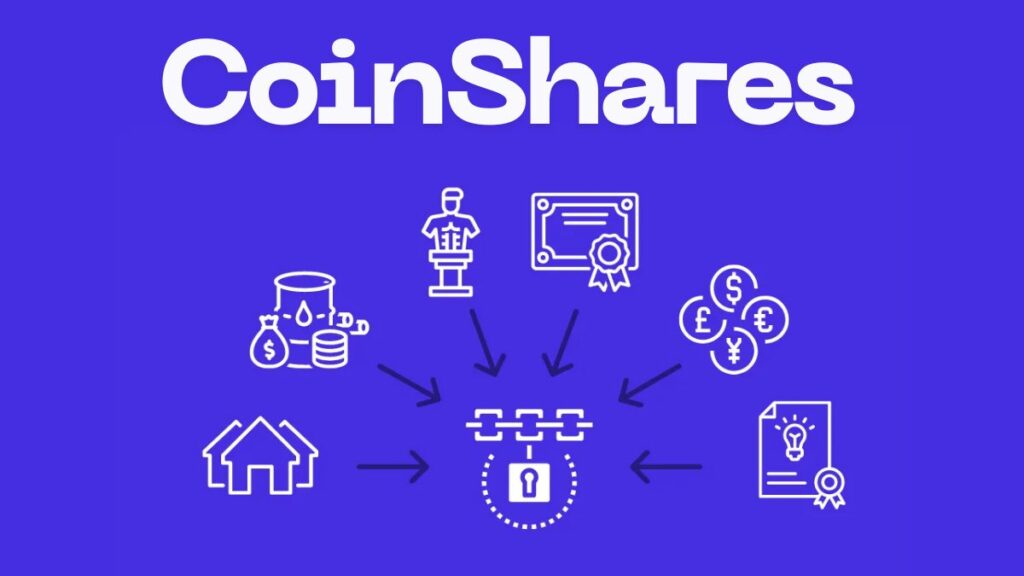
Within that transition, tokenized bonds became the main engine of the RWA market. In 2025 they grew from $3.91B to $8.68B, while private credit nearly doubled from $9.85B to $18.58B. CoinShares links this jump to a structural shift: investors prefer holding Treasurys over stablecoins when the yield compensates for the incremental risk. On-chain issuance is no longer experimental; it is now embedded in traditional asset managers that operate global-reach products with more efficient settlement.
Competing for Institutional Liquidity
Ethereum holds most tokenized bonds, with more than $4.9B issued, while other networks compete for the remaining flow. The report notes that infrastructure has become a battleground among chains seeking to capture institutional liquidity, though market consolidation remains uncertain.

CoinShares also notes that stablecoins have entered a phase in which they function as a global payment system. Volumes now rival traditional networks, regulation has moved away from ambiguity, and companies are beginning to integrate internal processes directly on on-chain rails. Meanwhile, applications that connect real revenues to tokens through mechanisms like buybacks and burns are pushing digital assets toward valuation models that resemble equity.
CoinShares expects 2026 to be a year where the industry shifts from narrative to utility, driven by products that work, capital that demands efficiency, and digital assets that integrate into the real economy rather than operating outside it.