News
Trezor Discloses Shipping Partner Breach Exposing Data From 27,000 Orders
Trezor says a breach at shipping partner Skladon exposed data tied to about 27,000 orders, increasing phishing and physical-security risks.


Key points
- Trezor disclosed a breach at shipping partner Skladon affecting approximately 27,000 orders placed between August 9 and November 7, exposing names, addresses and order details.
- Trezor said its systems and devices were not compromised, but warned customers that leaked information could support targeted phishing and create physical-security risks.
- The company is cutting order-data retention from 90 to 45 days and introduced anonymous pickup in 18 European countries after the incident.
Trezor disclosed a data breach at Skladon, one of its shipping partners, involving information linked to approximately 27,000 orders placed between August 9 and November 7. In its public warning, the company said names, phone numbers, delivery addresses, email addresses and order details were exposed. Skladon notified Trezor on November 15 about the unauthorized access incident. The incident highlights risks in hardware wallet security beyond private-key custody. Trezor said its own systems were not compromised and customers’ devices remain secure.
Data breach involving Skladon
On 15 November, Skladon, one of our delivery partners, notified us that an attacker had gained unauthorized access to Trezor order data it holds. We’re still investigating with Skladon, but we want to let you know now.
What we know:
• We believe…— Trezor (@Trezor) November 16, 2026
Shipping data creates phishing and physical-security risks
Trezor warned that exposed order data could make scams more convincing. The company advised affected customers to treat unexpected calls, texts, emails or letters about their purchases as suspicious and to remain alert to physical-security risks. It also reiterated that Trezor will never call customers or ask them to disclose a wallet backup. The immediate concern is that attackers could use authentic personal and purchase details to make impersonation attempts appear legitimate.
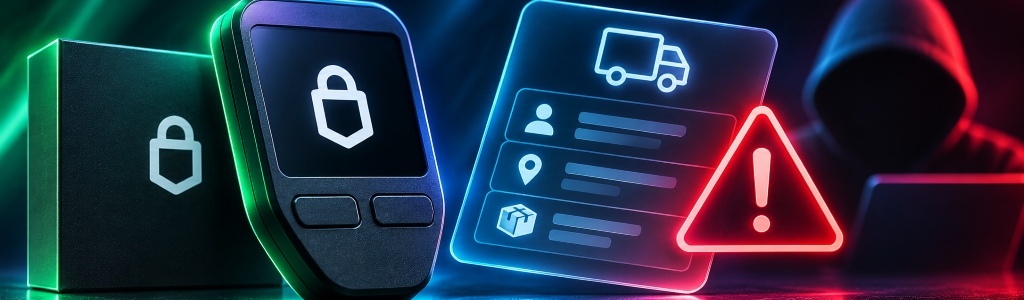
Skladon serves countries but does not ship Trezor orders to the United States, meaning U.S. customers were not affected by this incident. Trezor said customers who received its notification and ordered during the affected period should assume their information was exposed. The company also acknowledged that some older records had already been anonymized, limiting its ability to contact every potentially affected buyer. The breach spans several markets, but its impact depends on whether individual orders passed through Skladon’s logistics systems.
The incident follows an earlier Trezor shipping-provider breach involving ShipMonk, which ultimately exposed information linked to more than 80,000 customers. Trezor has also warned about phishing attempts tied to third-party providers, reinforcing the importance of separating device security from the wider data supply chain. Repeated incidents at external providers show that customer information can remain exposed even when wallet infrastructure itself is uncompromised.
Trezor said it is responding by reducing how long order data is retained from 90 days to 45 days, with plans to shorten that period further. It has also introduced anonymous pickup in 18 European countries, allowing buyers to collect devices without supplying a home address for delivery. The changes come alongside broader supply-chain security concerns affecting hardware-wallet distribution. For affected customers, Trezor’s guidance remains focused on identifying impersonation attempts and never sharing a wallet backup with anyone.