Digital asset trading continues to evolve through platforms that combine innovative market structures with access to new financial opportunities. Arcus DEX enters this space with a focus on advanced trading infrastructure, tokenized asset exposure, and specialized spot and derivatives markets. Its ecosystem is designed for active market participants globally.
What is Arcus DEX?

A Multi-Asset Decentralized Trading Platform
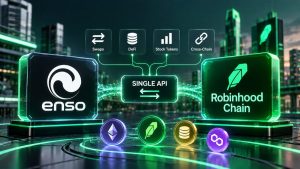
Arcus DEX is a decentralized trading platform that connects cryptocurrency markets to tokenized representations of traditional financial assets. Developed through collaboration between dYdX Labs and Robinhood Chain, the exchange focuses on delivering continuous market access within a self-custody environment. Arcus DEX positions itself as a venue where traders can access cryptocurrencies, stock tokens, commodities, and index exposure from one ecosystem. This multi-asset focus distinguishes the project from many exchanges dedicated exclusively to digital assets.
Expanding Beyond Cryptocurrency Trading
The platform centers on perpetual futures and tokenized market exposure, creating a bridge between blockchain infrastructure and familiar financial instruments. Arcus expands beyond crypto pairs and includes access to equities, commodity products, and index markets. This wider asset selection helps attract participants seeking diversified trading opportunities without leaving the onchain environment. It also strengthens the project’s appeal among users interested in both digital assets and traditional market exposure alike.
A Focus on Continuous Market Access
Another defining characteristic is the emphasis on around-the-clock market availability. Arcus presents itself as a destination for traders who want access to markets without being restricted by conventional trading schedules. Analysts highlight 24/7 access to multiple asset categories, reflecting an ambition to reduce barriers that have historically separated global investors from certain financial opportunities. This accessibility supports a trading experience built for internet-native users operating across different regions, time zones, and market preferences daily.
Positioning Within the Digital Asset Ecosystem
Arcus DEX represents an effort to merge DeFi with recognizable investment markets under a single brand and ecosystem. Market positioning highlights self-custody, multi-asset access, and perpetual trading capabilities rather than limiting users to one category of instruments. The platform targets traders looking for flexibility, continuous availability, and exposure to assets that traditionally exist across separate financial venues. That vision places Arcus among projects seeking stronger connections between blockchain networks and established capital markets globally.
How Does Arcus DEX Work?

Hybrid Exchange Infrastructure
Arcus DEX uses a hybrid exchange model that blends a high-speed off-chain order book with on-chain settlement infrastructure. Orders submitted to the platform are routed through a matching engine that sequences and validates activity before trades are executed. Trade processing takes place separately from final settlement, allowing transactions to move through the exchange without depending on blockchain confirmation speeds for every interaction. This design delivers fast execution while keeping custody of funds outside the control of a centralized intermediary. Validator nodes then recheck exchange activity and confirm that settlement records accurately reflect completed trades before they are committed onchain.
Order Matching and Trade Validation
The matching engine continuously receives buy and sell orders, organizes them through a sequencer, and executes matches using deterministic exchange rules. Every executed transaction is replicated and re-verified by a validator network that checks signatures, confirms margin requirements, and validates trade execution. Multiple verification layers help ensure that completed trades comply with exchange rules before balances are updated. Settlement commitments are then recorded on the network, creating an auditable process that combines trading efficiency with decentralized verification mechanisms.
Margin and Leverage Management
Perpetual trading on Arcus relies on a margin system where collateral supports positions larger than the trader’s deposited capital. Account equity consists of collateral plus unrealized profit or loss from open positions. The platform uses initial margin requirements for opening positions and maintenance margin thresholds for keeping positions active. Cross-margin functionality allows account collateral to support multiple positions simultaneously. Maximum leverage levels vary according to market conditions and risk parameters assigned to each asset.
Liquidation and Risk Controls
Risk management mechanisms constantly monitor open positions against maintenance margin requirements. When account equity falls to or below the required threshold, positions become eligible for liquidation. The liquidation process aims to close risk exposure in an orderly manner and keep losses contained within available collateral. Mark prices guide margin calculations, liquidation checks, and risk assessments across the exchange. Additional controls, including price-band protections for certain markets during closed underlying trading sessions, help reduce sudden cascade events during thinner liquidity conditions.
Arcus DEX Spot Trading

Trading Tokenized Assets Through Spot Markets
Spot trading on Arcus DEX focuses on the direct exchange of tokenized assets rather than leveraged derivatives. When a transaction is completed, the trader receives exposure to the purchased asset at the executed market price. The spot environment is designed primarily for Stock Tokens, allowing users to buy and sell tokenized representations of assets without opening perpetual positions. This approach provides straightforward market exposure and emphasizes asset ownership within the trading account instead of leveraged speculation. Unlike markets built around funding rates and position maintenance, spot transactions center on the immediate exchange of value between participants.
RFQ-Based Liquidity Sourcing
Instead of relying exclusively on a traditional order book, Arcus uses a Request for Quote (RFQ) framework for spot markets. Under this model, traders request pricing for a specific transaction, and professional liquidity providers compete to supply quotes. The platform evaluates available responses and selects the most favorable offer that satisfies the trade requirements. RFQ enables liquidity to be sourced on demand, helping traders access competitive pricing without depending on permanently posted orders. Because makers submit firm quotes linked to current market conditions, pricing can reflect real-time information surrounding the referenced asset.
Smart Routing and Trade Execution
Arcus incorporates a spot router that can draw liquidity from multiple sources when processing transactions. The router evaluates available execution paths and facilitates settlement once the most suitable route is identified. This design enables the platform to aggregate available liquidity rather than limiting trades to a single source. Routing logic seeks efficient execution and allows transactions to reach settlement through a unified framework that supports different liquidity venues. The objective is to streamline access to tokenized assets across an increasingly fragmented onchain trading landscape.
Wrapped Tokens and Asset Delivery
Certain spot transactions may involve wrapped tokens when a native stock token fill is unavailable. A wrapped token represents the corresponding stock token and serves as a temporary delivery mechanism within the Arcus ecosystem. Wrapped assets remain linked to the referenced token and allow market exposure even when direct delivery cannot immediately occur. Makers later settle these positions according to the platform’s settlement model.
Conclusion
Arcus DEX combines multi-asset market access with specialized trading systems built for both perpetual futures and spot transactions. Features such as hybrid exchange architecture, margin-based trading, RFQ liquidity sourcing, smart routing, and wrapped token support contribute to a platform designed to accommodate diverse trading strategies and preferences.