TL;DR
- The Trump administration is weighing joint ventures with private companies to promote dollar-backed stablecoins in international markets.
- The Treasury and State Departments, along with USDC, could be central players in a global strategy to expand the digital dollar.
- Stablecoin issuers already hold nearly $200 billion in U.S. sovereign debt, positioning themselves among the 20 largest holders worldwide.
The Trump administration is studying a plan to actively promote the use of dollar-backed stablecoins outside U.S. borders, with the goal of consolidating the dollar’s status as the global reserve currency.
According to Bloomberg, the Trump administration is considering the formation of joint ventures with private actors to accelerate the adoption of these instruments in international markets. The Treasury and State Departments, along with the U.S. International Development Finance Corporation, would play leading roles in the initiative.
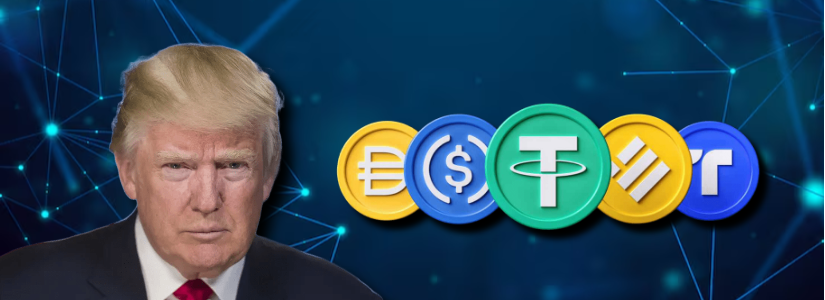
Stablecoins are digital tokens whose value is pegged to an external reference, in this case the dollar. USDT and USDC, the two largest in the world, maintain a 1:1 parity with the U.S. currency and represent nearly 90% of a market with a total capitalization of $292.49 billion. Their use is widespread in trading operations and cross-border payments, making them a natural vehicle for exporting dollar influence.

Trump: Cornering Every Transaction
Treasury Secretary Scott Bessent recently described dollar stablecoins as a tool for supporting currency hegemony, noting that during the current Trump administration, the dollar participates in nearly 90% of global currency transactions.
The GENIUS Act legislation already requires stablecoin issuers to maintain reserves in dollars and short-term Treasury bonds, turning their expansion into a direct source of demand for U.S. sovereign debt. With positions approaching $200 billion, these issuers hold more than the reserves of several nations.
Risks for Emerging Economies
However, the aggressive expansion of dollar-denominated stablecoins does not look the same to the rest of the world. Both the International Monetary Fund and the Bank for International Settlements have repeatedly warned about the risks these instruments pose to emerging economies with current account deficits.
By operating on blockchain networks, stablecoins bypass traditional banking channels, making it harder for central banks to monitor and control capital flows. Widespread adoption in everyday transactions could place significant pressure on local currencies and accelerate capital flight during periods of financial stress.