TL;DR:
- Iran-linked media said Hormuz Safe was launched to issue bitcoin-settled marine insurance policies and liability certificates tied to Strait of Hormuz shipping.
- The platform is framed around cargo protection and targets $10 billion in potential revenue if it captures meaningful market demand.
- Its key challenge is acceptance, because shipowners, ports, insurers and counterparties must decide whether Iran-linked, Bitcoin-settled coverage is recognizable and usable across borders under real operational pressure now.
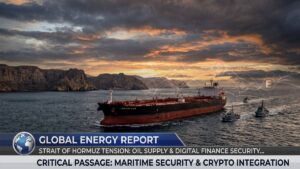
Iran-linked media said a new website called Hormuz Safe has been launched to issue bitcoin-settled marine insurance policies and liability certificates for shipping activity tied to the Strait of Hormuz. The platform is being framed around cargo protection in one of global trade’s most sensitive corridors, with a stated ambition to generate $10 billion if adoption scales. For maritime operators, the launch creates a strange convergence of insurance, geopolitics and crypto settlement, where the payment rail may matter almost as much as the policy itself in risk decisions ahead.
Bitcoin Settlement Enters Maritime Insurance
The platform’s core proposition is direct: issue coverage documentation and liability certificates while allowing settlement through Bitcoin. That changes the normal insurance conversation because premium payment, verification and policy activation may move outside conventional banking channels. In ordinary marine insurance, counterparties care about underwriters, claims handling, legal recognition and payment reliability. Here, the settlement method becomes part of the product’s strategic message, signaling an attempt to create a faster, less bank-dependent layer around cargo movement through a politically charged waterway with heavy commercial stakes.

The $10 billion target is the most eye-catching part, but it also raises the hardest questions. That figure depends on Hormuz Safe capturing meaningful demand from shipowners, cargo interests or intermediaries willing to rely on certificates connected to Iran-linked infrastructure. The market opportunity is understandable because the Strait of Hormuz sits at the center of energy and cargo risk. Still, revenue ambition is not the same as market acceptance, especially when insurers, ports, cargo buyers and financial counterparties must decide whether the coverage is recognizable and usable across borders.
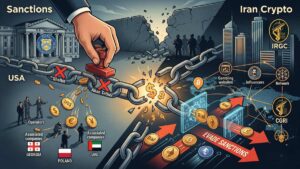
That is where the project becomes more complex than a crypto payments story. Bitcoin settlement may reduce dependence on traditional financial rails, but marine insurance ultimately needs counterparties to trust documentation when a vessel arrives, a claim emerges or a dispute escalates. If global recognition remains limited, the product may serve only a narrower group of users already operating near Iranian or sanctions-sensitive trade channels. For now, Hormuz Safe is best read as an infrastructure test, not just an insurance launch: a bid to attach digital settlement to maritime risk control in a corridor where finance, shipping and state power are inseparable under rising scrutiny from counterparties and regulators worldwide in 2026 now.