TL;DR
- Washington froze $344 million in digital assets after officials linked the wallets to Iranian exchanges and addresses connected with Central Bank of Iran-associated wallets.
- Treasury Secretary Scott Bessent said multiple Iran-tied wallets were being sanctioned, while officials stressed the alleged connection had not been independently corroborated.
- Tether carried out the freeze in coordination with OFAC and law enforcement, underscoring how issuer-level controls can turn stablecoins into an active sanctions-enforcement tool.
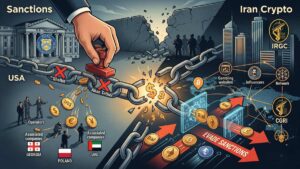
Washington has escalated its pressure campaign against Tehran by freezing $344 million in digital assets tied, according to U.S. officials, to networks connected with Iran. The move matters because it pushes crypto enforcement deeper into the center of sanctions policy, not just financial surveillance at the edges. The action follows a record freeze of USDT across two Tron addresses and reframes what first looked like a major stablecoin compliance event as part of a broader effort to choke off financial channels the administration says are linked to the Iranian regime amid fragile diplomacy this week.
Officials said blockchain analysis revealed material links to the Iranian regime, including confirmed transactions with Iranian exchanges and a chain of intermediary addresses that interacted with wallets associated with the Central Bank of Iran. Treasury Secretary Scott Bessent said the government is sanctioning multiple wallets tied to Iran and will keep targeting financial lifelines connected to the regime. At the same time, the linkage carries an important caveat: the connection between the frozen accounts and Iran was described by officials, but had not been independently corroborated. The announcement turned sanctions pressure into a market event.

Stablecoin controls move to the center of sanctions enforcement
Tether’s role is central to why the case is resonating across crypto. This was not a blockchain-level shutdown, but an issuer-level intervention that instantly immobilized funds at the smart-contract layer. The company said it supported the U.S. government after receiving information from several authorities about activity tied to unlawful conduct, and carried out the freeze in coordination with OFAC and U.S. law enforcement. That detail sharpens a bigger point for the market: stablecoin infrastructure can now serve as a live enforcement rail when governments decide to move quickly. It also renews debate over stablecoin control.
The broader significance is that Washington is no longer treating digital assets as peripheral to sanctions enforcement, but as financial terrain that can be mapped, traced and frozen in real time. The freeze arrives as pressure on Tehran remains high and diplomatic conditions stay fragile, giving the action both symbolic and operational weight. For crypto markets, the message is uncomfortable and clear: when issuers cooperate and regulators align, large pools of tokenized value can be stopped faster than many users still assume. That may reshape how exchanges and holders think about custody, compliance and sovereignty.