TL;DR:
- The IMF says tokenization is reshaping finance, and faster settlement plus automation could transmit stress into mainstream markets more quickly during crises.
- It also warns that shared ledgers can create concentration risks, while failures in code or infrastructure could hit multiple participants simultaneously.
- Stablecoins, tokenized deposits, and central bank money may fragment settlement, making interoperability, oversight, and spillover management more complex as adoption spreads across traditional institutions.
Tokenization is no longer being discussed as a peripheral crypto experiment. The IMF is now framing it as a financial architecture shift with the potential to carry crypto-linked vulnerabilities deeper into mainstream markets. That warning lands at a moment when more institutions are testing blockchain rails for stocks, bonds, and collateral, often selling the technology as a path to faster settlement and lower costs. What the IMF is signaling is that efficiency may come bundled with new channels of instability, especially if market infrastructure starts moving onto shared ledgers faster than safeguards, legal clarity, and crisis-management tools can evolve around it, and cross-border supervision remains unsettled in practice today.
Why the IMF sees a wider spillover risk
The core concern is speed. In tokenized markets, settlement can happen almost instantly, trading can run continuously, and smart contracts can automate actions that once moved through slower institutional processes. Those features may reduce some traditional frictions, but they also remove buffers that have historically given regulators, central banks, and market participants more time to react during periods of stress. The same mechanics that make tokenization attractive in normal conditions could make market stress much harder to contain, because liquidity strains, margin pressures, and operational disruptions may cascade faster across connected platforms.
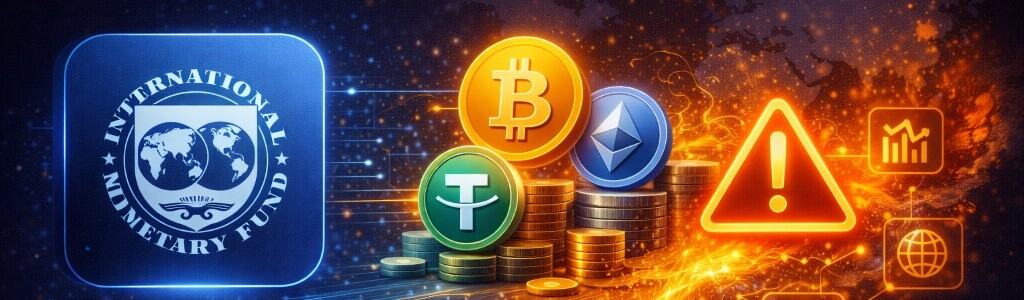
The IMF is also drawing attention to concentration and system design. A shared ledger can replace layers of bilateral links and back-office reconciliation, but that efficiency creates a new critical point of dependence. If the infrastructure or code at the center of a tokenized market fails, the disruption could affect multiple participants at once. Trust is being shifted away from traditional intermediaries and toward common digital infrastructure, which changes where risk sits and raises new questions about governance, resilience, and who can intervene when problems emerge inside programmable markets.
Another layer of concern is fragmentation. The IMF argues that tokenized finance may evolve across different ledgers, standards, and settlement assets, including stablecoins, tokenized deposits, and central bank-backed money. That could complicate interoperability and cross-border oversight just as adoption broadens. The broader message is not that tokenization should stop, but that it is becoming too important to treat lightly, because once traditional finance and tokenized systems become more deeply linked, crypto-originated risks may no longer stay contained within crypto’s own perimeter.