
Decision on Aave’s Emergency Motion Pushed to June Hearing
TL;DR: Aave seeks to unfreeze the $71 million in ETH frozen by Arbitrum following the $293 million hack suffered by KelpDAO. A New York judge requested

TL;DR: Aave seeks to unfreeze the $71 million in ETH frozen by Arbitrum following the $293 million hack suffered by KelpDAO. A New York judge requested

TL;DR: KelpDAO and Aave announced the resumption of operations with rsETH after completing the first steps of the post-exploit recovery plan. The April 18 attack, attributed

TL;DR: A white hat hacker attacked the Renegade protocol and returned nearly $190,000 hours after stealing 27 ERC-20 tokens on Arbitrum. Analytics platform Blockaid detected the

TL;DR: Issuance of a recovery token at a rate of 1 unit for every 1 USD of verified loss for affected users. The recovery fund starts
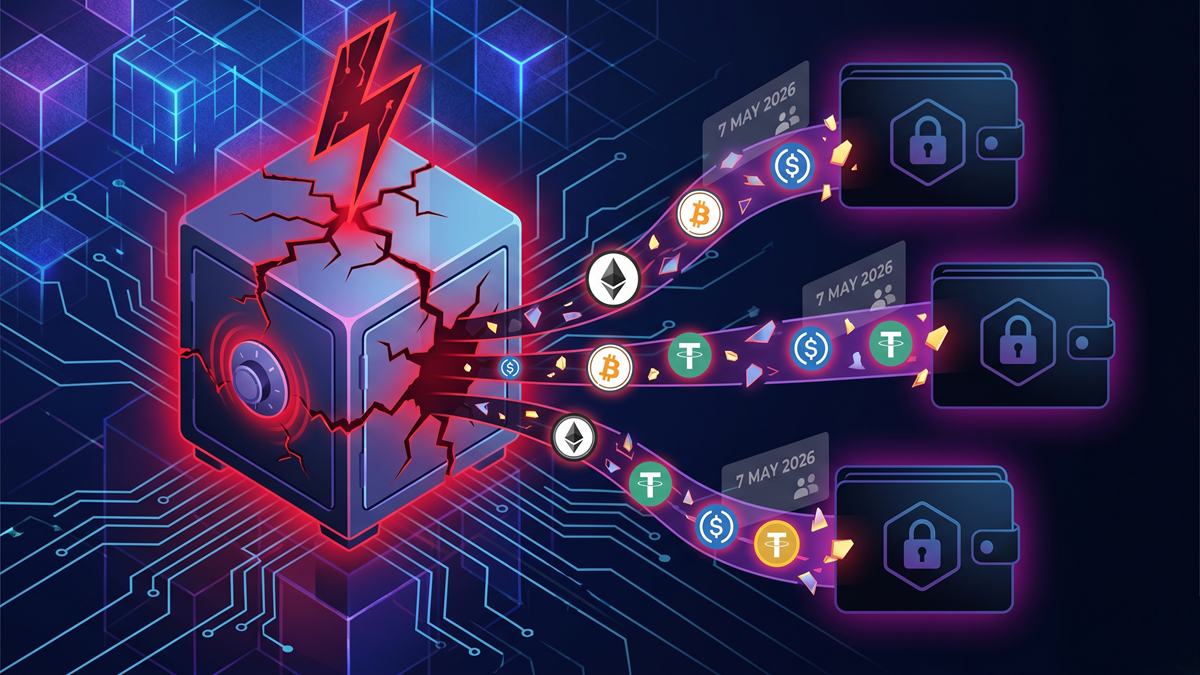
TL;DR: The exploit affected the TrustedVolumes resolver contract on May 7, 2026, with a confirmed loss of $6.7 million. Drained assets include 1,291.16 WETH, 16.93 WBTC,

TL;DR: Aave DAO voted with over 90% approval to liquidate the frozen funds from the KelpDAO exploit worth $292 million. Arbitrum authorized the release of 30,765.67

TL;DR: Adam Back stated at Consensus that recent DeFi exploits reinforce institutional preference for Bitcoin over more experimental ecosystems. He noted that the next adoption wave

TL;DR: Ekubo Protocol lost about $1.4 million in wrapped bitcoin after attackers exploited an access-control weakness linked to approvals. The incident highlights how authorization paths, token
TL;DR: KelpDAO held LayerZero responsible for the April 18 exploit that caused losses of over $300 million. Independent researchers from SEAL 911 confirmed the breach occurred

TL;DR: Drift Protocol was hacked on April 1, 2026, by a North Korea-linked actor, resulting in approximately $295 million in user funds lost. The recovery plan

