TL;DR
- The Philippines has introduced stricter crypto listing standards requiring licensed exchanges to conduct deeper due diligence and continuous monitoring of digital assets.
- At the same time, regulators prohibited privacy-focused cryptocurrencies such as Monero and Zcash from local compliant platforms.
- Despite tighter oversight, the country remains one of the world’s fastest-growing crypto markets, showing that regulation and adoption can continue to develop side by side.
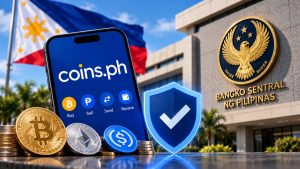
The Philippines is refining its digital asset framework as regulators seek greater oversight of a rapidly expanding crypto sector. The new measures affect how exchanges evaluate, list, and monitor cryptocurrencies while reinforcing compliance requirements across the industry.
The updated rules come as the country ranks among the leading nations for crypto adoption, reflecting the growing role of digital assets in remittances, payments, and financial inclusion across Southeast Asia.
Philippines Tightens Crypto Rules For Digital Asset Listings
The Bangko Sentral ng Pilipinas (BSP) now requires all licensed Virtual Asset Service Providers (VASPs) to establish rigorous due diligence and accreditation procedures before listing tokens on their platforms. Exchanges must also continuously monitor assets after listing and create clear thresholds for suspensions or delistings.
Under the framework, privacy-enhancing cryptocurrencies commonly known as privacy coins can no longer be offered by compliant exchanges. Assets such as Monero and Zcash are affected by the restriction due to their anonymity features and regulatory concerns surrounding anti-money laundering compliance.
Regulators argue that stronger oversight helps reduce fraud risks and improve consumer protection while supporting financial stability. Many industry participants agree that transparent listing standards can strengthen trust in regulated crypto markets, though some continue to defend financial privacy as a core blockchain principle.

Growing Adoption Meets Stronger Regulation
The latest measures extend a broader regulatory push that accelerated during the past year. The Philippine Securities and Exchange Commission previously introduced licensing requirements for crypto firms, including local registration, capital standards, and reporting obligations.
Several offshore exchanges also faced access restrictions as authorities encouraged users to migrate toward licensed platforms. Meanwhile, firms operating in the country may need to satisfy both BSP and SEC requirements depending on the services they provide.
Despite tighter rules, crypto adoption in the Philippines remains strong. According to Chainalysis’ 2025 Global Crypto Adoption Index, the country ranked ninth globally in crypto adoption, supported by high remittance activity and increasing use of blockchain-based financial services.
Looking ahead, the evolving framework may create a more mature and institution-friendly digital asset ecosystem. While the privacy coin ban has sparked debate, clearer rules could encourage broader participation and reinforce the long-term growth of crypto in one of Asia’s most active blockchain markets.