TL;DR
- Optimism proposes using 50% of Superchain revenue for monthly OP buybacks, beginning in February if governance approves the plan on January 22.
- Optimism says the Superchain, including Base, Unichain, Ink, World Chain, Soneium, and OP Mainnet, contributed 5,868 ETH in 12 months to a governed treasury.
- Purchased OP would return to the treasury and could be burned or used as staking rewards, while the rest stays managed by the Foundation.
Optimism is pitching a new way to improve funding discipline by tying tokenholder value to Superchain revenue rather than relying on governance symbolism. In a January 8 post, the Optimism Foundation introduced a proposal to use 50% of incoming Superchain revenue to buy back OP tokens, starting in February if approved. The aim is to align OP with demand across OP Stack chains as activity scales. The core bet is that revenue funded buybacks create persistent token demand, making DAO funding feel less cyclical and more system driven. Governance will still set rules.
How Optimism Targets DAO Funding With OP Token Buybacks
Optimism frames the Superchain as mature infrastructure: it says the OP Stack has become the default choice for builders, with exchanges, enterprises, and institutions standardizing on the Superchain for security, scalability, and economic clarity. In the same post, it cites 61.4% Layer 2 fee market share and says the Superchain processes 13% of all crypto transactions, with that share rising. Against that backdrop, aligning OP with Superchain momentum is the stated objective, so token incentives track real network usage rather than narrative. It says every new chain and transaction expands the buyback base.
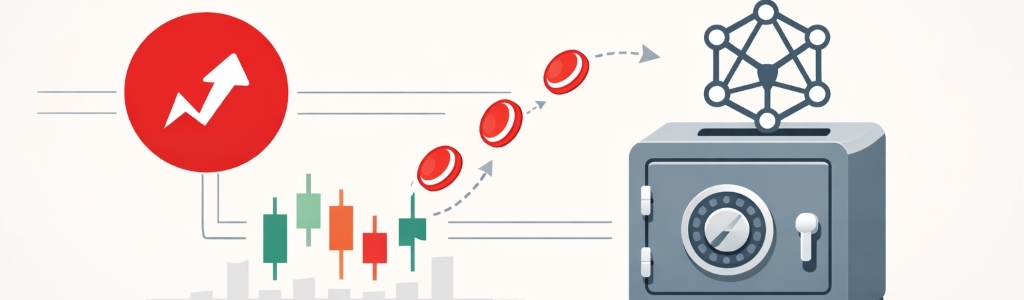
Optimism says it earns revenue from the Superchain, a network of L2 chains built on the OP Stack that includes Base, Unichain, Ink, World Chain, Soneium, OP Mainnet, and more. These chains contribute a portion of sequencer revenue back to Optimism, and the post says that in the past 12 months Optimism collected 5,868 ETH, with 100% dedicated to a treasury overseen by governance. Under the new proposal, 50% of incoming Superchain revenue would fund monthly OP buybacks for the next year, linking growth to demand. Remaining revenue would be available for management.
How it works is clear. The proposal recommends buybacks on a monthly basis, with OP purchased through the program flowing back into the treasury. Optimism says those tokens could later be burned or distributed as staking rewards as the platform evolves, while governance retains oversight over parameters that control the buyback and the treasury. It also says the Foundation would manage ETH revenue not directed to buybacks, in addition to a staking program, enabling treasury management. With a vote set for January 22, February becomes the execution checkpoint if the Collective approves.