TL;DR:
- The total value locked (TVL) in tokenized stocks trading experienced an approximate 60% increase, surpassing the $1.6 billion mark.
- The traded volume of real-world assets (RWA) in decentralized markets accumulated over $821.8 billion during the recent months of 2026.
- The commodities sector experienced a contraction in its total value during the month of May, dropping from $7.8 billion to $7.0 billion.
During the past month, blockchain network activity recorded a notable capital rotation toward tokenized stocks, boosting liquidity in this sector to the detriment of traditional crypto assets. Traders shifted their interest toward these instruments during a period marked by stagnation in the cryptocurrency market.
Gains recorded in traditional equity markets were the driving force behind this movement, especially in companies linked to the development of AI components. Market data indicates that digital versions of these assets are currently positioning themselves as a viable alternative to standard tokens in decentralized finance protocols.
The evolution of this segment shows a significant structural shift compared to the scenario recorded in May 2025, when the value of these instruments barely reached $30 million and constituted an experimental asset class. A year later, these financial products have integrated into daily trading operations and have begun to be used as collateral in DeFi lending platforms.
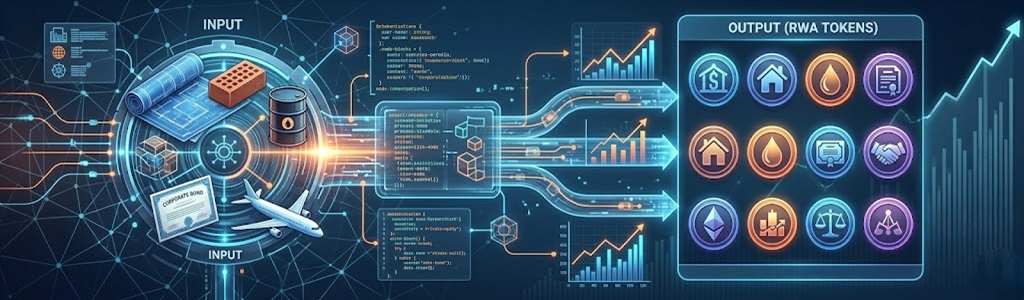
Expansion of the RWA Sector and Liquidity Challenges
Recently, this sector has experienced growth, actually managing to displace tokenized commodities, which had positioned themselves as one of the strongest trends in previous months. Statistical data from the RWA.xyz platform indicates that the value of commodities shrank by $800 million during May 2026.
The tokenized stocks market could reach a value of $10 billion by the end of 2026. This projection is backed by the growing demand for real-world assets (RWA), a phenomenon that also drove the volume of perpetual futures contracts in decentralized environments.
Despite this growth, the ecosystem still faces challenges related to liquidity distribution. TokenTerminal statistics reveal that the RWA sector consolidated a locked value exceeding $42 billion when combining all existing networks and asset classes.
The Ethereum network maintains the leadership regarding the total amount of assets and stablecoins issued on its infrastructure. However, Dune Analytics dashboards reveal that the BNB Chain network positions itself as the most liquid environment for trading these derivative financial products.
The adoption of these tools benefits from the implementation of technical proposals such as Hyperliquid’s HIP-3 update, which facilitates the creation of custom markets. User interest is mainly concentrated on price speculation through derivatives, rather than actual ownership of company shares.
The sector still experiences limitations due to the lack of a clear global regulatory framework and uncertainty over asset ownership structures. Market participants’ confidence was recently affected by restrictive corporate measures, such as the limitations imposed by the firm Anthropic on its pre-IPO sales.
Crypto-native protocols continue to lead the issuance and trading of these securities on networks like Solana and Arbitrum. The next relevant milestone to assess the sustainability of this trend will be the publication of quarterly earnings reports by major RWA infrastructure providers in mid-year.