

After Bitcoin recently traded above $101,000, interest in higher-volatility segments of the crypto market, including meme tokens, has increased. Activity in this corner of the market can change quickly, and price moves are often driven by social media attention as much as fundamentals.
One project drawing attention in this category is Troller Cat ($TCAT). According to the project’s website, it began an early-stage token sale on May 2, 2025, and uses a staged pricing model. The project states it has raised more than $80,000 so far. The figures and timelines below are based on project materials and may change.
1. Troller Cat ($TCAT)
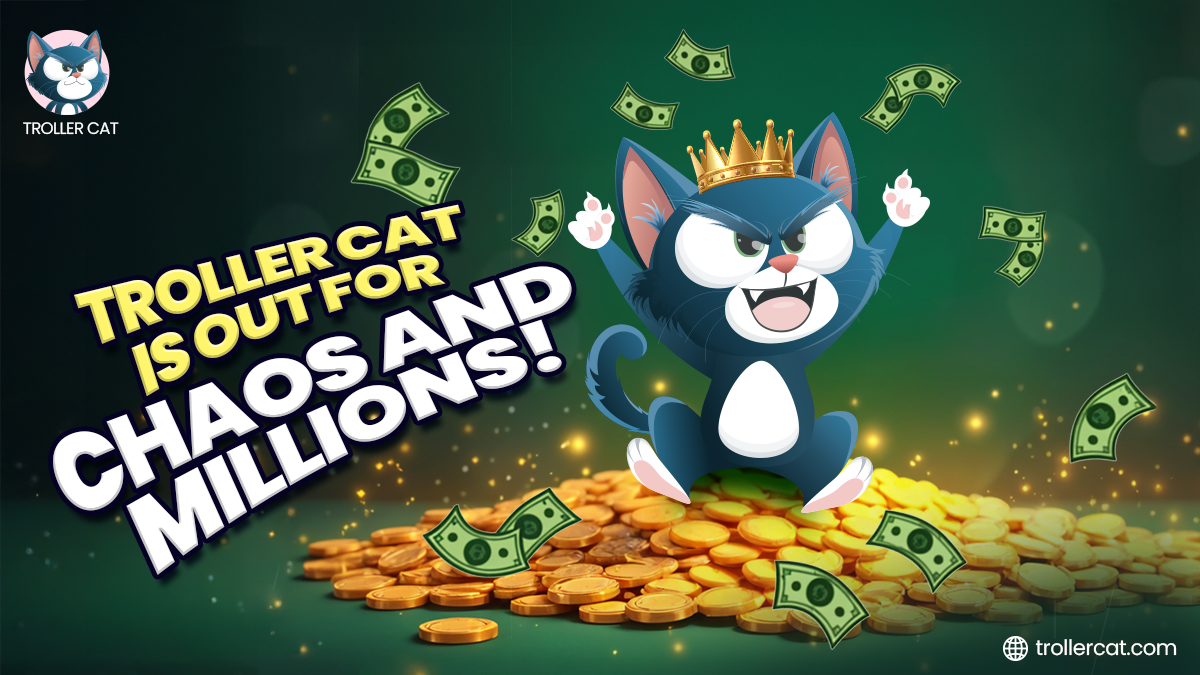
Troller Cat is presented by its creators as a meme token with additional features, including a planned game hub and a staking program. As with many early-stage tokens, the main risks include limited operating history, smart-contract risk, and the possibility that demand and liquidity do not develop as anticipated.

In its published sale schedule, the project lists a Stage 3 price of $0.0000072 and a higher price for a later stage ($0.00000864). The project also references a prospective launch price of $0.0005309; any such figure should be treated as a target rather than a guarantee, and market pricing after listing can differ materially.
The project also describes a staking program with a promoted yield of 69% APY starting at Stage 9. Staking rates are typically variable and depend on program design, token emissions, and ongoing participation; yields are not assured and can change.
Troller Cat’s materials further describe a “Game Center” that, according to the team, uses advertising revenue for buybacks and token burns. Buyback-and-burn mechanisms can affect supply, but outcomes depend on actual revenue, execution, and market conditions.
Why it is notable: The project is marketed as combining meme branding with planned product features and supply-management mechanics, as described in project communications. For reference, the project’s website is linked below.
2. Goatseus Maximus ($GOAT)
$GOAT is positioned as a community-driven meme token built on BNB Chain, leaning heavily into humor, social content, and collectible-style campaigns.
Like many meme assets, its market activity may be highly sensitive to online attention, sentiment shifts, and liquidity conditions. That can translate into sharp gains or losses over short timeframes.
Why it is notable: The project emphasizes community engagement and themed digital collectibles, which can drive visibility but does not reduce typical meme-token risk.
3. Housecoin ($HOUSE)
Housecoin uses satire around real estate themes as its core identity. The project describes community activities such as themed “auctions” and governance-style features tied to token ownership.
Why it is notable: Its branding is built around a clear meme theme, which can help community formation, although that does not indicate long-term sustainability.
4. Notcoin ($NOT)
Notcoin’s branding leans into irony and social virality. The project has been associated with Telegram-based activity and community campaigns that help keep engagement high.
Why it is notable: Community distribution and social channels can play an outsized role in meme-token participation, and Notcoin is frequently discussed in those contexts.
5. Bone ShibaSwap ($BONE)
$BONE is tied to the broader Shiba Inu ecosystem and is described by that ecosystem as supporting governance and certain fee mechanics.
Why it is notable: As an ecosystem token, it may be influenced by developments and sentiment related to Shiba Inu and ShibaSwap.
6. Dogecoin ($DOGE)
Dogecoin remains one of the best-known meme tokens and is often treated by markets as a bellwether for the category.
Why it is notable: DOGE has a long trading history and broad exchange availability compared with many newer meme tokens.
7. Moo Deng ($MOODENG)
Moo Deng is presented as a meme token with gamified community features and NFT-style campaigns.
Why it is notable: Projects that combine meme branding with ongoing community activities sometimes maintain attention longer than one-off launches, though volatility remains a key factor.
8. New XAI Gork ($GORK)
$GORK is marketed around automated, AI-themed meme content and social interactions.
Why it is notable: AI branding and automated social content are increasingly common in crypto marketing; such claims are difficult to evaluate without independent verification.
9. Comedian ($BAN)
$BAN uses comedy contests and community participation as its central concept, with the project describing recurring meme-focused events.
Why it is notable: Community-led events can drive engagement, but token pricing still depends on broader market conditions and liquidity.
10. Test ($TST)
$TST is described as a token that gained visibility through joke and “test” branding before evolving into a more structured project narrative.
Why it is notable: Viral attention can be a major driver in meme-token markets, but it can also fade quickly.
Conclusion
This article highlighted ten meme tokens that have been discussed frequently by online communities in May 2025: Troller Cat, Goatseus Maximus, Housecoin, Notcoin, Bone ShibaSwap, Dogecoin, Moo Deng, New XAI Gork, Comedian, and Test.
Meme tokens can move quickly based on narratives and liquidity. Readers should treat project-reported sale schedules, staking rates, and feature roadmaps as unverified unless confirmed through independent sources.
For More Information:
Website (project): https://www.trollercat.com/
X (project): https://x.com/trollercat_
FAQs
- What factors can coincide with meme-token rallies?
Periods of higher market activity in large-cap assets (such as Bitcoin) can coincide with increased trading interest in higher-risk segments, including meme tokens. These moves are not predictive and can reverse quickly.
- What pricing has the Troller Cat project published for its staged token sale?
Project materials list a Stage 3 price of $0.0000072 and a later stage price of $0.00000864, and also reference a prospective launch price of $0.0005309. These are project-stated figures and do not guarantee future market prices or returns.
- What makes $TCAT “deflationary,” according to the project?
The team says its game hub would use advertising revenue for token buybacks and burns. Whether that meaningfully affects supply depends on implementation and revenue.
- Is staking described by the project?
The project describes a staking program beginning at Stage 9 with a promoted rate of 69% APY. Staking yields can change and are not guaranteed.
- Are marketing incentives mentioned?
The project references referral-related marketing incentives in its materials. Readers should treat such incentives as promotional and consider associated risks and eligibility requirements.
Glossary of Terms
- Token sale – A fundraising event where a project offers tokens to participants before broader market availability.
- Deflationary Token – A crypto asset designed to reduce circulating supply over time, often via burns or other mechanisms.
- APY – Annual Percentage Yield; a quoted annualized rate used to describe staking or lending returns, which may vary and are not guaranteed.
- Staking – Locking tokens in a protocol or program that may provide rewards, typically in exchange for participation or other conditions.
- DEX – Decentralized Exchange; allows crypto trading without a central intermediary.
- Marketing incentive – A promotional benefit (such as a referral program) offered by a project under certain conditions.
- Utility – Functionality a token is intended to have beyond trading, as described by a project.
This article is for informational purposes only and does not constitute financial or investment advice. This outlet is not affiliated with the project mentioned.
Press releases or guest posts published by Crypto Economy may be submitted by companies or their representatives. Crypto Economy does not provide investment advice and encourages readers to do their own research before making any financial decisions.

