TL;DR:
- Senate temporary amendment would bar the Fed from issuing a U.S. CBDC until Dec. 31, 2030, adding a section to the Federal Reserve Act.
- It blocks Fed entities from creating a CBDC directly or via intermediaries, defining it as a dollar asset, Fed liability, widely available to the public.
- An exception preserves open, permissionless, private dollar assets with cash privacy; the package cleared cloture and still needs passage and enactment.
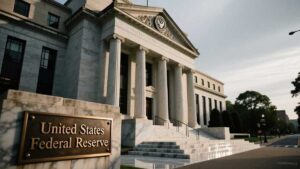
A U.S. Senate housing package has picked up an unexpected rider: language that would block the Federal Reserve from issuing a central bank digital currency until Dec. 31, 2030. The provision sits inside a Senate substitute amendment to H.R. 6644, the “21st Century ROAD to Housing Act,” and would add a new section to the Federal Reserve Act. In effect, a housing bill is now being used as a digital-dollar circuit breaker, turning a macro policy debate into an operational constraint for the central bank. The draft frames the halt as temporary, explicit, and enforceable.
What the draft ban covers
Under the text, the ban is written as a prohibition on issuance, stating that neither the Fed’s Board of Governors nor any Federal Reserve Bank may “issue or create” a CBDC during the covered period. It is designed to close workarounds: the restriction applies whether the Fed acts directly or indirectly through a financial institution or other intermediary. The bill also targets lookalikes, barring any “substantially similar” asset. To reduce ambiguity, it defines a CBDC as a dollar-denominated asset treated as U.S. currency, a direct Fed liability, and widely available to the public in practice.
The carveouts are as notable as the restriction. The draft clarifies that the freeze does not apply to open, permissionless, private dollar assets, provided they fully preserve the privacy protections associated with U.S. coins and physical cash. That language draws a line between a retail CBDC issued as a Fed liability and privately issued digital dollars that do not create a new central-bank instrument. The prohibition is also time-boxed: it would sunset on Dec. 31, 2030 unless Congress extends or revises it, and after that date the statutory block would lapse under the current draft.
Procedurally, the housing package has moved, with the Senate advancing it on a cloture vote that signaled appetite to debate the bill. The CBDC language is embedded as a standalone section, effectively reviving prior efforts to block a Fed-issued digital dollar by attaching them to a broader vehicle. From here, the clock runs through committee and floor choreography, because the bill must clear additional steps before final passage. If both chambers approve and it is signed into law, the provision would amend the Federal Reserve Act and take effect on the timeline in the text.