

Meme-coin launches and community-driven tokens continue to attract attention in 2025, alongside broader crypto-market volatility. This article reviews several projects that have been discussed by traders and online communities, and summarizes project-reported features where available.
In recent trading, Bitcoin has been volatile and has been reported as moving above $111,000 at points, coinciding with renewed interest in a range of altcoins. Among meme coins, names frequently mentioned include AI Companions ($AIC), Neiro ($NEIRO), Mog Coin ($MOG), Mubarak ($MUBARAK), Coq Inu ($COQ), Notcoin ($NOT), Pepe ($PEPE), Popcat ($POPCAT), and LOFI ($LOFI). Separately, one newer project, Troller Cat ($TCAT), is conducting a multi-stage token sale, according to project materials.
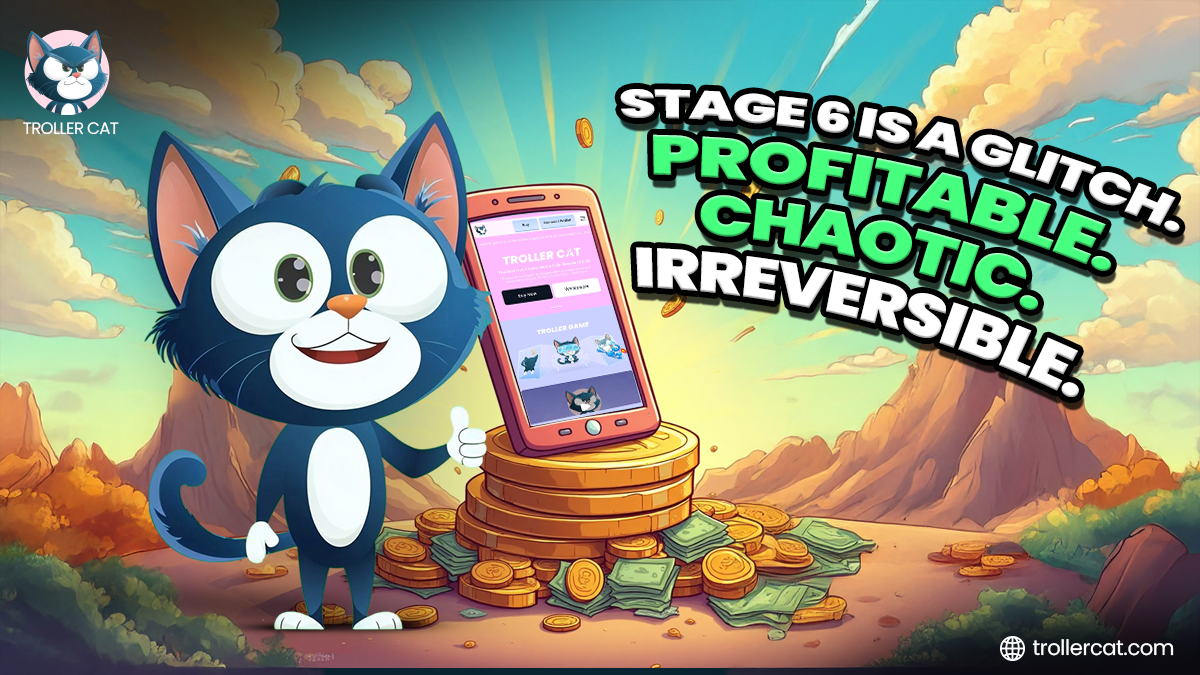
Project communications say the Troller Cat token sale began on May 2, 2025, and is structured in multiple stages with different prices over time. Details such as pricing, funds raised, and holder counts are project-reported figures and may change, and they should not be interpreted as a forecast of future market performance.
The projects below are described at a high level for context. Availability, liquidity, and risk can vary widely across tokens, particularly for early-stage launches.
1. Troller Cat ($TCAT)
Troller Cat is an Ethereum-based meme token that, according to the project, uses a multi-stage token-sale format themed around well-known internet and historical pranks. The project describes its tokenomics, marketing, and distribution approach as part of this narrative.

The project has also described staking rewards and marketing incentives (including referrals). Such incentives are not guarantees of outcomes, and the terms, availability, and associated risks can vary based on the project’s implementation and market conditions.
Game Center: Advertising-funded buybacks and burns (project description)
Troller Cat’s documentation describes a “Game Center” that includes advertising placements. The project says advertising revenue may be used for market purchases of $TCAT and token burns.
Mechanisms such as buybacks and burns can affect token supply, but they do not ensure a particular price result and may not operate as described if conditions change.
Why it is being discussed: The project’s token sale structure and the proposed game-and-advertising model have been highlighted by its community, although independent verification of claims can be limited for early-stage tokens.
2. AI Companions ($AIC)
AI Companions presents itself as a product that combines digital avatars with crypto features. Project descriptions reference user-created AI characters and in-app utilities such as notifications, content generation, and other tools.
Why it is being discussed: AI-themed crypto projects have remained a popular narrative, and this token has been mentioned in that context.
3. Neiro ($NEIRO)
Neiro markets itself around wellness and community engagement, with materials referencing features such as check-ins and mood tracking. Any wellness-related tools should not be treated as medical guidance.
Why it is being discussed: Health- and wellness-themed crypto branding is less common in the meme-coin segment, which has drawn attention from some online communities.
4. Mog Coin ($MOG)
Mog Coin is a meme token built around intentionally simple internet humor and community posting. Some community members note that public-facing team details appear limited.
Why it is being discussed: As with many meme coins, discussion tends to focus on community activity and cultural relevance rather than product utility.
5. Mubarak ($MUBARAK)
$MUBARAK uses satire and viral-media references in its branding. Project descriptions mention token distribution mechanics tied to wallet activity.
Why it is being discussed: The project’s novelty and community-led marketing have been shared across social platforms.
6. Coq Inu ($COQ)
Coq Inu is another meme token with animal-based branding. Promotional materials mention NFTs and community raffles, which may include digital or physical items, depending on the campaign.
Why it is being discussed: Community promotion and meme-driven branding have played a large role in its visibility.
7. Notcoin ($NOT)
Notcoin became known through a Telegram-based clicker game that spread widely on social channels. Participation models and reward programs can change over time and may differ by region or platform rules.
Why it is being discussed: The project is often cited as an example of crypto distribution through simple, mass-market mini-games.
8. Pepe ($PEPE)
$PEPE remains one of the most recognizable meme tokens. Community activity frequently centers on social-media campaigns and themed content.
Why it is being discussed: Longstanding brand recognition and recurring community-driven promotion continue to keep it in the public conversation.
9. Popcat ($POPCAT)
Popcat is themed around the popular cat meme and has referenced gamified crypto features in community materials, including token incentives and other campaign mechanics.
Why it is being discussed: Meme recognition and ongoing feature announcements have helped sustain attention.
10. LOFI ($LOFI)
$LOFI is branded around streaming and lofi-style music culture. Project materials reference content distribution and token-related incentives tied to engagement.
Why it is being discussed: The project’s niche theme differentiates it from more typical meme-token branding.
Conclusion
Meme coins can move quickly on sentiment, liquidity, and platform-specific trends, and information quality can vary significantly across projects. Readers should review primary documentation, token distribution details, and relevant risks before making decisions involving any token.
For More Information:
Project website (for reference): https://www.trollercat.com/
Glossary of Terms
- Token sale: A distribution or fundraising event in which a project offers tokens, sometimes before broader market trading.
- ROI: Return on investment, a way to describe performance relative to cost. It is not a guarantee and can be negative.
- GameFi: A broad term for crypto projects that incorporate games and token-based mechanics.
- Staking: Locking or delegating tokens in a protocol or contract that may provide rewards, subject to terms and risk.
- Buyback and Burn: A mechanism where a project purchases tokens and permanently removes them from circulation, which may reduce supply.
- Deflationary Token: A token model in which the circulating or total supply is designed to decrease over time.
- NFT Loot Box: A randomized NFT-based item or reward mechanic; terms and odds (if any) are set by the project.
This article is for informational purposes only and does not constitute financial or investment advice. This outlet is not affiliated with the project mentioned. Press releases or guest posts published by Crypto Economy have been submitted by companies or their representatives. Crypto Economy is not part of any of these agencies, projects or platforms.

