TL;DR
- Strategic Exit: Christopher Wood eliminates his 10% Bitcoin allocation after four years, citing existential security risks.
- Return to Gold: The Jefferies strategist replaces his digital assets with physical gold and mining stocks as a safe haven.
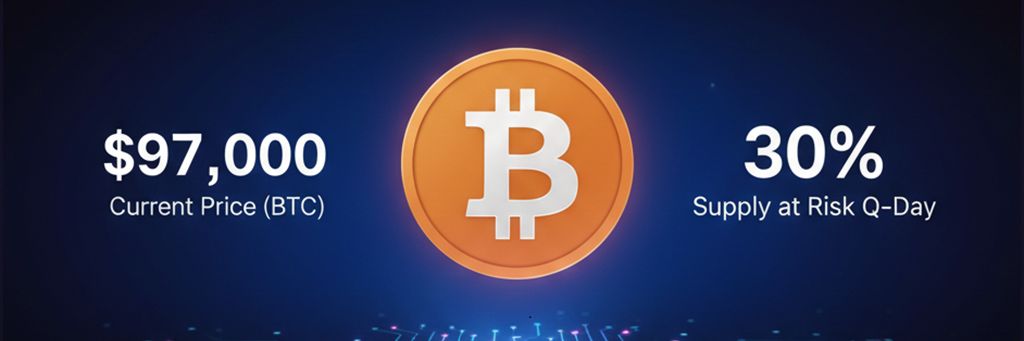
- Technical Debate: Experts estimate that 30% of the Bitcoin supply is vulnerable to brute-force attacks by quantum computers.
The decision by Christopher Wood, Global Head of Equity Strategy at Jefferies, has left the digital asset sector on edge. The renowned analyst has completely removed his exposure to the pioneer cryptocurrency from his model portfolio.
This drastic move responds to the fear that quantum computing and Bitcoin may not be able to coexist without compromising the protocol’s cryptographic security. The analyst warns that breakthroughs in this technology could arrive much sooner than the community anticipates.
Christopher Wood asserts that any vulnerability in the network’s foundation undermines the thesis of Bitcoin as a long-term store of value. For this reason, he preferred to rotate his capital into gold, an asset historically proven in the face of uncertainty.
The security dilemma in the face of advancing quantum computers
The debate over quantum computing and Bitcoin remains very much alive. Prominent figures in the ecosystem, such as Nic Carter and Adam Back, hold divided opinions on the matter. Some demand an urgent migration to quantum-resistant signatures, while others call for calm to avoid market panic.
Coinbase researchers point out that approximately 6.51 million BTC reside in addresses vulnerable to long-range attacks. This is because the public keys of these legacy wallets are already visible on the blockchain.
While the price remains strong near $97,000, “Q-Day” looms on the horizon. The relationship between quantum computing and Bitcoin will define whether the asset manages to consolidate itself as digital gold or succumbs to technological evolution.
In short, the resilience of ETF investors will be put to the test while the industry decides how to implement quantum defenses. For now, major capital players like Jefferies seem to prefer the tangible security of precious metals over technical uncertainty.