

Meme coins and viral internet trends often move quickly, with attention shifting in short cycles. In May 2025, meme-themed tokens continued to attract interest across social platforms, alongside broader discussion of crypto market volatility.
Bitcoin trading above $101,000 drew renewed attention to the broader crypto market. Market moves of this magnitude can coincide with increased activity in higher-volatility assets, including meme coins.
One project discussed in recent promotional materials is Troller Cat ($TCAT), which the team describes as having started a token sale on May 2, 2025. The project materials also reference staged pricing, staking features and a planned gaming-focused ecosystem. As with any early-stage token, details and outcomes remain uncertain and should be independently verified.
1. Troller Cat ($TCAT)
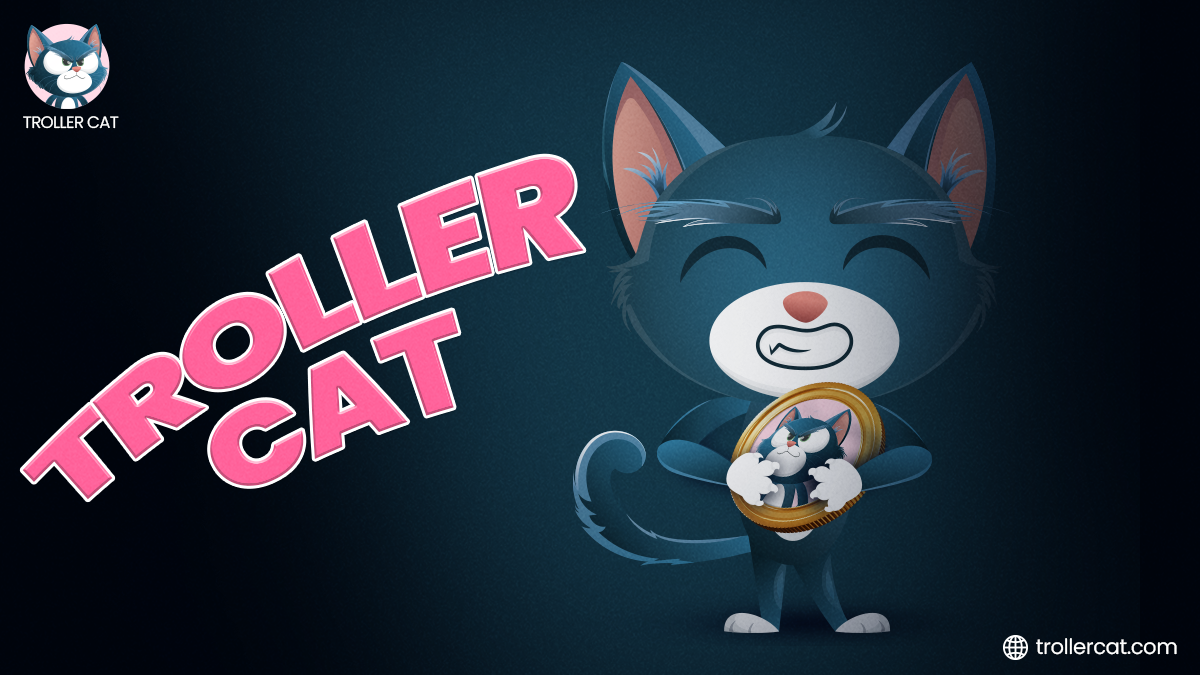
Troller Cat is presented as a troll-themed meme token with a storyline-led marketing approach and token-sale stages. According to the project, it is launched on Ethereum and uses multiple sale stages tied to a “Walk of Fame” theme.

The team’s materials describe a multi-stage token sale with changing prices between stages. Project documentation also mentions a staking program with an advertised APY, though staking returns are not guaranteed and can change based on contract terms, emissions and other factors.
The project also describes a planned Play-to-Earn “Game Center” and deflationary mechanics such as buybacks and token burns funded by advertising revenue. The team states that the project has completed an audit and KYC process; readers should treat such claims as project-reported unless verified through independent sources.
Why it is being discussed: It has been marketed as an early-stage meme token with additional product concepts beyond branding. As with other newly launched or early-stage tokens, risks can be high, and publicly available information may be limited.
2. Popcat ($POPCAT)
Popcat is a meme token inspired by the “pop” sound internet meme. The project is commonly discussed as a community-driven token associated with meme culture rather than a traditional product roadmap.
Launched on Solana, Popcat has been associated with social-media attention and rapid sentiment shifts that are typical of meme tokens. Public discussion has included references to future additions such as a mini-game and an NFT marketplace, although timelines and delivery are uncertain.
Why it is being discussed: It remains a recognizable meme brand within Solana’s token ecosystem, where social engagement can play an outsized role in price movements.
3. Pepe ($PEPE)
$PEPE is a meme token built around the Pepe character, and it has remained one of the most widely recognized meme-related brands in crypto culture.
Built on Ethereum, PEPE has seen significant volatility since launch, which is common for meme tokens with largely sentiment-driven demand. Mentions of listings, milestones and ecosystem developments should be understood in the context of rapidly changing market conditions.
In 2025, community discussion has included references to roadmap items such as staking, NFT integrations and partnerships, though availability and implementation can vary.
Why it is being discussed: It is one of the more established meme tokens by brand recognition, but it remains a high-risk asset class due to meme-coin volatility.
4. Bonk ($BONK)
Bonk is a Solana-based meme token that gained early attention through a community airdrop. It has been used in various Solana ecosystem initiatives and has frequently been cited as a notable Solana-native meme asset.
The project has been associated with integrations into apps and games on Solana, though the scope of utility can change over time. References to staking and DeFi integrations should be evaluated against current, verifiable documentation.
Why it is being discussed: It is commonly mentioned as an example of a meme token that became part of the Solana ecosystem’s broader community narrative.
Conclusion
This article has referenced four meme tokens that have been discussed in market coverage and online communities: Troller Cat, Popcat, Pepe and Bonk. Meme coins can experience sharp price swings and rapid changes in liquidity and attention.
This article is for informational purposes only and does not constitute financial or investment advice.
This outlet is not affiliated with the project mentioned.

For More Information:
Project website (for reference): https://www.trollercat.com/
X (for reference): https://x.com/trollercat_
FAQs
- What can influence short-term meme coin activity?
Broader market moves (including large Bitcoin price changes), shifting social-media attention and liquidity conditions can all affect meme tokens. These assets can be especially volatile.
- What does “Stage 3” refer to in Troller Cat’s materials?
The project describes its token sale as being divided into numbered stages with different pricing. Terms, timing and availability are set by the project and may change.
- How should staking rates (APY) be interpreted?
APY figures are typically advertised by projects based on specific assumptions and can change over time. Staking returns are not guaranteed and may involve smart-contract and market risks.
- Is there a minimum participation amount mentioned by the project?
The project’s materials mention no minimum amount for participation, and also reference a threshold related to referral features. Readers should review the project documentation directly for current terms.
- What does “deflationary” mean in this context?
Projects may describe deflationary mechanics such as token burns or buybacks intended to reduce supply. The impact of these mechanisms depends on execution and market conditions.
Glossary of Terms
- Token sale – A fundraising event where tokens are offered to participants before broader market availability.
- Staking – Locking tokens in a contract to earn rewards, subject to protocol rules and risks.
- Deflationary Token – A token designed with mechanisms that may reduce supply over time, such as burns.
- APY (Annual Percentage Yield) – An annualized rate often used to describe staking or yield rewards; it may change and is not guaranteed.
- Play-to-Earn – A gaming model where users may receive crypto assets for participation, depending on the game’s rules.
- Referral Code – A code used in some marketing programs that can provide benefits to participants, based on the project’s terms.
- Ethereum Blockchain – A smart-contract-enabled blockchain supporting decentralized apps and tokens.
Press releases or guest posts published by Crypto Economy have been submitted by companies or their representatives. Crypto Economy is not part of any of these agencies, projects or platforms. At Crypto Economy we do not give investment advice, if you are going to invest in any of the promoted projects you should do your own research.

