The crypto market continues to generate activity across different projects and sectors. Each cycle sees a subset of protocols receive outsized attention from traders and observers. Right now, four projects are drawing notable attention for different reasons: Stargate, Hyperliquid, Solana, and Stellar. Each project emphasizes different use cases — from on-chain AI access to trading infrastructure and payment rails — and observers point to project-reported metrics and ecosystem developments as reasons for monitoring them. The summary below presents reported claims and developments and attributes them where appropriate.
1. Stargate: An AI platform aiming to offer user participation
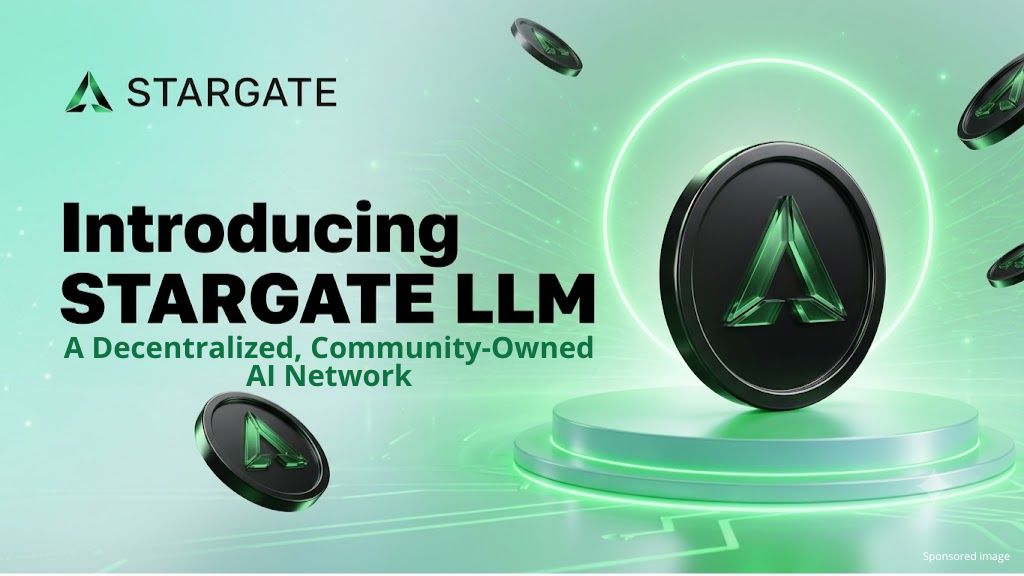
AI development has created substantial private-market valuations for several companies, and many observers note that most end users do not receive a direct financial stake in those businesses. Stargate positions itself as an AI platform that runs its own large language model and offers wallet-based access rather than identity-linked accounts, according to project materials. The project states it intends to provide community participation through staking and usage rewards tied to platform growth.
Stargate states that it provides private, wallet-based access to its model and that its token and reward mechanics are structured to involve the community, according to its documentation. Some analysts and commentators have highlighted Stargate as notable in the current AI cycle.
Project materials report an early-stage token sale price of $0.0005 and refer to a reported $0.025 launch price; these figures are reported by the project and are not independently verified. The project also reports that 96% of a fixed supply is allocated to the community and the token sale, and that team allocations are subject to a 24-month lockup. Any future price movements are uncertain; readers should treat reported token-sale terms and projected outcomes as unverified.
2. Hyperliquid (HYPE): An exchange model that emphasizes revenue allocation
Hyperliquid operates an on-chain perpetuals exchange and reports operating its own Layer 1 blockchain with on-chain order books. The token HYPE reached a reported peak price before a subsequent pullback. Protocol-reported cumulative revenue has exceeded $1.027 billion, with an annualized run-rate figure reported near $840 million; these figures are reported by the protocol and are not independently verified. The project reports that a large share of trading fees is allocated to ecosystem support and token buybacks.
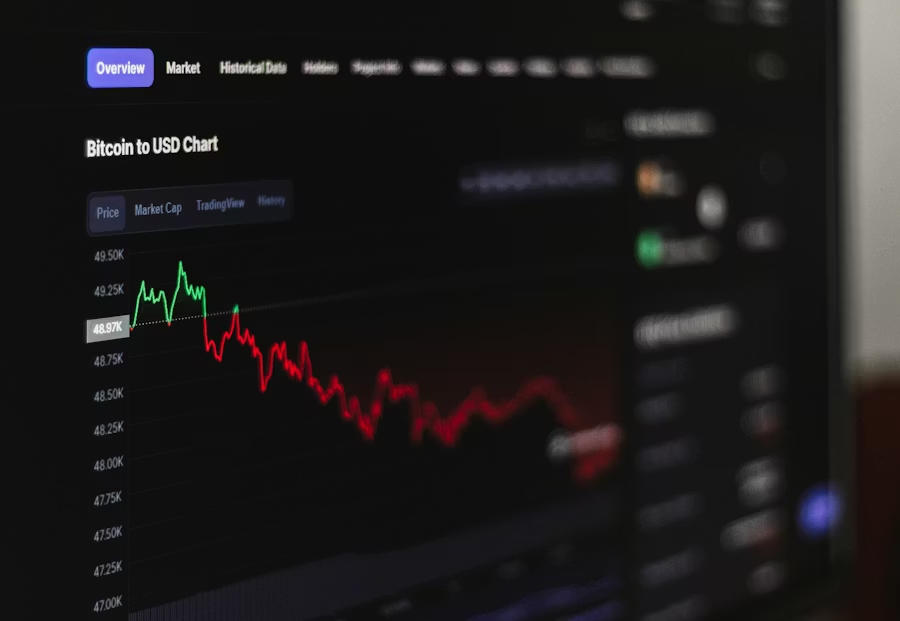
Some market participants cite the revenue and buyback model as a reason they are monitoring HYPE. Independent third-party projections, such as an estimate from Multicoin Capital, should be treated as speculative and not guarantees of future performance.
3. Solana (SOL): Institutional inflows and tokenized assets activity
Solana traded in the low $70s during the period covered by reports, and sources indicate that SOL-related ETFs recorded significant inflows over several weeks. An amended filing from Morgan Stanley listed a 0.14% fee for one staking product. Reports also indicate that tokenized real-world assets on Solana have reached material cumulative volume, and that the network has seen notable activity in tokenized equity trading during a recent period. Payment and staking partnerships and validator announcements have also been reported.
These institutional developments have been cited by observers as contributing to Solana’s profile with institutions and large holders. However, these developments do not necessarily entitle token holders to direct shares of platform revenue; reported ETF and tokenization activity primarily reflects adoption and usage by market participants.
4. Stellar (XLM): Institutional integrations with a longer timeline
Stellar traded near reported levels around $0.17 to $0.18 during the period covered by reports, below its 2018 all-time high. The DTCC announced it will connect its tokenization platform to Stellar, targeting live assets in the first half of 2027, according to the announcement. Project-reported tokenized real-world asset volume on Stellar reached $2.83 billion, and reported stablecoin payment volume reached $5.5 billion. Some regulators have classified certain digital assets and related activities; observers should consult primary legal sources for definitive status.

These announcements and integrations are cited as institutional endorsements, but the timing of any material price impact is uncertain and may be multi-year. The project’s token mechanics do not necessarily translate settlement volume into reduced circulating supply; readers should treat this as a distinct exposure profile that depends on long-term institutional adoption.
Key insights
Hyperliquid, Solana, and Stellar have all reported developments this cycle that market participants point to: protocol-reported revenue and buybacks, reported ETF inflows, and institutional partnerships and integrations. These developments may influence network adoption and market interest, but project- or protocol-reported metrics and third-party projections are not guarantees of future returns.
The Stargate project reports that it aims to offer community participation through a token sale, wallet-based access, and staking or usage rewards tied to platform growth; these are project-reported objectives and have not been independently verified. Readers interested in these or any other crypto projects should conduct independent research, review primary documentation, and consider the risks involved before making any financial decisions.
This article contains information about a cryptocurrency presale. Crypto Economy is not associated with the project. As with any initiative within the crypto ecosystem, we encourage users to do their own research before participating, carefully considering both the potential and the risks involved. This content is for informational purposes only and does not constitute investment advice.