
Institutional engagement with digital assets has entered a more cautious phase. Ethereum exchange-traded funds, which previously attracted steady capital inflows, are now seeing reduced momentum as global markets face heightened uncertainty. Rather than signaling a loss of confidence, this shift reflects a broader move toward capital preservation as risk tolerance tightens across asset classes.
With volatility affecting equities, bonds, and cryptocurrencies alike, market participants are reassessing exposure. The central question now is how institutional capital is reallocating in a more defensive environment.

Ethereum ETF Activity Reflects a Risk-Off Market
Ethereum has come under renewed pressure as macroeconomic uncertainty drives investors toward lower-risk positioning. ETH prices softened following a broader risk-off move that coincided with slower inflows into Ethereum-linked ETFs. After several weeks of consolidation, the market reaction highlighted Ethereum’s sensitivity to shifts in sentiment and leverage.
Rising bond yields and uncertainty around future interest rate decisions have weighed on risk assets overall. Ethereum, which historically shows higher volatility than Bitcoin, moved more sharply during the pullback. Short-term support levels were tested, triggering liquidations in derivatives markets as leveraged positions unwound.
ETF data further reflected this cautious tone. Recent Ethereum-related products recorded mixed flows, with modest inflows into newer vehicles offset by outflows from established funds. This divergence suggests institutions are prioritizing balance-sheet protection rather than expanding exposure during uncertain conditions.
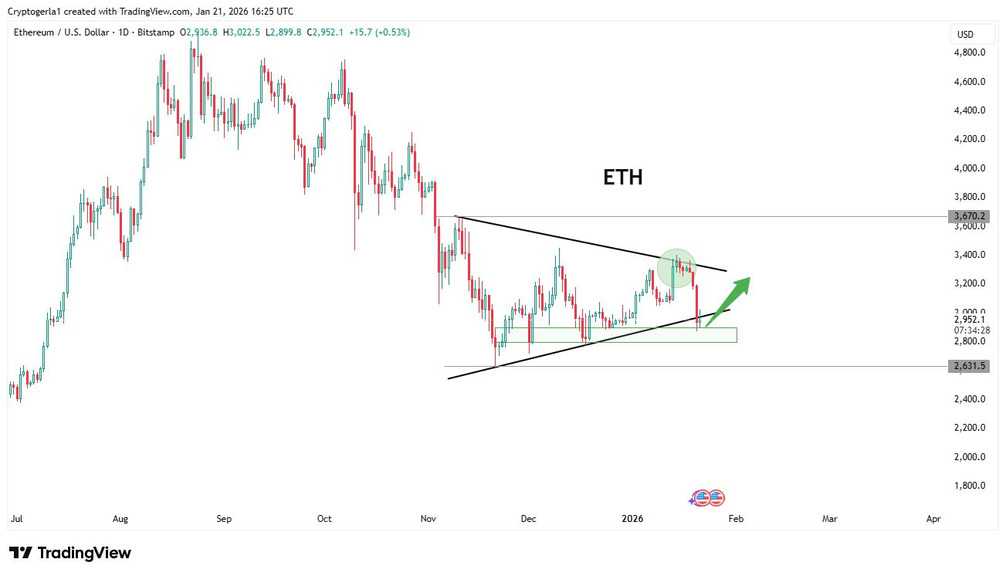
Despite short-term pressure, longer-term indicators remain constructive. A significant portion of ETH supply continues to be locked in staking, limiting available liquidity. Many market participants view the current move as a reset in positioning rather than a deterioration of Ethereum’s underlying fundamentals.
For now, price expectations remain cautious below key resistance levels. Additional downside risk may persist if global markets remain defensive, though Ethereum’s established role within institutional portfolios supports a more balanced medium-term outlook once volatility stabilizes.
Utility-Focused Crypto Projects Gain Attention as Volatility Persists

As ETF flows soften and risk appetite declines, some investors are turning attention toward crypto projects tied to practical, real-world use cases. During periods of uncertainty, assets supported by ongoing economic activity often receive closer scrutiny than those driven primarily by speculative momentum.
In this context, Remittix has drawn increased attention for its focus on payment infrastructure rather than price-driven narratives. The project centers on crypto-to-fiat functionality, aiming to support everyday transfers, business settlements, and cross-border payments regardless of broader market cycles.
The platform’s PayFi model targets consistent demand rather than short-term trading activity. Payment use cases tend to remain active even during volatile periods, as individuals and businesses continue to move funds across borders. This emphasis on execution and usability has positioned Remittix as a project of interest for participants seeking exposure to utility-based crypto solutions.
Recent developments show growing engagement across its ecosystem. The Remittix Wallet is already available via the Apple App Store, with expanded PayFi functionality scheduled for February 9, 2026. The project has also confirmed centralized exchange listings, signaling progress toward broader market accessibility.
Key elements supporting interest include:
-
A payment-focused ecosystem connecting crypto and fiat transfers
-
Smart contracts audited by CertiK and a publicly verified team
-
Confirmed exchange listings with additional updates expected
-
Exposure to global payment flows rather than short-term price speculation
Rather than relying on market hype, Remittix’s approach emphasizes infrastructure and operational delivery, factors that often become more relevant as markets turn defensive.
Market Perspective
Ethereum remains a core asset within institutional crypto exposure, though near-term sentiment reflects broader macro caution. ETF activity suggests investors are managing risk rather than exiting the space entirely. At the same time, utility-driven projects are receiving attention as market participants reassess where sustainable value may emerge during uncertain conditions.
As volatility continues, assets supported by real-world usage, transparent development, and clear execution paths may remain in focus alongside established networks.
Learn More About Remittix
Website: https://remittix.io/
Socials: https://linktr.ee/remittix
FAQs
Are audited crypto projects safer for investors?
Audits help identify vulnerabilities in smart contracts and reduce certain technical risks, but they do not eliminate all forms of risk. Investors should also consider adoption, execution, and long-term viability when evaluating a project.
How do crypto presales typically work?
Presales allow participants to access tokens before public exchange trading begins. Pricing is often structured to support early development, with tokens delivered at a later stage. As with any early-stage participation, liquidity and execution risk should be carefully assessed.
This article contains information about a cryptocurrency presale. Crypto Economy is not associated with the project. As with any initiative within the crypto ecosystem, we encourage users to do their own research before participating, carefully considering both the potential and the risks involved. This content is for informational purposes only and does not constitute investment advice.