TL;DR
- The Korea Exchange has upgraded its infrastructure to list crypto ETFs and derivatives, but current financial law still prevents their launch.
- Jeong Eun-bo confirmed several operational changes, including a gradual extension of trading hours and preparation for new investment products.
- Demand for Bitcoin and Ether ETFs grew throughout 2025, but political promises have yet to translate into rules that allow their formal launch.
The Korea Exchange has moved forward with upgrading its infrastructure to list cryptocurrency-linked ETFs and derivatives, but South Korea’s financial regulation continues to block their approval.
The exchange confirmed that its trading, clearing, and supervision systems already support these products, yet existing law still does not recognize crypto assets as eligible financial underlyings.
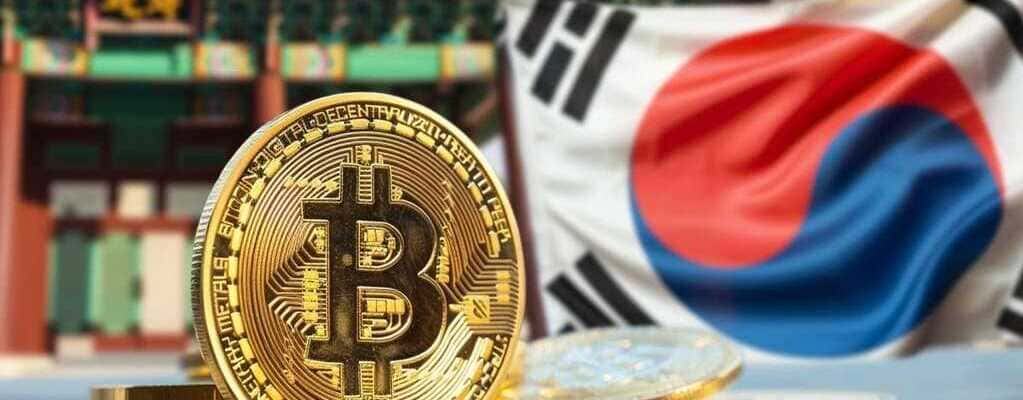
Unfulfilled promises and ETFs on hold
Jeong Eun-bo, chairman of the Korea Exchange, said the local stock market began the year with operational changes aimed at expanding the range of instruments and extending trading hours. Priorities include the gradual rollout of near-continuous trading and the launch of new products, including ETFs and derivatives based on virtual assets. No regulatory approvals were announced, but he made it clear that the constraint is legal, not operational.
Current regulation blocks the listing of crypto ETFs because digital assets do not fit within the framework of the Capital Markets Act. The Financial Services Commission is reviewing potential reforms through a dedicated crypto committee, which is assessing whether these assets can be incorporated into the traditional financial system. While that process continues, the Korea Exchange has chosen to publicly demonstrate its operational readiness and reduce institutional friction if regulations change.
Throughout 2025, financial industry associations called for regulated products to channel domestic demand for exposure to Bitcoin and Ethereum. The issue entered the electoral agenda, and current President Lee Jae-myung pledged during his campaign to allow the launch of crypto ETFs. That promise, however, has yet to materialize.

AI-based trading surveillance
In parallel, the Korea Exchange announced additional measures for the traditional market. The exchange will implement an artificial intelligence–based monitoring system to detect irregular trading and strengthen enforcement against price manipulation. It also confirmed the progressive extension of trading hours and a review of practices that sustain the so-called “Korea Discount,” a phenomenon that leaves local equities trading at lower valuations than their international peers.
The infrastructure is ready. The legal framework still needs to evolve. Until that definition is resolved, crypto ETFs in South Korea remain outside the formal market, despite demand that continues to grow