TLDR
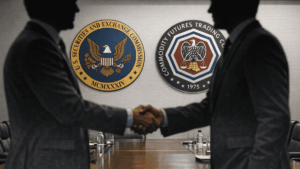
- Michael Selig’s confirmation to chair the CFTC is seen as the final piece for a new digital legal framework.
- David Sacks asserts that Selig and Paul Atkins (SEC) form a “dream team” to bring clarity to the sector.
- The US Congress is preparing to resume the crypto market structure bill in January.
The recent confirmation of Michael Selig as chairman of the Commodity Futures Trading Commission (CFTC) has given a decisive turn to the landscape of crypto regulation in the US.
Extraordinarily excited to have the leadership of @MichaelSelig as Chair of CFTC at this critical juncture for digital assets. Along with SEC Chair @SECPaulSAtkins, President Trump has created a dream team to define clear regulatory guidelines for the 21st century. https://t.co/HqeFnFSJcH
— David Sacks (@davidsacks47) December 22, 2025
Following the appointment, David Sacks—the newly designated White House “AI and Crypto Czar”—celebrated the decision, stating that the country is at a critical juncture that will finally allow for the establishment of clear guidelines for digital assets.
Sacks emphasized that the pairing of Selig at the helm of the CFTC and Paul Atkins leading the Securities and Exchange Commission (SEC) constitutes a regulatory “dream team.” This team’s mission is to transform the United States into the “Crypto Capital of the World,” moving away from the previous policy of regulation by enforcement to make way for robust structural legislation.
A New Legislative Framework on the 2026 Horizon
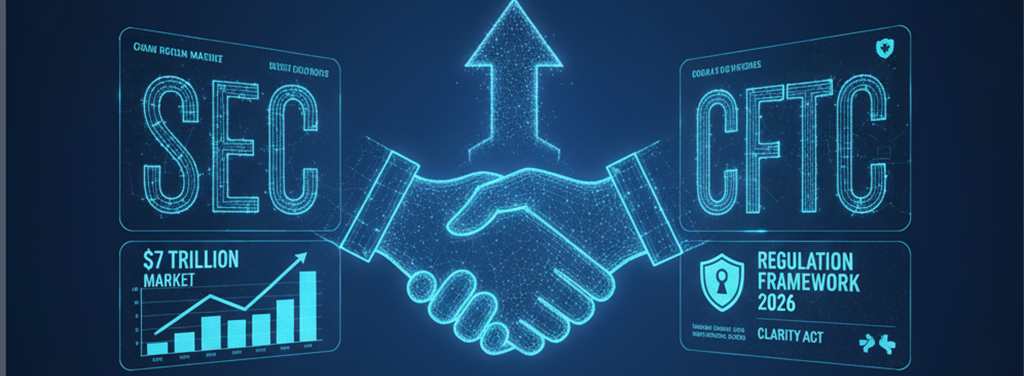
Selig’s recent statements have sparked Sacks’ optimism. Selig confirmed that Congress is ready to finalize work on the Responsible Financial Innovation Act. This bill seeks to precisely define which digital assets fall under the jurisdiction of the CFTC and which under the SEC, granting the former significantly greater authority over the digital commodity spot market.
Although legislative progress was temporarily halted by the year-end recess, the Senate Banking Committee is expected to take up the proposal again in January 2026. This regulation is fundamental for crypto regulation in the US, as it will provide the legal certainty that financial institutions have demanded for years.
In summary, despite the enthusiasm, the path is not without obstacles. Some lawmakers have expressed concerns about how the law will address decentralized finance (DeFi), which could slow down the voting process on the Senate floor.
However, with Selig confirmed in a 53 to 43 vote and the imminent departure of Caroline Pham to the private sector, the stage is set for a transition toward more technical and less litigious oversight, marking the beginning of a new era for crypto regulation in the US.