
BRICS Explores CBDC and Payment Links to Cut Cross‑Border Costs
TL;DR BRICS bloc countries are exploring ways to link their instant payment systems and CBDCs to reduce costs in cross-border transactions. The Governor of the Reserve

TL;DR BRICS bloc countries are exploring ways to link their instant payment systems and CBDCs to reduce costs in cross-border transactions. The Governor of the Reserve
TL;DR South Korea’s CBDC pilot completed live payments across more than 80,000 wallets with no independent post-launch security audit. The only formal evaluation was conducted by

TL;DR: Imposition of the financial panopticon: The Bank of Russia is forcing systemically important banks and major retailers to implement the digital ruble by September 1,
TL;DR: The Bank of Korea’s CBDC advances to its second phase, integrating deposit tokens into existing commercial banking systems. Participants will be able to use the

TL;DR Senate and House negotiators agreed on updated housing legislation that would block the Fed from issuing a U.S. CBDC through December 31, 2030. The bill

TL;DR: South Carolina enacted a comprehensive crypto framework banning state and local authorities from accepting, requiring or testing central bank digital currency payments. The law protects
TL;DR: Former CFTC director Timothy Massad stated that a U.S. CBDC is inevitable and is being privately explored despite Trump’s public opposition. U.S. officials participate in
TL;DR: Republican lawmakers seek to permanently ban CBDCs in the U.S., removing the 2030 temporary limit included in a housing bill. Representative Warren Davidson warned that

TL,DR: Disguised centralization: The ECB is partnering with technical bodies to unify payments under its direct control. Astronomical cost: It is estimated that implementation will cost
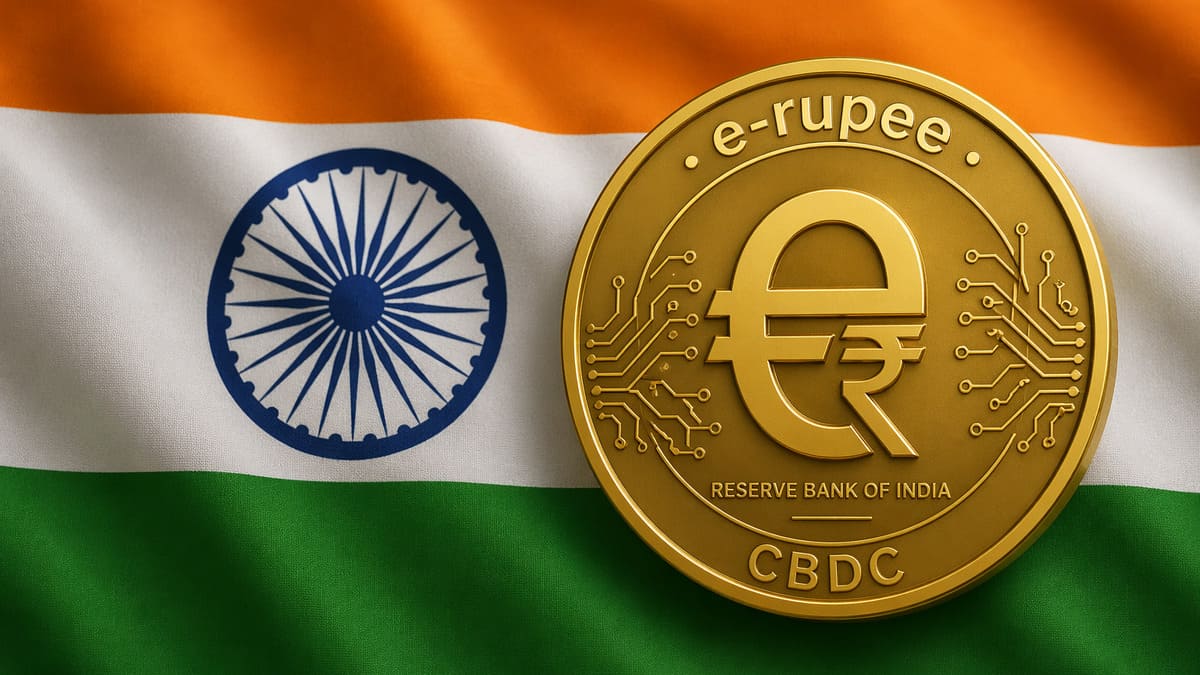
TL;DR: India channels part of its $80 billion social welfare system through the e-rupee across roughly 10 pilot programs. Accumulated e-rupee transactions total just $3.6 billion