


TL;DR
- Kingsport, Tennessee amended zoning rules to permit crypto mining and data centers.
- New regulations enforce noise limits and require a 500-foot distance from residences.
- A state-level bill was introduced to allow investment in Bitcoin for Tennessee’s reserves.
Kingsport, a city in eastern Tennessee, moves forward with local regulation tied to digital infrastructure after approving changes to zoning rules that open the door to cryptocurrency mining operations and data centers. The decision follows a unanimous vote by the Board of Mayor and Aldermen during a recent council meeting and marks a formal adjustment to how industrial land can be used inside the city.
The ordinance, approved on first reading, updates zoning language that did not account for large-scale data-driven industries. The new text establishes clear parameters on where crypto miners may operate, under what physical conditions, and with what limits on operational noise. Before the amendment becomes law, it still requires a second and final vote by the board.
City officials base the change on a recommendation issued in December by Kingsport’s planning division. In its report, planning staff explained that the industrial zoning code was written at a time when mass digitization and data-intensive businesses were not expected.
According to the document, city planners anticipate growing interest from companies built around digital processing and argue that updated rules allow municipal authorities to properly review and permit such uses.
Under the amendment, cryptocurrency mining companies may operate only inside fully enclosed buildings and must remain at least 500 feet away from any residential structure or zoning district. Each proposal also requires approval tied to a sound impact study. The ordinance caps operational noise at 60 A-weighted decibels measured from the property line, a limit designed to reduce disturbances beyond industrial areas.
Noise limits and legal pressure shape local policy
Noise control plays a central role in the updated zoning language. In other parts of the United States, including Hood County, Texas, residents have filed lawsuits against mining operators over constant mechanical noise linked to large-scale facilities. Kingsport’s approach seeks to prevent similar disputes by placing enforceable limits on sound levels before any project begins operations.
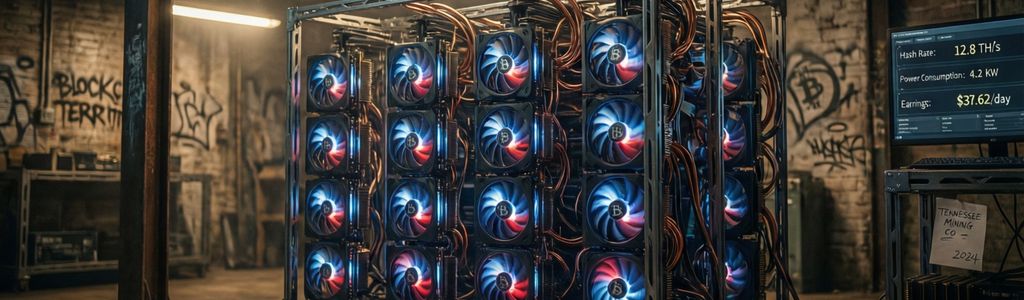
With an estimated population of 57,000 residents, Kingsport ranks among the twenty largest cities in Tennessee. As a result, local decisions related to crypto-related infrastructure carry broader weight within a state already viewed by many companies as miner-friendly. In 2024, CleanSpark reached an agreement to purchase seven mining facilities near Knoxville, reinforcing Tennessee’s role as an active hub for Bitcoin production.
Municipal action also aligns with developments at the state level. One day after the Kingsport vote, Tennessee House member Jody Barrett introduced the Tennessee Strategic Bitcoin Reserve Act. The proposal seeks to amend state law to allow the treasurer to invest up to 10% of Tennessee’s general fund in Bitcoin, a move that places digital assets directly into discussions around public reserves.
At the time of introduction, the bill lacks confirmed support across the general assembly, and its path forward remains uncertain. Barrett proposed an effective date of July 1 if lawmakers approve and the governor signs the measure. Even without immediate passage, the bill reflects a broader shift in how state officials frame Bitcoin within fiscal policy debates.

