
TL;DR
- Concordium is integrating its verification system into the x402 protocol to enable stablecoin payments with built-in identity and age checks for human applications and AI agents.
- The company is adding its identity layer to a pay-per-use payment standard over HTTP that allows automatic transactions without logins or manual key handling.
- Major industry players expect autonomous agents to become the largest users of stablecoins.
Concordium expands its digital identity infrastructure and integrates its verification system into the x402 protocol, a tool initially incubated by Coinbase that aims to standardize stablecoin payments over the HTTP protocol.
This integration will introduce identity and age checks into a framework designed for applications and AI agents that execute automatic payments without traditional authentication processes. The goal is to deliver verified transactions for services that require clear legal safeguards, ranging from travel bookings to digital content and platforms with age restrictions.
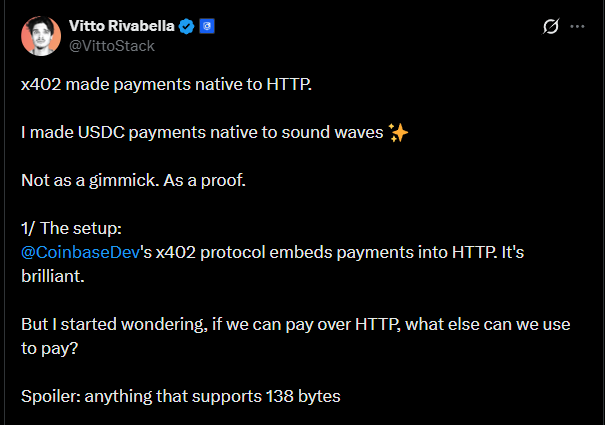
The x402 protocol operates as a pay-per-use payment standard embedded directly into web requests. An application or an AI agent can send a payment without logging in or managing manual keys. The architecture shifts the payment logic to the protocol level and removes the frictions that typically block automated transactions. Concordium inserts its identity layer into that flow and ensures that each operation meets the regulatory requirements tied to high-risk services or restricted content.
Concordium Signed an Agreement with Bitcoin.com
Concordium has already expanded this system through additional agreements, including a partnership with Bitcoin.com aimed at enabling verified payments across a network of more than 75 million wallets. The integration seeks to build an ecosystem where regulated stablecoin payments operate without friction and rely on automatic controls that validate age, user origin, and the permissions required for each service.

Stablecoin usage is undergoing a deep shift. Circulating value now exceeds $300B, and several industry leaders anticipate that the next growth driver will not come from traditional users but from AI systems. Mike Novogratz stated that AI could become the largest user of stablecoins in the near future. That shift is already visible in concrete initiatives: Google released an open-source protocol that allows AI models to send and receive payments, and the Ethereum Foundation suggests that autonomous agents could become the main consumers of resources on the network.
Additionally, Beep launched a wallet on Sui designed for autonomous agents and offering zero-fee transactions. These developments are shaping a landscape where stablecoins stop functioning as a tool primarily for humans and instead become the financial fuel for systems that operate continuously, automatically, and with built-in verification