TL;DR
- Coinbase and its CEO Brian Armstrong described California’s wealth tax as an “unconstitutional confiscation of private assets.”
- Armstrong appeared on the podcast of Katie Miller, wife of the White House deputy chief of staff, and threatened to relocate the company.
- The CEO also argued that artificial intelligence does not need regulation.
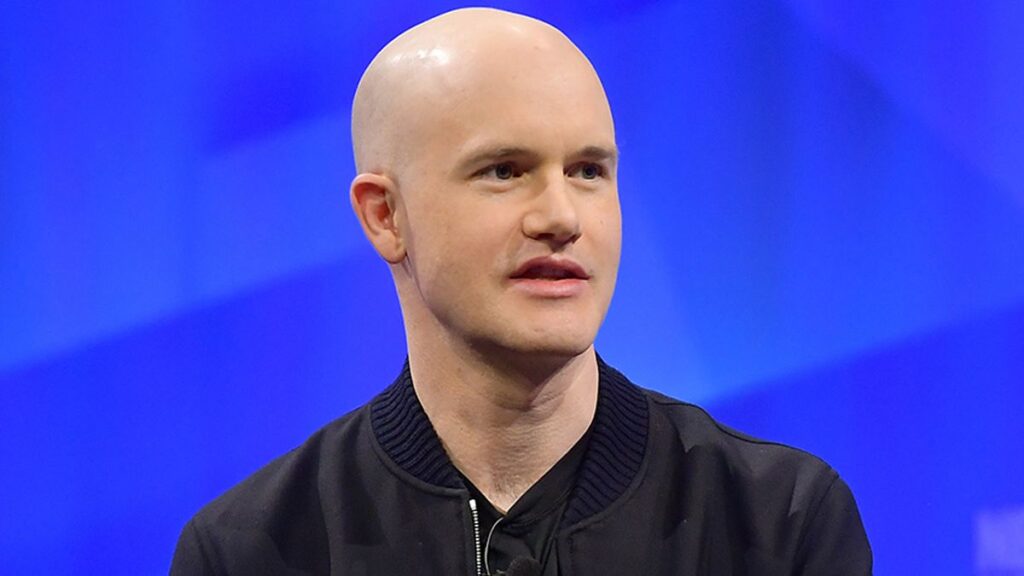
Coinbase and its CEO Brian Armstrong publicly positioned themselves against California’s tax plan. In an appearance on the podcast of Katie Miller, wife of Stephen Miller, current deputy chief of staff of the White House,
Armstrong described the wealth tax proposal —currently undergoing a vote— as an “unconstitutional confiscation of assets” and noted that the company is evaluating “all options regarding relocation.” The episode had been viewed by just 2,300 people at the time of publication.
Coinbase Threatens to Leave, Again
It is not the first time that Armstrong and Coinbase have threatened to leave California. In 2021, the CEO announced the permanent closure of the San Francisco offices. However, in 2025 the company signed a four-year lease for 150,000 square feet of office space in that same city, which contradicts any serious reading of its exit warnings.
The choice of Miller’s podcast does not appear coincidental. Armstrong has maintained a systematic policy of silencing the political voices of his employees internally while directing personal and corporate funds to support Donald Trump and other Republican politicians. Among his gestures toward the administration are donations for the renovation of the White House East Wing, backing for a military parade, and the enabling of Trump’s memecoin on the Coinbase platform.

Clear Agenda
During the program, Armstrong made other controversial claims. He argued that a hundred years ago the life expectancy in the United States was 35 years and that it has more than doubled since then. Historical data contradicts that version: the average life expectancy in 1924 was 57 years. He also claimed that there are “millions of crypto voters” and that there are no voters against cryptocurrencies, without presenting any evidence.
The backdrop of all this public activity appears to be tied to Armstrong’s interest in securing the passage of the CLARITY Act before the end of the year, legislation that would define the regulatory framework for digital assets in the United States. His presence in spaces aligned with the Trump administration points to building political capital for that specific objective.