

With the crypto market moving quickly, readers often compare major networks such as Ethereum, Solana, and Cardano alongside newer projects. This article summarizes recent market and ecosystem developments for ETH, SOL, and ADA, and describes claims BlockDAG has made about its product rollout and fundraising.
Ethereum has drawn attention amid spot-ETF related flows and broader institutional interest. Solana has remained active despite recent volatility and large exchange transfers. Cardano, while facing scrutiny, has stayed visible through ongoing upgrades and ecosystem programs.
Some commentary around BlockDAG has focused on its current token price and project-stated projections. It’s important to note that any return scenarios are speculative and not guaranteed. Below is a closer look at four projects frequently discussed by market participants.
1. BlockDAG (BDAG): Token Sale Figures and Project Timeline
BlockDAG has promoted a large token sale, stating it has collected more than $361 million and distributed over 24.7 billion BDAG coins. The project has also published token pricing figures (including a current price and a planned listing price). These figures, and any implied upside, are project-stated targets and may not reflect future market outcomes.
According to the project, its tooling includes a Demo Trading Platform and a demo sell tool intended for testing trades. The team also describes a promotional campaign it calls a “10 BTC Auction Pool,” which it says is tied to BDAG purchases. Marketing incentives of this type may vary over time and should be reviewed carefully in the project’s own materials.

BlockDAG has also referenced an August 11 “GLOBAL LAUNCH” release date, and stated that it has 2.5 million users on its X1 mobile miner and uses a hybrid DAG + PoW system aimed at scalability. As with any early-stage project, readers should treat timelines and user figures as claims that may be subject to change.
2. Solana (SOL): Recent Volatility and Network Activity
Solana fell by around 15% last week, dipping to $160 after Binance sent 110,000 SOL to Wintermute. The move coincided with about $46 million in liquidations, described by some market trackers as among the larger single-day liquidation events this year. Despite the drop, the $158–$160 area has been cited as a notable support zone, and some analysts have suggested price consolidation could follow.
Separately, on-chain data cited by market observers showed Solana generating over $87 million in fees during July. Such metrics can shift materially with market conditions and application activity.
Investor interest has also focused on spot Solana ETF filings reported from firms including Grayscale, Fidelity, and VanEck. Any approval timeline remains uncertain and subject to regulatory review; some market estimates have placed the probability of approval at high levels, but these are not guarantees.
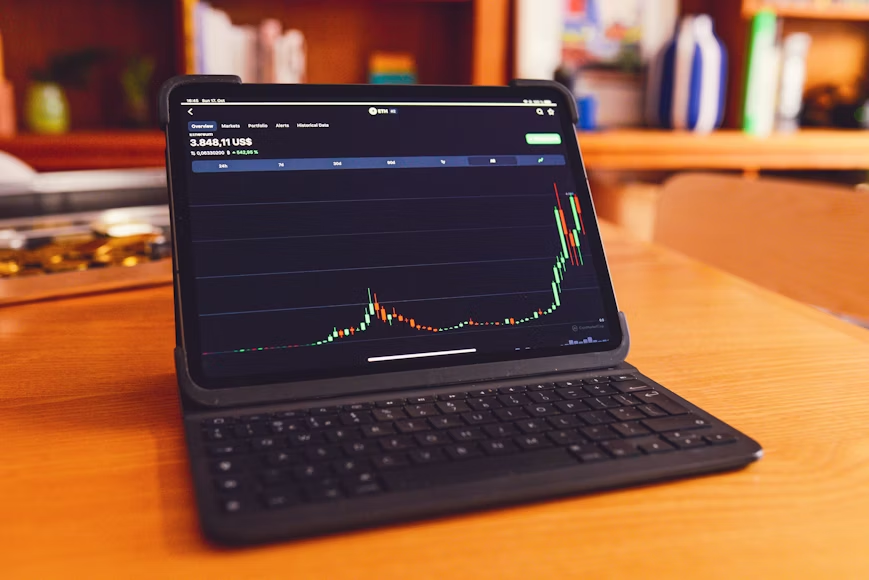
Developer activity continues to be monitored across the Solana ecosystem, including new launches and changes in validator and staking participation. These indicators can be useful context, but they do not predict price performance.
3. Ethereum (ETH): ETF Flows and Network Usage
Ethereum traded above $3,500 on August 4 following a 3.5% daily move, amid reports of more than $5.4 billion in spot-ETF inflows during July. Some fund managers, including BlackRock, have been cited in coverage as increasing exposure through ETH-based products. Ethereum daily users were also reported at 931,000, a level not seen in nearly two years.
ETH has traded in the $3,200–$3,400 range in recent sessions. While some traders have discussed a potential move toward $4,000, such scenarios are speculative and depend on broader market conditions.
Ethereum remains a major platform for DeFi and NFTs, and its roadmap continues to be a key topic for market participants. As with other large-cap assets, short-term price action can diverge from network fundamentals.
4. Cardano (ADA): Price Pressure and Ecosystem Events
Cardano declined about 13% over the past week, falling to $0.71 after post-upgrade activity cooled. ADA moved below $0.72 support, and some traders have discussed $0.65 as a possible downside level if bearish pressure persists.
At the same time, Cardano’s ecosystem continues to develop. The Midnight privacy sidechain began its Glacier airdrop, which has been positioned as a way to drive activity and cross-chain engagement.
Reports have also noted declines in Cardano DeFi value and wallet activity. Input Output Global has said it plans an audit in mid-August to address allocation issues; outcomes could influence sentiment in either direction.
Some market participants have described ADA as potentially oversold, though any rebound is uncertain. Cardano’s near-term direction may depend on follow-through from ecosystem development and broader market risk appetite.
Final Take: What this comparison shows
Ethereum, Solana, and Cardano continue to be closely watched for different reasons: ETF-related flows and institutional products (ETH), on-chain activity and regulatory developments (SOL), and ongoing ecosystem programs and governance milestones (ADA). BlockDAG, meanwhile, has attracted attention primarily through project-reported token sale figures, product demonstrations, and its stated roadmap.
Readers should treat token sale pricing, launch timelines, and projected outcomes as uncertain, and consider the higher risks typically associated with early-stage crypto projects.
Project website (for reference): BlockDAG.
This article is for informational purposes only and does not constitute financial or investment advice. This outlet is not affiliated with the project mentioned. Press releases or guest posts published by Crypto Economy may be submitted by companies or their representatives; readers should independently verify any project claims before making financial decisions.

