


Community alone doesn’t drive a crypto project; incentives and real-world usage can also matter. Dogecoin continues to rely heavily on meme appeal and social buzz, while Cardano focuses on structured upgrades with limited direct user rewards. Both have staying power, but neither is designed around paying users for onboarding activity.
BlockDAG (BDAG) describes a different approach, stating that it distributes rewards to users who help expand the network. Project materials reference 25% referral rewards and a 5% bonus for invitees, alongside reported figures of more than $406 million raised, 26.2 billion coins sold, and 325,000+ users. In discussions about price expectations, BlockDAG is often cited for linking community growth with incentive programs, although these claims and figures should be independently verified.
BlockDAG: Community growth and incentive programs
BlockDAG’s growth narrative is closely tied to its referral model. The project says it has an online community of more than 325,000 members and operates an incentivized onboarding program. According to the project, participants can receive rewards for inviting others, with 25% allocated to the referrer and a 5% bonus allocated to the new participant in BDAG tokens.

The project attributes its expansion across 130+ countries and the reported fundraising total of more than $406 million to this incentive structure, alongside reported sales of more than 26.2 billion coins. These figures are presented here as reported by the project and have not been independently audited within this article.
Project communications also refer to multiple sale “batches” with changing prices. Any stated pricing, timelines, exchange plans, or launch milestones remain subject to change and carry execution risk, as with any early-stage crypto initiative.
As with other token-sale structures, referral incentives can affect how participation grows, but they do not by themselves validate the technology, adoption, or future market performance.
Dogecoin’s outlook hinges on utility and market sentiment
Dogecoin (DOGE) continues to draw attention through community culture and mainstream mentions, yet price direction typically depends on broader market sentiment and actual usage. As of September 4, 2025, DOGE is described here as trading between $0.059 and $0.062, with relatively low volatility and flat momentum.
Compared to earlier levels in 2024, this would represent a modest change, but DOGE does not have a built-in onboarding incentive program comparable to referral-driven token-sale marketing. Dogecoin’s activity is more commonly tied to holding, tipping, and external catalysts rather than structured rewards for network growth.
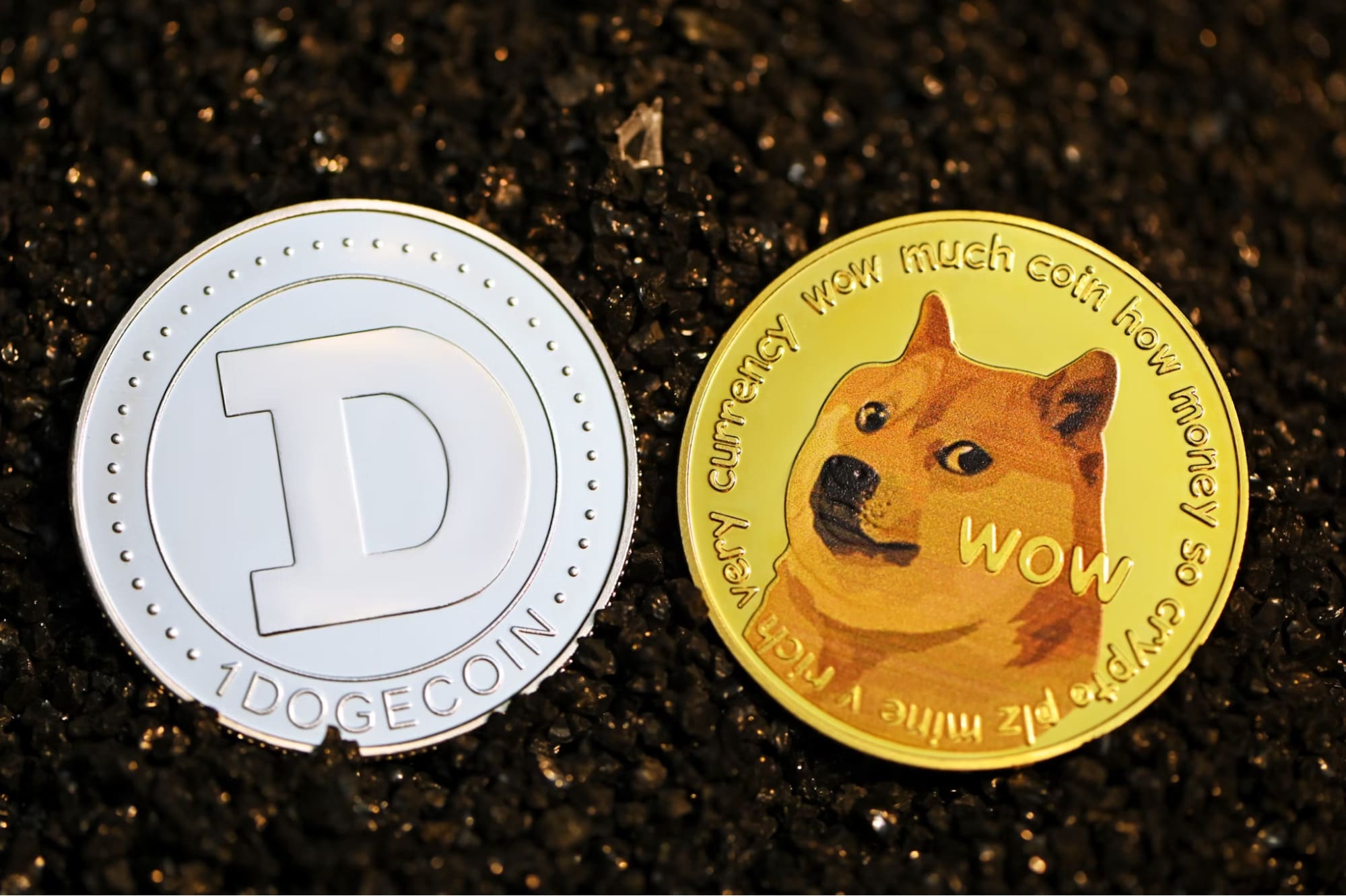
Some analysts have published scenarios that place DOGE in a higher range by early 2026, but these are speculative and depend on uncertain factors such as broader crypto conditions, liquidity, and real demand. As a result, any forward-looking price discussion should be treated as an estimate rather than a forecast.
Cardano’s growth depends on adoption alongside development
Cardano (ADA) is known for its research-driven approach and layered architecture, but its network activity can vary by cycle. As of September 4, 2025, ADA is described here as priced around $0.26, with some analyst outlooks suggesting a potential range between $0.30 and $0.35 by early 2026 if ecosystem adoption improves. These projections are uncertain and may not materialize.
While Cardano has rolled out smart contracts and scaling-related initiatives, it is not primarily marketed around referral payouts for onboarding. By contrast, BlockDAG’s marketing emphasizes financial incentives tied to user growth; whether that approach results in sustained adoption is uncertain and depends on product delivery and ongoing usage beyond promotional activity.
Looking ahead, ADA’s long-term roadmap is widely documented, but participation and application usage remain key factors for network expansion.
Incentives can influence participation, but outcomes remain uncertain
Dogecoin may retain cultural relevance and Cardano may continue to iterate on its technical roadmap, but neither is structured around paying users to recruit new participants. BlockDAG’s reported approach places incentive programs at the center of its community expansion, which can increase participation during fundraising periods.
The project cites more than $406 million raised, 26.2 billion coins sold, and 325,000 people involved. These figures describe reported activity rather than a measure of future performance, and readers should consider execution, market, and regulatory risks when evaluating any token-sale claims.

Project website (for reference): https://blockdag.network
Project Telegram (for reference): https://t.me/blockDAGnetworkOfficial
This outlet is not affiliated with the project mentioned. This article is for informational purposes only and does not constitute financial or investment advice.

