TL;DR
- Tether launches USAT, a regulated stablecoin backed by $17.6 million in reserves.
- USAT operates under federal banking supervision with segregated Treasury-backed accounts.
- Regulated USAT targets institutional finance, unlike offshore USDT prohibited for banks.
The U.S. stablecoin market has a new participant with federal banking credentials. Tether launched USAT in January 2026, and Anchorage Digital Bank just published the first reserve report backing the token: $17.6 million in assets, with a 0.6% surplus above tokens in circulation as of January 31.
The numbers look modest against a global stablecoin market approaching $300 billion. What matters here, however, is not the opening size but the legal architecture behind the product. USAT operates under the supervision of the Office of the Comptroller of the Currency — the same body that regulates nationally chartered banks — and its reserves sit in segregated fiduciary trust accounts backed by dollar cash and reverse repurchase agreements collateralized by Treasury securities.
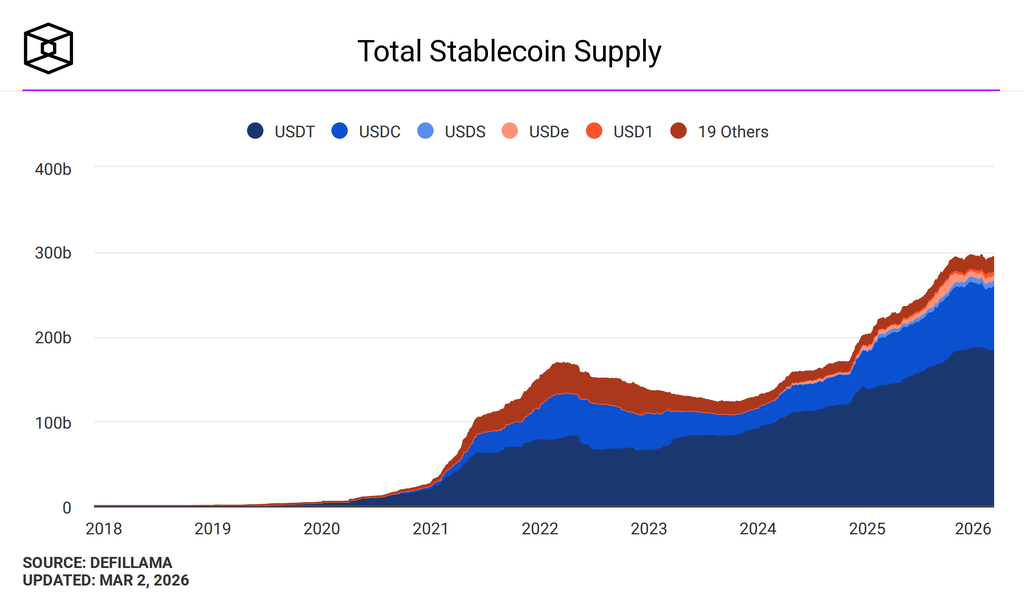
That structure carries real weight. The GENIUS Act, passed in July 2025, set hard requirements for regulated stablecoins on American soil: high-quality reserves, short-term assets, and verifiable institutional oversight. USAT launched specifically to meet every one of those conditions — something USDT, with its $184 billion in global circulation, cannot offer to U.S. customers.
Institutional Finance Needs Exactly What USAT Delivers
For years, major financial players in the United States watched USDT dominate global volume from the sidelines. The token controls a commanding share of stablecoin activity worldwide, but its offshore structure puts it beyond the legal reach of banks, funds, and asset managers operating under American regulation. USAT closes that gap through an issuer with a federal banking charter: Anchorage Digital Bank.
For a financial institution that needs to settle dollar-denominated transactions on-chain, the gap between an unregulated token and one issued by a federally supervised bank is the gap between permitted use and prohibited use. The reserve report Anchorage published delivers the external verification layer those institutions require before incorporating any asset into live operations.

Tether CEO Paolo Ardoino pointed to the report as evidence of genuine appetite in the American market for a dollar-backed digital asset with auditable reserves. Anchorage CEO Nathan McCauley made the case more directly: without verified transparency and bank-level supervision, tokenized dollars cannot scale inside the institutional financial system.
Nathan McCauley, said, “The attestation underscores how tokenized dollars can operate within the existing framework of U.S. banking supervision. If digital dollars are going to support institutional settlement at scale, the reporting standard has to reflect the regulatory perimeter they operate within.”
USAT CEO Bo Hines set a far larger target on the horizon. If demand grows at the pace the team projects, Tether could rank among the ten largest buyers of U.S. Treasury bills before the year ends. Getting from $17.6 million to that position requires growth across several orders of magnitude, but the legal infrastructure already exists to support it. The first reserve report confirms one thing clearly: USAT is not a test product. It is a structured entry into the market segment that USDT was never built to reach.