


TL;DR:
- The bill cleared the House of Representatives with bipartisan support of 294 votes in favor to 134 against in July 2025.
- The US Senate Banking Committee recently approved an amended version of the regulatory project in a 15–9 vote.
- Data from the betting platform Polymarket currently gives a 50% probability (a coin flip) to the final approval of the legal framework.
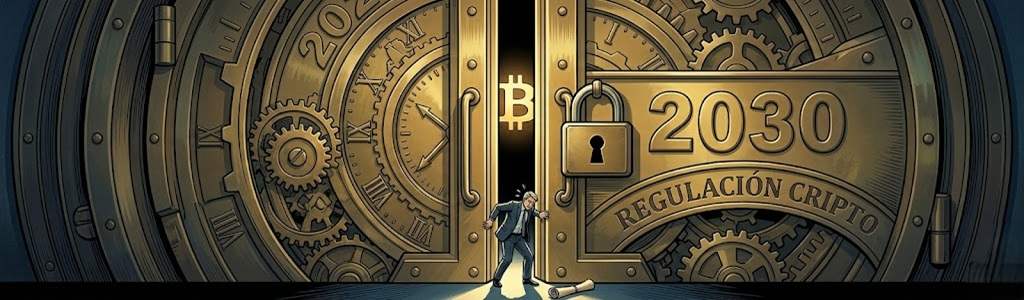
U.S. Senator Cynthia Lummis has issued a stark warning pointing out that the window to regulate cryptocurrencies could close until 2030 if the current Congress fails to act immediately to pass the Digital Asset Market Clarity Act.
The next window for digital asset legislation after this Congress is likely 2030. Until then, developers remain exposed with no legal protections, and law enforcement remains without the tools to hold bad actors accountable. The Clarity Act solves both.
— Senator Cynthia Lummis (@SenLummis) May 29, 2026
The Wyoming lawmaker stated that a prolonged delay of this legal framework would keep software developers exposed without legal protections against enforcement agencies. The Senator emphasized that if the bill fails to clear both legislative chambers before the conclusion of the current congressional term, all accumulated regulatory progress will suffer an absolute reset.
The Senate Stalemate and the Electoral Factor
As of late May 2026, the most ambitious federal legislation for the crypto industry in U.S. territory sits at an institutional crossroads. Although the original text received approval from the House of Representatives mid-last year, its progress stalled in the Senate due to political disputes and pressures from the traditional banking sector regarding the yield of stablecoins.
Recently, the Senate Banking Committee managed to unblock part of the debate by approving a modified substitute version, which incorporated safeguards for infrastructure builders and limited passive interest on stablecoins.
According to analysis by the firm Galaxy Research, this 15–9 vote reflected a minimum consensus that included the backing of some Democratic lawmakers. However, the amended draft has not yet been presented before the full Senate for a final vote, nor has a final unified version been structured to be sent to the presidential desk.
Political projections add a layer of complexity to the legislative landscape due to the proximity of the 2026 midterm elections. Various reports from ecosystem research firms suggest that the Republican Party risks losing seats of power in these elections, which would alter parliamentary agenda priorities.
Under this scenario, market analysts consider that the Democratic bench, distanced from the corporate stances of the crypto industry, could push digital asset regulation to the back burner for several years.
Institutional Alliances and an Uncertain Future
Despite the obstacles on the calendar, the legal initiative boasts influential defenders in Washington’s circles of power. Key administration figures such as Treasury Secretary Scott Bessent and Securities and Exchange Commission (SEC) Chairman Paul Atkins expressed their public support for the necessity of a unified regulatory environment.
Even with this political capital in its favor, uncertainty prevails among market operators. Current odds on the decentralized prediction platform Polymarket reflect that the probabilities of the law being enacted before the end of the year remain split exactly down the middle.
The next critical milestone for the sector will depend on the ability of the leaders of the Senate Banking and Agriculture committees to reconcile their respective jurisdictions over the Commodity Futures Trading Commission (CFTC) and formally schedule the floor debate.

