For years, the foundational dream of cryptocurrencies revolved around building a parallel financial system, isolated from the whims of central banks and governments. Bitcoin is a anarchic response to the bank bailouts and aggressive monetary expansion that followed the 2008 financial crisis. Yet history often thrives on irony.
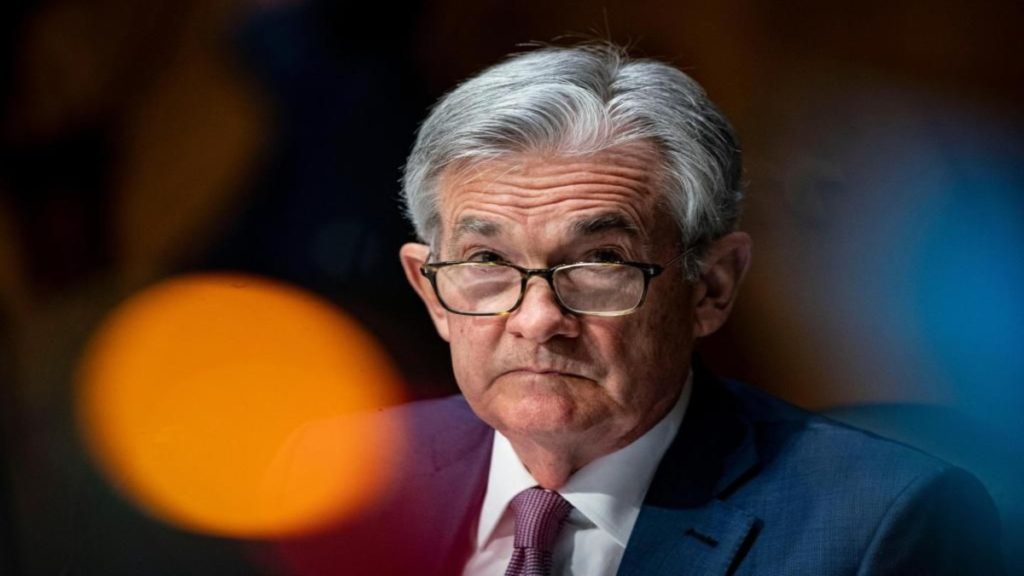
The very institution crypto pioneers sought to escape, embodied in the calm but decisive figure of Jerome Powell, ultimately became the dominant force shaping the destiny of digital assets. As Powell’s tenure as Chair of the Federal Reserve concludes on May 15, 2026, one conclusion stands above the rest: Powell did not merely regulate cryptocurrencies; he unintentionally domesticated them, integrated them into the global financial order, and exposed their true economic nature.
I would argue that, despite never embracing crypto innovation ideologically, Powell became the reluctant architect of crypto’s forced maturity. His eight-year leadership delivered a lesson as uncomfortable as it is undeniable: the monetary independence of cryptocurrencies was largely an illusion, and the digital asset now trading near $80,000 moves overwhelmingly according to the rhythm of global liquidity conditions.
Powell’s legacy unfolds in two almost literary chapters: the boom and the bust, both dictated from the same office inside the Eccles Building. In 2020, the Federal Reserve responded to the pandemic with an unprecedented flood of monetary stimulus. Zero interest rates, massive bond-buying programs, and extraordinary liquidity injections flooded global markets. That ocean of easy money became the perfect fuel for speculative assets, and few assets benefited more dramatically than Bitcoin. The cryptocurrency surged from below $4,000 in March 2020 to over $60,000 in 2021.

Many attributed that rise to El Salvador’s adoption, the “digital gold” narrative, or the NFT explosion. In reality, those explanations were secondary. Cheap liquidity searching desperately for yield drove the crypto boom. Powell transformed Bitcoin into the ultimate risk-on asset, a high-beta instrument that amplified every movement in the broader equity markets, particularly the S&P 500 and Nasdaq.
But the same Federal Reserve that ignited the boom also engineered the collapse. Powell’s aggressive hawkish pivot in 2022, featuring the fastest interest-rate hikes in four decades, drained liquidity from the financial system with brutal efficiency. The crypto market, bloated by leverage and speculative excess, imploded. Bitcoin crashed from nearly $69,000 to below $16,000. This was not simply a market correction; it became a systemic purge that exposed the fragility of an ecosystem built on excessive leverage and blind optimism.
Terra, Three Arrows Capital, Celsius, and FTX collapsed in rapid succession. While public attention focused on fraud and mismanagement, the deeper cause lay in the reversal of monetary conditions. Powell’s tightening cycle revealed which participants depended entirely on perpetual liquidity expansion to survive. The collapse destroyed the narrative of cryptocurrencies as safe havens detached from the traditional system. In its place emerged a harsher reality: crypto assets behave primarily as liquidity-sensitive speculative instruments.
Alongside this macroeconomic cycle came another defining feature of Powell’s era: the doctrine of “same activity, same rules.” Powell never advocated for an outright ban on cryptocurrencies, but he consistently pursued a strategy of defensive containment. His approach aimed to ensure that digital assets could not destabilize the traditional banking system. Stablecoins, in particular, became a central concern. Powell repeatedly warned that privately issued digital dollars required bank-like oversight, arguing that any instrument functioning as money should face comparable regulation.
His broader ideological victory involved convincing policymakers that financial innovation deserved no special exemption from regulatory scrutiny. Crypto companies would need to comply, mature, and operate within existing frameworks. Perhaps most revealing was Powell’s stance on a central bank digital currency. His repeated insistence that the Federal Reserve would never issue a direct-to-consumer CBDC without explicit congressional authorization effectively closed the door on an ambitious state-led digital monetary revolution.
Yet the darkest aspect of Powell’s legacy did not appear in FOMC statements or press conferences. It emerged through what critics labeled Operation Chokepoint 2.0. Under the justification of risk management, multiple regulatory agencies pressured banks to reduce or sever ties with crypto firms. The SEC’s controversial SAB 121 accounting guidance, which imposed punitive treatment on crypto custody activities, further isolated the industry from the traditional banking sector.
The irony became difficult to ignore when Powell later admitted concern about “debanking” and regulators quietly softened several restrictive policies in 2025. The reversal amounted to an implicit acknowledgment that the government’s strategy had crossed into financial suppression. Rather than regulating innovation transparently, authorities attempted to suffocate it indirectly by restricting access to banking infrastructure. The retreat from those policies reflected not a principled victory for crypto advocates, but a delayed recognition that overreach risked damaging American competitiveness in financial technology.
So what, ultimately, defines Powell’s inheritance? The paradox remains extraordinary. The central banker who never bought Bitcoin, who publicly stated he could not own it, and who viewed it primarily as a speculative substitute for gold became the man who permanently integrated it into the global financial architecture.
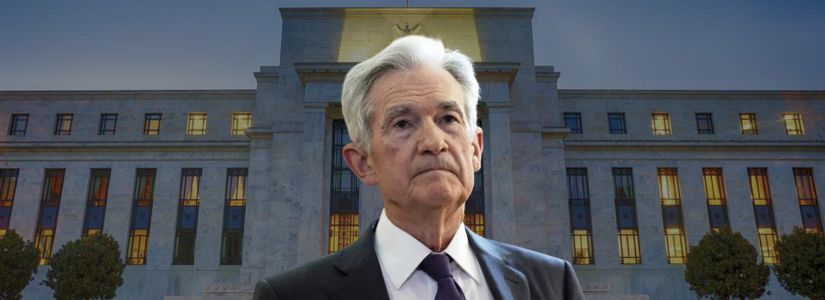
Before Powell, Bitcoin largely existed as a libertarian rebellion against the financial establishment. After Powell, Bitcoin evolved into a macro-sensitive institutional asset whose price reacts immediately to Federal Reserve speeches, interest-rate expectations, inflation data, and liquidity conditions. In many ways, this transformation represented the defeat of the original cypherpunk vision. Yet paradoxically, it also ensured crypto’s survival. Institutional legitimacy required integration into the very system Bitcoin once promised to escape.
Now the baton passes to Kevin Warsh, a figure who has openly described Bitcoin as “the new gold for people under 40.” Markets anticipate a transition from defensive containment toward more aggressive institutional integration. But investors should avoid confusing stylistic differences with structural change. Warsh may appear friendlier toward digital assets, yet Powell already established the deeper truth: as long as the Federal Reserve controls the price of money, cryptocurrencies will remain subordinate to monetary policy cycles.
The macroeconomic cage has already been built. Its walls consist of interest rates, liquidity flows, bond markets, and institutional capital allocation. No Fed chair, regardless of personal enthusiasm toward crypto, can fundamentally alter that reality.
Ultimately, Jerome Powell never intended to shape the crypto world, yet his policies sculpted it more profoundly than perhaps any other individual outside the industry itself. He shattered the illusion of a parallel financial order and forced the market to recognize that cryptocurrencies no longer exist outside the system. They have become its most volatile, speculative, and emotionally reactive mirror.
Powell leaves behind a crypto market that is larger, more institutionalized, more regulated, and more dependent on Federal Reserve communication than on technological idealism. That dependence may disappoint early believers who imagined total financial independence, but it also marks crypto’s arrival as a permanent component of the global financial system.
That is Jerome Powell’s quiet victory.