Thousands of market participants monitor crypto price movers, but distinguishing sustained momentum from short-lived hype requires examining the technology, use cases, and on-chain metrics behind each project.
This article highlights four projects — BlockDAG, BNB, Hyperliquid, and Ethereum — and summarizes the project-reported drivers that market observers cite for recent price moves.
1. BlockDAG: early-stage token sale and planned casino launch
The BlockDAG project reports a protocol designed for high throughput (project materials cite over 10,000 TPS and ~2-second confirmations), along with on-chain activity metrics the team has published, including cumulative transfers and blocks produced on its mainnet. The project also reports that a large quantity of BDAG tokens is staked; these figures are reported by the project and are not independently verified here.
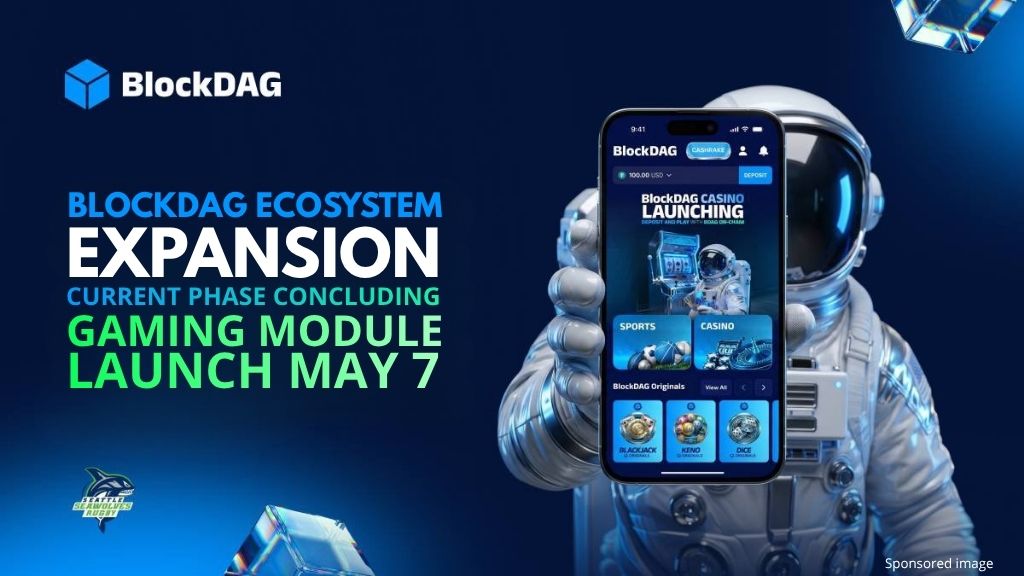
According to the project website, BlockDAG plans to launch a native on-chain casino that would use BDAG for transactions. The team describes this as one source of on-chain utility for the token; such claims are presented here as reported by the project and should be evaluated independently.
BlockDAG‘s roadmap materials describe additional initiatives such as a Super App, lending protocols, oracles, and broader dApp support. The project has also outlined staged token sale activity in its materials; details and any pricing information are supplied by the team and are unverified in this article.

2. Ethereum: core smart-contract platform and institutional participation
Ethereum is a widely used smart-contract platform that supports decentralized finance, NFTs, and tokenization efforts. Institutional accumulation and staking activity have been noted in market reports and on-chain analyses; these trends can affect available circulating supply and network usage but should be confirmed through independent sources before drawing conclusions.
Ethereum continues to be a central settlement and execution layer for many Web3 applications, and its ecosystem dynamics are commonly cited as drivers of long-term network activity.

3. Hyperliquid: decentralized derivatives and trading infrastructure
Hyperliquid positions itself as a decentralized derivatives platform designed for higher-throughput trading and lower latencies compared with some other decentralized options. The project states that its architecture is intended to support large trading volumes and to reduce transaction costs for traders.
Project materials also describe token-economic mechanisms, including fee allocation policies that, according to the team, could affect circulating supply. Interest from various market participants has been reported; these developments should be assessed alongside independent liquidity and usage data.
4. BNB: ecosystem utility and token burn mechanism
BNB is integrated into a large exchange ecosystem and is used for network fees, developer activity, and platform incentives. The token has a programmed burn mechanism described by its issuer, which reduces the token supply over time according to the project’s published policy. Proponents say supply-reduction mechanisms can influence scarcity; such effects depend on broader market conditions and demand.
BNB’s role in supporting applications, developer activity, and exchange-related functionality is frequently cited as a factor in its market positioning.
Final thoughts
Each project discussed here has different technical designs and reported use cases: BlockDAG emphasizes reported throughput and a planned on-chain casino, Ethereum serves as a broad smart-contract settlement layer with significant developer activity, Hyperliquid focuses on high-performance decentralized trading infrastructure, and BNB combines exchange-related utility with a supply-reduction policy described by its issuer.

This article contains information about a cryptocurrency presale. Crypto Economy is not associated with the project. As with any initiative within the crypto ecosystem, we encourage users to do their own research before participating, carefully considering both the potential and the risks involved. This content is for informational purposes only and does not constitute investment advice.