From time to time, the crypto ecosystem faces the same recurring question, a mantra that echoes through forums, Telegram groups, and institutional trading desks: “Does crypto need a reset before the next big bull run?” After a period in which Bitcoin reached new all-time highs driven by ETFs and memecoins once again showed their most volatile face, the issue gains uncomfortable but necessary relevance.
Those of us who have been observing the cyclical behavior of this crypto sector for years know that the great bull markets—the ones that truly mark a before and after—are not born from a simple continuation of previous euphoria, but rather from ashes that have been patiently sifted.
But let’s be careful: when we talk about a “reset,” many imagine a price cataclysm, another 80% drop that sweeps the table clean and leaves survivors empty-handed. I argue that this view, though cinematic, is increasingly unlikely and, above all, unnecessary. The reset crypto really needs is not a generalized market crash, but a deep purge of the excesses we still carry: projects without substance, artificially inflated capital structures, and a speculative narrative that continues to hijack attention that should be directed toward real utility.
To understand this, it’s worth remembering what happened after the winter of 2018. Bitcoin fell from $20,000 to $3,000, and in that silence the foundations of what would later become the DeFi cycle were born: Uniswap, Aave, Compound, and a new generation of protocols that demonstrated decentralized finance could make sense without intermediaries.
Something similar occurred after the collapse of Terra-Luna and FTX in 2022: amid widespread skepticism, Layer 2 infrastructure (Arbitrum, Optimism, zkSync) was built, and conversations about real-world assets (RWA) and the convergence of AI and blockchain began in earnest. Previous resets were not just price drops; they were cleansing processes that made room for genuine innovation.

Today, however, the context has changed. The approval of Bitcoin and Ethereum ETFs by giants like BlackRock and Fidelity has woven an institutional safety net unprecedented in the sector’s history. An 80% drop is no longer so easy: when prices correct sharply, these funds see entry opportunities, patient capital begins to accumulate, and firmer bottoms form. Therefore, the reset will not come from a new apocalyptic “crypto winter,” but from a process of capital rotation and cannibalization among sectors.
The first front where a purge is urgent is memecoins
Do not misunderstand me: I understand the cultural and playful component they represent, and even their role as an entry point for new users. But the current situation has led to a grotesque distortion. Every week, dozens of tokens with no utility, anonymous teams, ridiculous liquidity, and valuations that defy all logic emerge.
This phenomenon not only burns retail investors who arrive late, but also siphons liquidity that could be financing real infrastructure, games with true product-market fit, or cross-border payment solutions. A healthy reset in this sector means that 95% of these coins go to zero—as is already happening—and that the few projects that survive do so because they have built community and product, not just because they knew how to exploit a passing trend.
The second major point of purification lies in the valuations of venture capital-backed projects. The last cycle popularized the high FDV, low float model: projects with fully diluted valuations in the tens of billions of dollars, but with only a small percentage of their supply circulating in the market. When those tokens unlock, the result is selling pressure that crushes the price and leaves retail investors holding losses while VCs pocket guaranteed gains.
The market needs a reset in expectations: we cannot continue rewarding teams with astronomical valuations when they have not yet demonstrated user retention, real revenue, or effective decentralization. The next bullish phase must punish this dynamic and favor models more aligned with long-term value creation.
The third area, perhaps the most structural, is real utility. For years, the dominant narrative was “this will change the world,” but it rarely materialized into tangible metrics. Fortunately, today we have protocols generating fee revenue, physical infrastructure networks (DePIN) already providing real-world services, and asset tokenization systems being adopted by traditional financial institutions.
The reset we need consists of definitively abandoning empty rhetoric and moving toward an evaluation based on fundamentals: how many daily active users does it have? What revenue does it generate? Does it solve a real problem? The next bull run will not be driven solely by speculation about a new technological narrative, but by the demonstration that blockchain can be a useful value layer for the global economy.
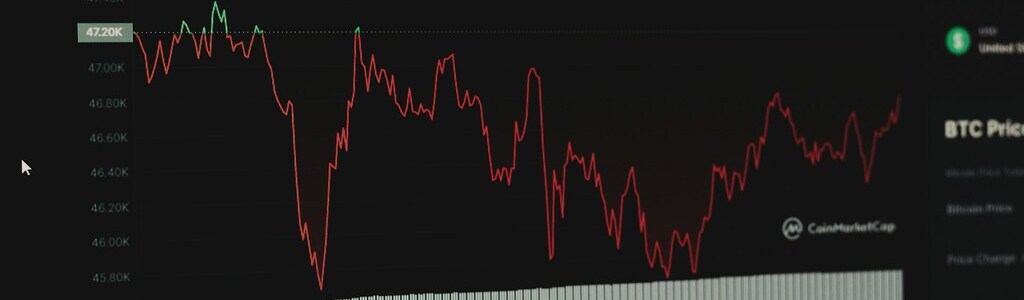
Now, what role does price play in all this? Prolonged bear markets are often the most effective catalyst for cleansing, because projects without solid funding disappear and over-leveraged investors are expelled from the system. However, given that we now have institutional ETFs and a more diverse global user base, the next “reset” is likely to take the form not of a single devastating drop, but of an extended sideways phase where speculative liquidity gets bored and withdraws, leaving only committed actors behind. In this scenario, prices can remain relatively stable while quality is quietly filtered.
Still, it would be naive to ignore that systemic risks persist. Leverage in centralized and decentralized exchanges remains high. Many restaking protocols or complex yield strategies reintroduce leverage that, in a risk-off environment, can trigger liquidation cascades. A reset also implies that developers and founders themselves internalize that security and sustainability are more important than the race for Total Value Locked (TVL).

Those who are waiting for the next bull run to make a fortune overnight will likely be disappointed if the underlying structure does not change. Conversely, those who understand that the real opportunity lies in separating the wheat from the chaff—and who have the patience to invest during the cleansing process—will be the ones to reap the rewards when the market looks up again with renewed fundamentals.
The reset, in short, has already begun. We will not see it in a single red candle on the charts, but in the market’s growing indifference toward empty projects, in the demand for transparency from investors, and in the quiet consolidation of an infrastructure that demonstrates its value more each day. When that process is complete, the next cyclical uptrend will not be a replica of the past, but the beginning of a new era for blockchain technology: more institutional, yes, but also more real, more resilient, and finally more useful. And that is a reset we should all welcome.