The global financial system has just sent a warning few anticipated. In a matter of hours, assets traditionally considered safe havens—gold and silver—suffered one of the largest declines on record, wiping out more than $10 trillion in notional value. This was not a routine technical correction but the expression of a structural shift that is redefining wealth preservation in 2026, coinciding with a parallel deterioration in the crypto market where Bitcoin fell below $67,000, its lowest level in more than a year.
The Kevin Warsh Factor and the End of Easy Money
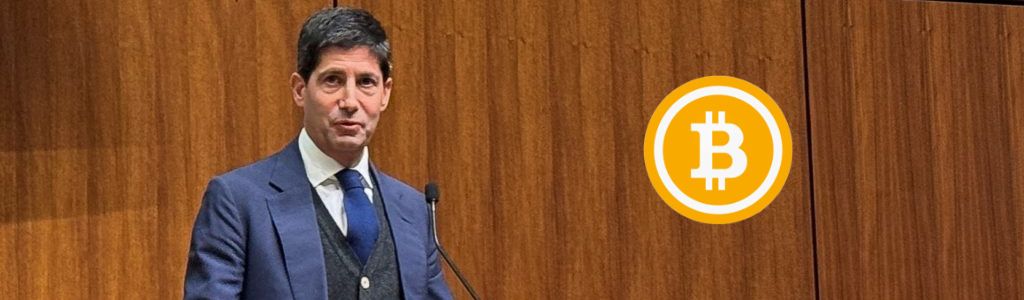
The immediate trigger was political. The nomination of Kevin Warsh to chair the Federal Reserve radically altered liquidity expectations. Markets had been pricing in a dovish figure such as BlackRock’s Rick Rieder; instead, they received a monetary hawk long critical of the Fed’s swollen balance sheet. The message was unmistakable: less tolerance for inflation and fewer implicit bailouts.
For investors this meant an abrupt repricing of the dollar and a reassessment of all leveraged assets. The shift coincided with capital outflows from Bitcoin ETFs and coordinated selling by large holders, accelerating the slide of a cryptocurrency that traded above $126,000 in October 2025. The lesson was brutal: in a world of positive real rates, neither gold nor crypto retains its aura of immunity.
When Collateral Catches Fire
Silver plunged 35% in a single day and gold nearly 10%, the worst performance since 2008. The explanation is not purely macroeconomic. The previous rally had been parabolic—gold almost doubled and silver quadrupled between 2025 and January 2026—driven by FOMO and extreme leverage.
These metals are not just investments; they function as core collateral of the financial system. When their value evaporates, margin calls explode, forcing liquidations across other assets from equities to cryptocurrencies. Bitcoin’s drop under $70,000 occurred simultaneously with the metals crash, highlighting the growing correlation between global liquidity and so-called alternative assets.
A Crisis of Confidence and Record Debt
Behind the volatility lies an unpayable mountain of liabilities. U.S. public debt has reached $38 trillion, while Japan and Italy exceed 120% of GDP. In this environment gold had been viewed as the only asset without counterparty risk. Yet euphoria turned it into another speculative arena.
Even emblematic players reveal contradictions. Tether, issuer of the USDT stablecoin, holds between 80 and 116 metric tons of gold and $122 billion in U.S. Treasuries, and has just invested $100 million in crypto bank Anchorage, valued at $4.2 billion. That a digital-money giant becomes one of the world’s largest private gold holders illustrates the confusion of the moment: everyone seeks anchors, but no one trusts the same ones.
The End of the Safe-Haven Myth
The collapse exposed that the gold narrative depended on two assumptions: a weak dollar and a permissive Fed. With Warsh, that script unraveled. JP Morgan analysts still project $6,300 per ounce by the end of 2026—30% above current levels—but admit the path will be far more volatile.
Bitcoin faces a similar dilemma. Its fall dragged down altcoins and revived the debate over whether it is a store of value or merely a risk asset. Outflows from ETFs and institutional funds suggest that, for now, the market treats it as speculative technology rather than digital gold.
Strategy for 2026
The new paradigm demands abandoning dogmas. Holding excessive cash in a world of structural inflation means losing by inertia, yet concentrating on a single “lifeboat” can be fatal. Diversification must blend real assets, productive technology, and tactical exposure to metals and crypto, recognizing that all can fall together when liquidity disappears.
The uncomfortable lesson is that absolute safety has vanished. Recent episodes prove that even centuries-old markets can behave like volatile tokens when leverage dominates the narrative.

Market Reflection
We are witnessing the end of the age of predictability. Gold, silver, and Bitcoin have reminded investors that no refuge is sacred if built on debt and political expectations. The true Great Reset is not a single event but a transition toward markets where power shifts from fundamentals to monetary decisions.
For the modern investor the task is no longer to guess the next high but to survive a system being rewritten in real time with resilient portfolios and emotional discipline. In 2026, protecting wealth will not mean choosing the right asset, but avoiding entrapment in the next collective illusion.