TL;DR
- Sam Bankman-Fried resurfaced on X from prison with a pro-Republican thread, swiftly drawing commentary and putting the spotlight back on him.
- He claimed he secretly backed Republicans before FTX imploded, a reframing that intensified reaction and fueled uproar across crypto and political circles.
- The prison context shifted the story toward governance and controls, as stakeholders watch whether more posts follow or the moment fades into lingering perception risk.
Sam Bankman-Fried has resurfaced on X from prison with a pro-Republican thread that quickly drew intense commentary across crypto and political circles. The sudden reappearance of Sam Bankman-Fried’s political voice from prison instantly reopened unresolved trust questions around FTX’s collapse. In the posts, he claimed he had secretly backed Republicans before FTX imploded, a framing that collides with the public image many observers associated with him. The episode shows how reputational narratives can reprice attention overnight, even without new operational developments, and it put the spotlight back on him across trading desks.
https://twitter.com/SBF_FTX/status/2017034165879751079
Why the prison thread is a governance stress test
The thread’s core claim is straightforward: he says his Republican support existed earlier but was kept out of public view. By asserting a hidden pro-Republican posture, the former FTX chief reframed his pre-collapse political narrative and triggered immediate pushback. For critics, the claim reads less like transparency and more like a late-stage repositioning under constrained circumstances. For others, it is pitched as context about how political influence was pursued in parallel to public messaging. Either way, the posts from a prison setting intensified the reaction. That ambiguity helped fuel the uproar online.
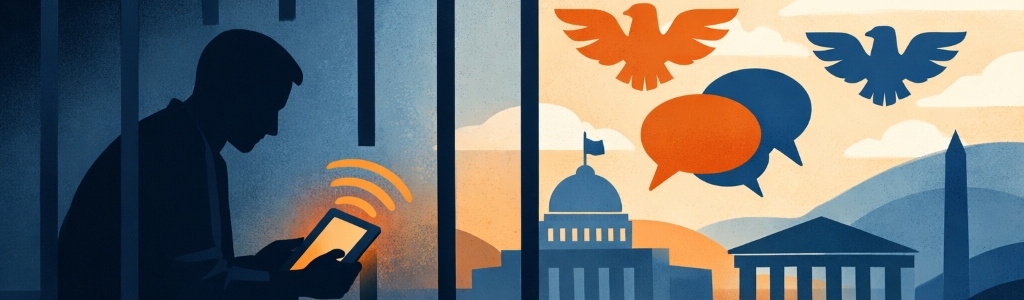
Posting from prison adds an extra layer of scrutiny because it raises questions about authorship, access, and how messaging is coordinated. The prison setting turned a political thread into a governance and controls story, not just a hot take. In a sector still repairing credibility, any hint of narrative management can spook stakeholders, especially when the speaker is linked to a marquee collapse. The uproar also underlines how political alignment becomes a risk factor for brands, partners, and communities that want to stay operationally neutral in public. It is reputational risk management, not just ideology.
What happens next will depend on whether this reemergence becomes a pattern or a one-off burst of commentary. The real KPI for observers is whether the account continues to publish politics-forward framing that keeps the controversy in motion. If more posts follow, expect faster response cycles from influencers, sharper sentiment swings, and renewed debate over his stated motives. If the thread goes quiet, the moment may still linger as a reminder that social channels can be leveraged to steer perception long after a crisis. In either case, stakeholders will tighten their comms playbooks.