
Bitcoin has returned to the center of institutional positioning after approximately $1.55 billion flowed into BTC-linked investment products within a single week, according to recent CoinShares data. With Bitcoin trading in the $90,000–$92,000 range, the movement appears to reflect a defensive allocation strategy rather than speculative momentum.
At the same time, Zero Knowledge Proof (ZKP) is being examined from a structural and technological perspective. Instead of reacting to macroeconomic stress, attention is increasingly focused on how privacy-preserving verification systems are designed, the problems they aim to address, and their potential relevance as long-term blockchain infrastructure.
Bitcoin Inflows Highlight Defensive Capital Allocation
Recent crypto fund flow data provides insight into how institutional capital is positioning under current market conditions. Key observations include:
-
Approximately $2.17 billion in total digital asset inflows in a single week
-
Bitcoin accounting for more than $1.55 billion, representing over 70% of total inflows
-
More limited allocations into Ethereum and select alternative assets
-
Late-week outflows suggesting cautious sentiment
Historically, inflows of this scale tend to occur during periods of elevated macroeconomic or geopolitical uncertainty. This pattern suggests Bitcoin is increasingly viewed as a portfolio hedge rather than a high-volatility growth asset.
Market Behaviour Reflects Risk Management Over Speculation
Despite the volume of inflows, Bitcoin has struggled to maintain previous highs near $98,000, retreating toward the $88,000–$90,000 range. This price behaviour supports the interpretation that institutions are prioritising exposure flexibility and downside protection rather than directional conviction.
From a structural standpoint:
-
Capital is largely entering through regulated investment vehicles
-
Leverage levels remain relatively restrained
-
Allocations appear designed to manage risk rather than pursue short-term gains
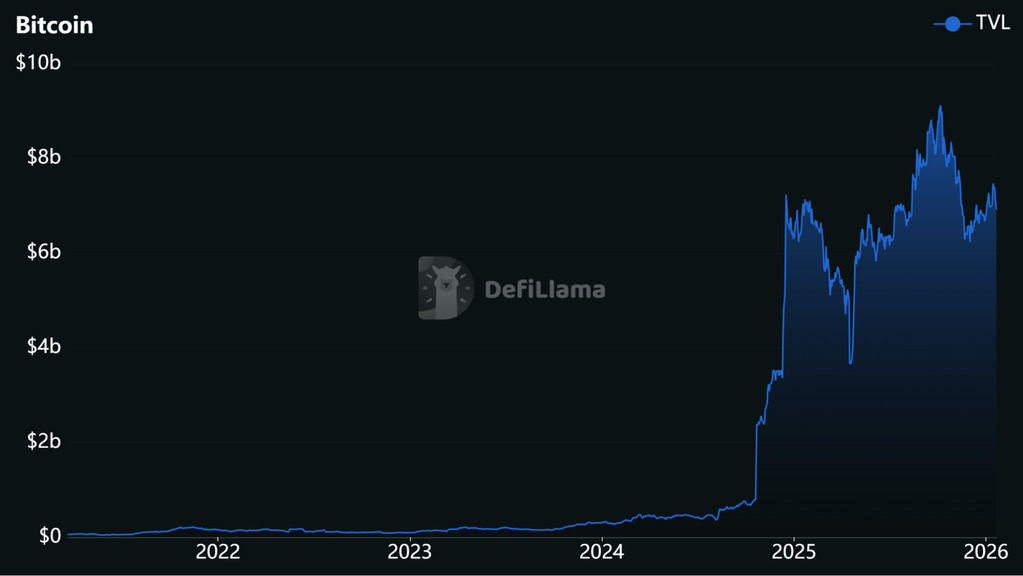
This dynamic reflects a broader shift across digital assets, where execution reliability and structural considerations are receiving greater emphasis.
Zero Knowledge Proof in Practical Terms
Zero Knowledge Proof (ZKP) is a blockchain project focused on cryptographic verification mechanisms that allow systems to prove correctness without revealing underlying data. This approach enables sensitive information to be processed securely while maintaining verifiable integrity at the protocol level.
Rather than competing primarily on transaction speed or market narratives, ZKP emphasises:
-
Cryptographic enforcement
-
Execution integrity
-
Reduced reliance on intermediaries
-
Privacy as a system-level feature
These characteristics position ZKP within the category of verification-focused blockchain infrastructure.
Why Zero-Knowledge Systems Are Being Evaluated Structurally
Discussion around Zero Knowledge Proof increasingly centres on architectural relevance rather than short-term price dynamics. Zero-knowledge proofs enable computation to be validated without exposing inputs, which is particularly relevant as blockchain applications expand into more data-intensive and compliance-sensitive environments.
Emerging blockchain use cases increasingly involve:
-
Large-scale data processing
-
AI-assisted workflows
-
Regulated financial systems
-
Enterprise-level execution requirements

In such contexts, transparency-by-default models can introduce operational and compliance challenges. Privacy-preserving verification offers an alternative framework.
Core Characteristics of ZKP’s Architecture
1. Privacy-Focused Execution
ZKP enables verification of computation outcomes without disclosing sensitive inputs or internal processes.
2. Verification Without Disclosure
Network participants can confirm correctness through cryptographic proofs rather than direct data access.
3. Reduced Execution Risk
Rule enforcement is handled through cryptography, reducing reliance on discretionary intermediaries.
4. Infrastructure-Oriented Design
The project prioritises system integrity and long-term functionality over short-term incentives.
5. Alignment With Emerging Use Cases
As blockchain adoption expands into regulated and enterprise environments, private yet verifiable computation becomes increasingly relevant.
Bottom Line
Bitcoin’s $1.55 billion in weekly inflows reflects heightened macroeconomic uncertainty and defensive institutional positioning. The activity suggests capital preservation strategies rather than speculative enthusiasm.
Zero Knowledge Proof represents a separate analytical focus, centred on the role of privacy-preserving verification within evolving blockchain systems. As digital infrastructure increasingly intersects with sensitive data, cryptographic verification without disclosure is becoming a foundational design consideration rather than a niche feature.
Explore Zero Knowledge Proof:
-
Website: https://zkp.com/
-
Auction: http://buy.zkp.com/
-
X (formerly Twitter): https://x.com/ZKPofficial
-
Telegram: https://t.me/ZKPofficial
FAQs
Why is Bitcoin attracting significant inflows?
Institutional investors are allocating defensively amid ongoing geopolitical and policy-related uncertainty.
How do zero-knowledge systems differ from traditional blockchains?
They allow verification of outcomes without exposing underlying data, reducing transparency-related risks.
Why is privacy-preserving computation relevant?
Future blockchain applications increasingly involve sensitive data that cannot be publicly disclosed.
This article contains information about a cryptocurrency presale. Crypto Economy is not associated with the project. As with any initiative within the crypto ecosystem, we encourage users to do their own research before participating, carefully considering both the potential and the risks involved. This content is for informational purposes only and does not constitute investment advice.