TL;DR
- Google Play will require overseas exchanges to complete FIU VASP registration by Jan. 28 to remain listed and update apps in South Korea.
- Compliance requires a repaired virtual asset business report, an AML framework, and ISMS certification from KISA, a timeline that may squeeze Binance and OKX.
- Officials said app blocks can stall trading features, transfers, and security patches; with futures bans and 15% to 20% ownership caps, pressure rises.
Google Play will tighten access to overseas crypto exchange apps in South Korea on Jan. 28, requiring foreign platforms to complete the Financial Intelligence Unit’s VASP registration to remain fully listed and to ship updates. The change covers virtual asset exchanges and software wallets, applies to all apps in South Korea’s Google Play market, and turns app distribution into an enforcement lever. This update makes market access conditional on passing a compliance gate before users can even download or update an app. Google says its developer console requires proof the FIU repair is completed.
App Store Gatekeeping Intensifies
Under the standard, overseas exchanges must “repair” their virtual asset business report, establish an anti-money laundering framework, and obtain an Information Security Management System certification from the Korea Internet & Security Agency. Economists cited in the report said global players like Binance and OKX may struggle to meet the timetable, which could push them out of the local app channel. The new requirement package concentrates regulatory burden into a near-term deadline that converts noncompliance into immediate distribution downtime. Only platforms that complete the FIU process can list apps or ship essential updates reliably.
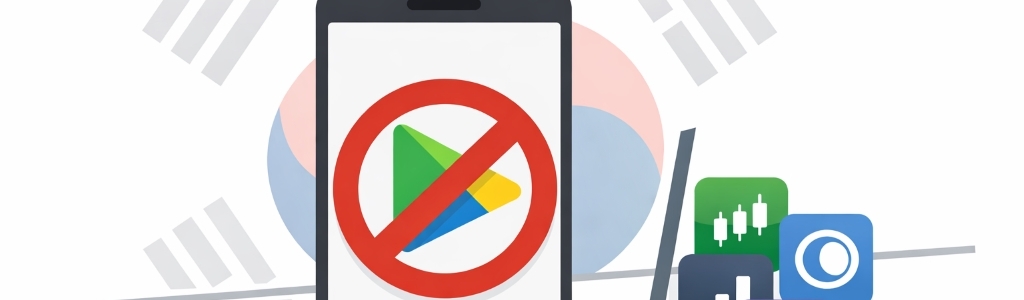
Authorities have used app controls before. In March last year, 17 foreign platforms were suspected of breaching the Special Financial Information Act, and regulators asked stores to block downloads and updates, while browser access persisted because the Korea Communications Standards Commission delayed website blocking. A government official said the difference now is that Google is blocking the distribution channel itself, warning investors may face “considerable inconvenience” moving assets or monetizing them. When updates are blocked, trading features, asset transfers, and security patches can stall, even if sites stay reachable, as financial apps need updates.
At the same time, financial authorities are tightening inspections of domestic operators’ shareholders and on-site local offices, a posture critics say makes it harder for overseas exchanges to satisfy FIU standards. The pressure is amplified because domestic exchanges are barred from virtual asset futures trading, pushing investors to globally available platforms for derivatives. Separately, DAXA opposed proposals to cap exchange shareholder stakes at 15% to 20%, warning it could impede growth and push users to overseas platforms. Taken together, the policy mix risks shrinking overall choice precisely as cross-border demand stays high.