TL;DR:
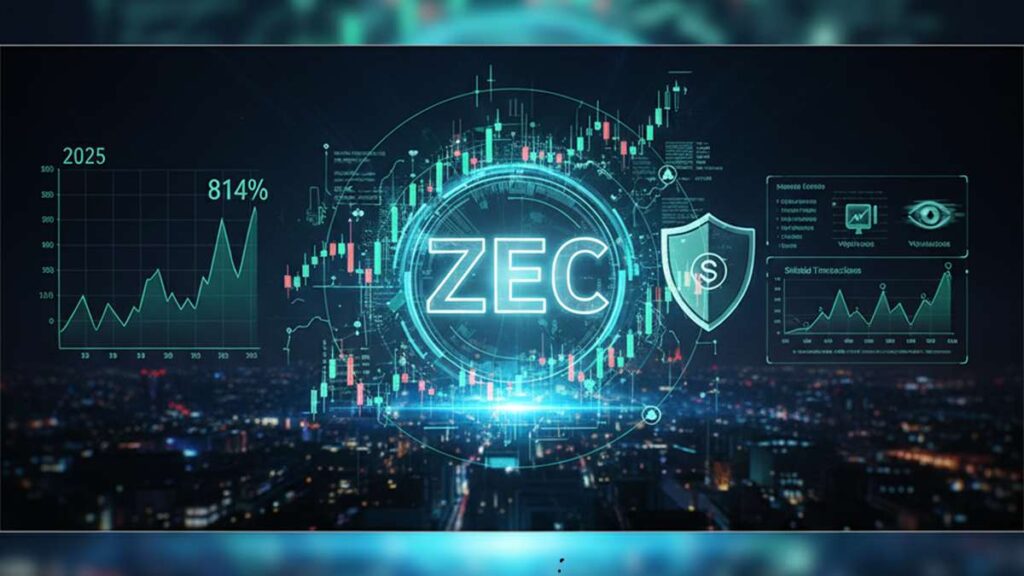
- Zcash (ZEC) experienced an 814% rally in 90 days after being considered an obsolete asset.
- The surge was driven by organic demand and the genuine use of its shielded pools.
- Analysts suggest that the need for privacy, fueled by AI and state surveillance, is behind the resurgence.
Last year, Zcash (ZEC) looked like a relic; at that time, it was a niche cryptocurrency moving between $30 and $40. But, in 2025, ZEC took a surprising turn and exploded, soaring over 800% in just 3 months. The crypto’s rally is not due to luck or speculative rumors, but to a revaluation based on real fundamentals that the market had ignored.
Optimizations like the Zashi wallet and Network Upgrade 6.1 finally began to pay off, with a notable increase in the number of users who returned to moving coins to private addresses (shielded pools). What is most impressive to analysts is the source of this demand, which is the genuine use of its privacy technology.
The ZEC rally at this time is not a coincidence. In an era where Artificial Intelligence (AI), digital identity, and government surveillance are growing at a dizzying pace globally, Zcash’s technology is perceived as less optional and more necessary.
The Zcash rally is not just a price spike; in fact, it is the sign of a deeper narrative in gestation. Large funds discreetly began re-exploring exposure to privacy, a category of assets they had avoided since the 2021 cycle. The constant flow of ZEC into shielded addresses is a classic indicator that users are actively choosing confidentiality.
Can Zcash Sustain the Rally until 2026?
That is the question dominating analysts right now: can ZEC maintain this momentum? Some predict that the 814% rally is just phase one, a price correction after years of being undervalued. If the demand for private transactions continues to rise and cryptographic infrastructure adopts more privacy tools, ZEC could definitively break its multi-year downtrend.
Other macroeconomic factors are also at play. For example, an eventual drop in interest rates next year could benefit risk assets like ZEC. Furthermore, if Bitcoin starts a new bull run in 2026, history suggests that privacy assets tend to lag slightly, only to explode later when liquidity rotates.
In summary, one thing is undeniable: Zcash reminds the market that privacy is not dead. In fact, in a world saturated with data collection by AI, it could be living its second youth. The resurgence of Zcash not only benefits the currency itself but revives interest in the entire privacy category, forcing investors to reconsider the potential of these assets in a full bull market.