

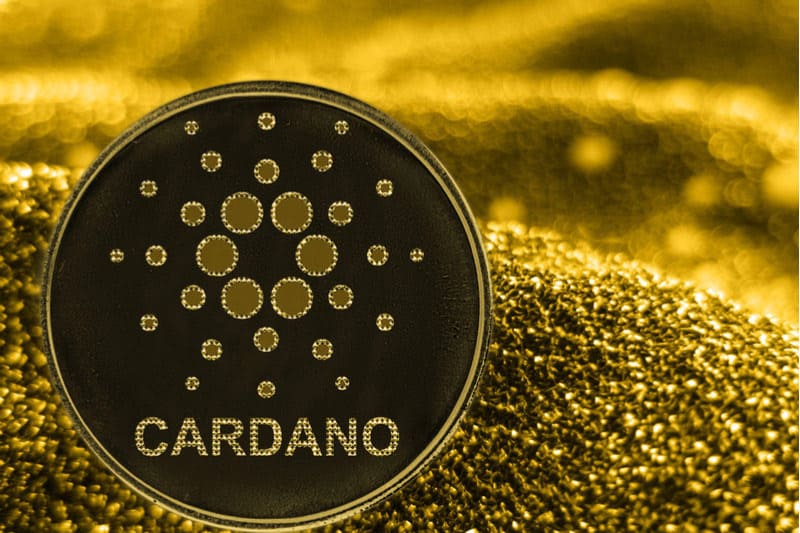
The cryptocurrency market continues to evolve as new projects and networks test different approaches to utility, governance, and user adoption. In 2025, three names frequently mentioned by market participants include: Bull Zilla, Cardano, and Toncoin.
They reflect different categories within crypto. BullZilla is presented by its team as a meme-themed token project with built-in supply and incentive mechanics. Cardano is a smart-contract platform that emphasizes research-driven development. Toncoin is linked to The Open Network (TON) and is often discussed in relation to messaging-app integrations. Any comparisons across these assets should consider differences in maturity, liquidity, and risk.
BullZilla: A Meme-Themed Token Project with Project-Reported Mechanics
BullZilla is described in project materials as a meme-themed token project built around an ongoing narrative concept. The team also describes “scarcity” and incentive features intended to influence token supply and holder behavior. Claims comparing it to earlier meme coins are promotional in nature and should be treated as opinion rather than independently verified analysis.
According to the project, BullZilla ($BZIL) is conducting a staged token sale and, at the time of writing, listed a per-token price of $0.00005241 along with fundraising and holder figures. These numbers are project-reported, can change quickly, and were not independently verified for this article. Any statements about past or future returns (including “paper gains” or projected listing outcomes) are speculative and not guaranteed.
BullZilla Features Described by the Project
Project materials describe several mechanics, including a token-burn process tied to milestones, a staking program that advertises variable yields, and a referral-style incentive system. Such mechanisms may involve smart-contract, market, and operational risks, and advertised yields or incentives can be changed or discontinued by project decisions or market conditions.
As with many early-stage token projects, outcomes depend on execution, liquidity conditions, and broader market risk, and they may not match promotional descriptions.
Token sale snapshot (project-reported)
| Metric | Value |
| Stage | 2nd (Dead Wallets Don’t Lie) |
| Phase | 2D |
| Current Price | $0.00005241 |
| Raised | $370,000+ |
| Holders | 1,300+ |
Availability and participation (general)
The project states that $BZIL is offered through its own token-sale site and that participation may require a compatible wallet and supported assets. Readers should rely on the project’s official documentation for current terms, eligibility, fees, and security guidance, and should consider that token sales can involve substantial loss risk, including smart-contract vulnerabilities and liquidity constraints.
Cardano: Research-Driven Development and Ongoing Scaling Work
Cardano has positioned itself as a blockchain that emphasizes peer-reviewed research and evidence-based upgrades. Its Ouroboros proof-of-stake design is generally discussed as more energy-efficient than proof-of-work models, though real-world efficiency depends on network conditions and usage.
The Alonzo upgrade added smart-contract capabilities, supporting DeFi and NFT use cases. Cardano’s scaling roadmap, including Hydra, is intended to improve throughput while maintaining decentralization and security, although results depend on implementation and adoption.
Cardano’s ecosystem activity includes initiatives in areas such as identity and tokenization. As with any network, its trajectory is influenced by developer adoption, regulatory developments, and broader market conditions.
Toncoin: Blockchain Adoption Tied to Integration Efforts
Toncoin, the native currency of The Open Network (TON), is frequently discussed in connection with efforts to integrate crypto features into messaging and consumer-facing applications. Supporters argue that familiar user interfaces could lower barriers to entry for some users, although real adoption depends on product rollout, compliance requirements, and user demand.
TON’s design is intended to support high throughput and network scalability. Performance figures cited in promotional or community materials can vary by test conditions and may not reflect sustained real-world usage.
The ecosystem also includes applications across DeFi, NFTs, and gaming. Like other networks, TON faces ongoing challenges around security, developer incentives, and competition among platforms.
Conclusion: Different Approaches, Different Risk Profiles
BullZilla, Cardano, and Toncoin illustrate three different approaches within crypto: a meme-themed early-stage token project, a research-oriented smart-contract platform, and a network focused on broader integration efforts. Any forward-looking expectations for price or adoption are uncertain, and readers should weigh differences in market maturity, transparency, and liquidity before drawing conclusions.
In general, early-stage token sales can carry higher execution and market risk than established networks, and outcomes can differ materially from project marketing claims.
For More Information:
Follow BZIL on X (Formerly Twitter)
FAQs
Q1: What makes BullZilla unique among meme coins?
Project materials emphasize its narrative branding and features such as token burns, staking, and referral-style incentives. Readers should treat these as project claims and consider related risks and uncertainties.
Q2: Is Cardano still competitive in 2025?
Cardano remains an active smart-contract platform with ongoing development. Its competitiveness depends on execution, developer adoption, and the broader market environment.
Q3: How does Toncoin differentiate itself?
Toncoin is often discussed in relation to integration efforts that aim to make crypto features accessible through consumer applications such as messaging. Adoption outcomes remain uncertain.
Q4: How risky are token sales like BullZilla?
They can carry significant volatility, liquidity, smart-contract, and execution risks, including the possibility of total loss. Independent research is essential.
Q5: Can these three coins complement each other in a portfolio?
Some market participants view different cryptoassets as having different risk and use-case profiles, but any allocation decision depends on individual circumstances and risk tolerance.
Glossary
- Token sale: A sale of tokens conducted by a project, often prior to broader exchange availability.
- Ouroboros: Cardano’s proof-of-stake protocol.
- Roar Burn Mechanism: BullZilla’s described token burn process.
- HODL Furnace: BullZilla’s described staking program (terms and yields may change and are not guaranteed).
- Hydra: Cardano’s Layer-2 scaling solution.
- TON: Blockchain ecosystem supporting Toncoin.
- Referral Rewards: Incentives a project may offer for promoting participation.
- Scalability: Ability to handle large transaction volumes.
- Token Burn: Permanent supply reduction mechanism.
- Finality: Property describing when transactions are considered irreversible under a network’s rules.
Summary
This article reviews three cryptoassets discussed in 2025: BullZilla, Cardano, and Toncoin. BullZilla is an early-stage token project that, according to its team, includes narrative branding and mechanics such as burns, staking, and referral incentives. Cardano continues to develop through research-oriented upgrades and smart-contract functionality. Toncoin is associated with TON and is frequently discussed in the context of broader integrations and consumer-facing access. Readers should treat project-reported figures and promotional claims with caution and consider the risks involved.
This outlet is not affiliated with the project mentioned. This article is for informational purposes only and does not constitute financial or investment advice.

