

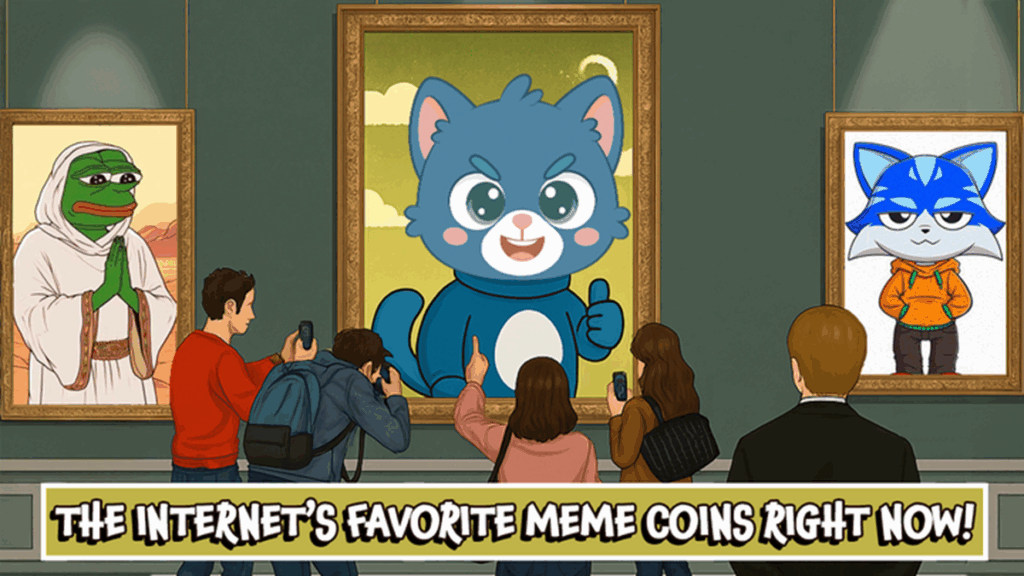
Internet memes can move quickly from a joke to a cultural moment, and meme tokens often follow a similar pattern in crypto markets. In recent weeks, several meme-coin communities have seen renewed discussion and trading activity. This article summarizes 10 meme tokens that have recently drawn attention, including one project running an early-stage token sale.
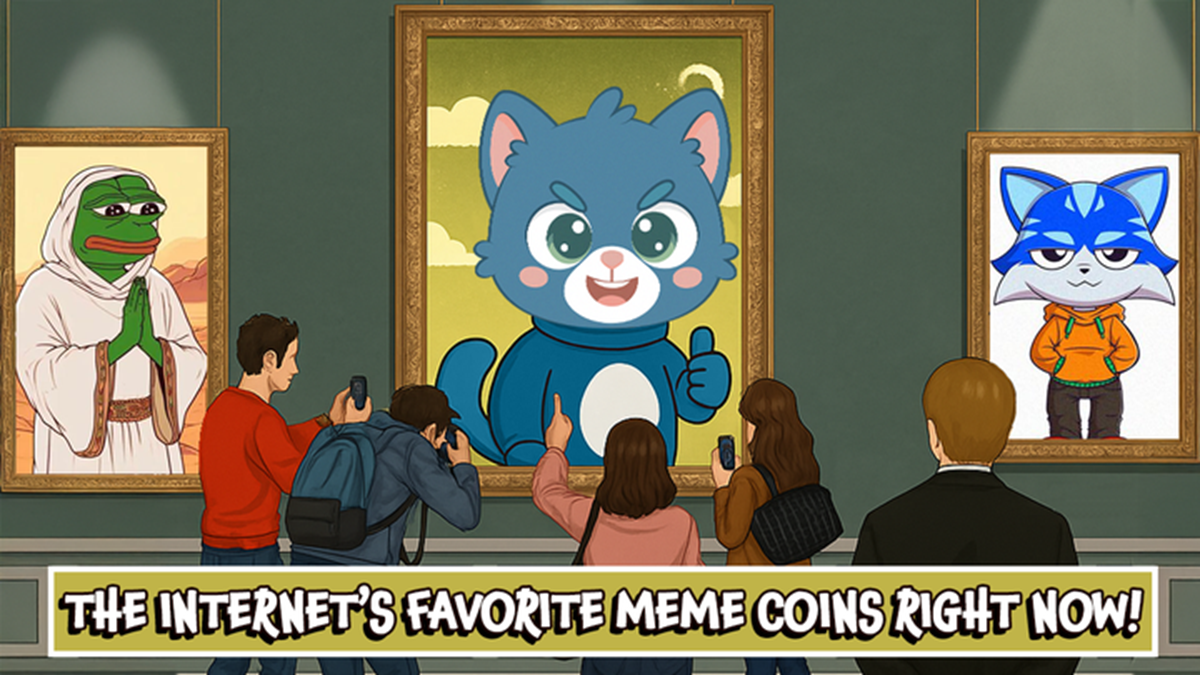
One of the names being promoted in this segment is Trollercat ($TCAT). According to project materials, it is in “Stage 15” of a multi-stage token sale and reports raising more than $400,000 with more than 1,500 holders at the time of writing. The project also lists a stage-based token price (shown as $0.00010624 in its own materials), though such figures can change and should be independently verified. Below is a high-level overview of $TCAT and nine other meme tokens mentioned in current market discussions.
1. Troller Cat ($TCAT)
Troller Cat’s branding references a series of well-known internet “troll” moments. The project describes a 26-stage distribution plan, with each stage themed around a particular meme or prank culture reference (Stage 15 is framed as a nod to “Left Shark,” per the project).
The project also describes various mechanisms often seen in meme-coin launches, including a stated liquidity-lock period, references to audit and KYC checks, and an Ethereum-based deployment. It also promotes optional features such as staking and token-supply reductions linked to a “Game Center,” though the availability, terms, and outcomes of these features are not guaranteed and can change. Any future listing plans and pricing targets mentioned by a project are speculative and may not materialize.
Referral Program (as described by the project)
Project materials also describe a referral program that provides bonus tokens to participants and invitees once certain purchase thresholds are met. Referral and bonus schemes are marketing incentives and should not be treated as a substitute for due diligence.
Why it has been mentioned in recent discussions: the project combines meme branding with product-style features (such as staking and in-app mechanics) and is running an early-stage token sale. As with any token sale, participants should consider smart-contract risk, disclosure quality, liquidity conditions, and the possibility of total loss.
2. Neiro ($NEIRO)
Neiro is presented as a meme token with AI-themed positioning. Public-facing descriptions reference “auto-learning” or adaptive decision layers, although such claims can be difficult to verify without detailed technical documentation and independent review. Market interest in AI narratives can also be cyclical and sentiment-driven.
Why it has been mentioned in recent discussions: it sits at the intersection of meme culture and AI-related marketing, which can attract attention during certain market cycles.
3. Popcat ($POPCAT)
Popcat originated from a viral meme and has remained closely tied to social engagement. Commentary around the token often references trading activity on decentralized exchanges and periodic supply-related events (such as burns), though the impact of such actions on price and liquidity is uncertain.
Why it has been mentioned in recent discussions: strong meme recognition and visible community activity can amplify attention, especially during volatile trading periods.
4. Notcoin ($NOT)
Notcoin is associated with gamified interactions, particularly on Telegram, and leans into irony as part of its identity. Community growth and distribution mechanics tied to apps or mini-games can influence visibility, but they do not indicate investment quality or future performance.
Why it has been mentioned in recent discussions: its distribution and engagement model has helped it maintain mindshare beyond a single meme cycle.
5. Peanut the Squirrel ($PNUT)
PNUT uses animal-themed branding and has been discussed alongside DeFi-style mechanics. Some community posts reference incentives tied to longer holding periods and campaign-style milestones, but terms can change and may vary by platform or distribution channel.
Why it has been mentioned in recent discussions: social-media visibility and incentive mechanics can increase engagement, though they also add complexity and risk.
6. Book of Meme ($BOME)
Book of Meme positions itself as a meme-culture archive concept, sometimes described through collectibles and community governance. Roadmaps and upgrade rumors should be treated as unconfirmed unless supported by official releases and verifiable code updates.
Why it has been mentioned in recent discussions: it frames meme participation as a broader “culture” product rather than a single-character token.
7. Floki ($FLOKI)
Floki is a longer-running meme token that has expanded into multiple product narratives, including gaming and NFTs. As with many ecosystem tokens, adoption claims can be difficult to quantify and may depend on broader market conditions and user retention.
Why it has been mentioned in recent discussions: it remains widely recognized and continues to publicize ecosystem-related initiatives.
8. Turbo ($TURBO)
Turbo is often described as a community-driven meme token with AI-related origin stories and limited venture-capital involvement. Mentions of future infrastructure work (such as bridges or L2 integrations) should be treated as plans rather than completed deliverables unless independently confirmed.
Why it has been mentioned in recent discussions: its backstory and community positioning have helped it stand out in a crowded category.
9. Brett ($BRETT)
BRETT is frequently associated with the Base ecosystem and has benefited from strong meme visibility. Claims about development practices (including identity disclosure) and “anti-rug” features vary by source and should be verified through primary documentation, code review, and reputable third-party analysis where available.
Why it has been mentioned in recent discussions: it has become a recognizable meme brand within its chain ecosystem.
10. LOFI ($LOFI)
LOFI is marketed around music-themed branding and references staking-style mechanics in community commentary. Influencer-driven visibility can be temporary, and incentive features can carry smart-contract, liquidity, and counterparty risks depending on how they are implemented.
Why it has been mentioned in recent discussions: the combination of entertainment branding and token incentives can attract attention, though it does not reduce risk.
Conclusion
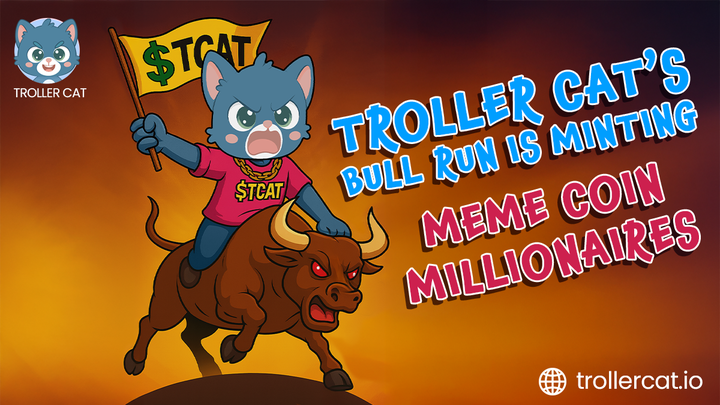
Meme tokens can see rapid swings in attention and price, often driven by social momentum rather than fundamentals. The projects listed above have been circulating in recent market conversations for reasons that include community activity, branding, ecosystem narratives, and (in the case of Troller Cat) a staged token sale described by the project.
Any figures or timelines referenced by projects (including staking rates, bonuses, sale-stage pricing, or prospective listings) should be treated as project-reported and non-predictive. Participants should consider the high risk of loss typical of meme-coin markets.
This article is for informational purposes only and does not constitute financial or investment advice.
This outlet is not affiliated with the project mentioned.
For More Information:
Project website (for reference): https://www.trollercat.io/
Project page with token sale information (for reference): https://www.trollercat.io/buy-now/
FAQs
- What does the project say about its current token sale stage and pricing?
Project materials reference a staged token sale with a price displayed for the current stage. Such information is project-reported, can change, and should be independently verified. - How does the project describe the referral program?
The project describes a referral feature that may provide bonus tokens to participants and invitees when certain conditions are met. Terms, eligibility, and distribution are subject to the project’s rules. - Why are Popcat and Brett frequently mentioned in meme-coin discussions?
Both have high meme recognition and active communities, which can increase visibility during periods of heightened trading interest. - Does the project describe a staking feature for Troller Cat?
Project materials reference staking. Staking involves risk, and advertised rates and terms can change. - What does the project say about plans after a potential market listing?
The project describes a roadmap that includes exchange and product-related milestones. Roadmaps are plans and may change; future outcomes are uncertain.
Glossary
- Token sale: A fundraising event where a project distributes tokens, sometimes ahead of broader exchange availability.
- Referral Bonus: Tokens distributed as a marketing incentive when a user invites another participant, subject to the project’s terms.
- APY (Annual Percentage Yield): A quoted annualized rate used to describe staking or yield programs. Advertised APY is not guaranteed and can change.
- Deflationary Tokenomics: A token model designed to reduce circulating supply over time through mechanisms such as burns or fees.
- Game Center: A project-described product feature that may generate revenue or token-supply actions; implementation and impact vary by project.
- Liquidity Lock: A mechanism that restricts access to liquidity for a stated period, typically implemented via smart contracts.
- Audit & KYC: Processes that may involve code review and identity verification. Their scope and rigor vary and do not eliminate risk.
Press releases or guest posts published by Crypto Economy have been submitted by companies or their representatives. Crypto Economy is not part of any of these agencies, projects or platforms. At Crypto Economy we do not give investment advice, if you are going to invest in any of the promoted projects you should do your own research.

