

Meme coins continue to cycle in and out of attention, and new projects often market themselves as the “next big thing.” Readers should treat performance claims, fundraising figures, and timelines as unverified unless independently confirmed.
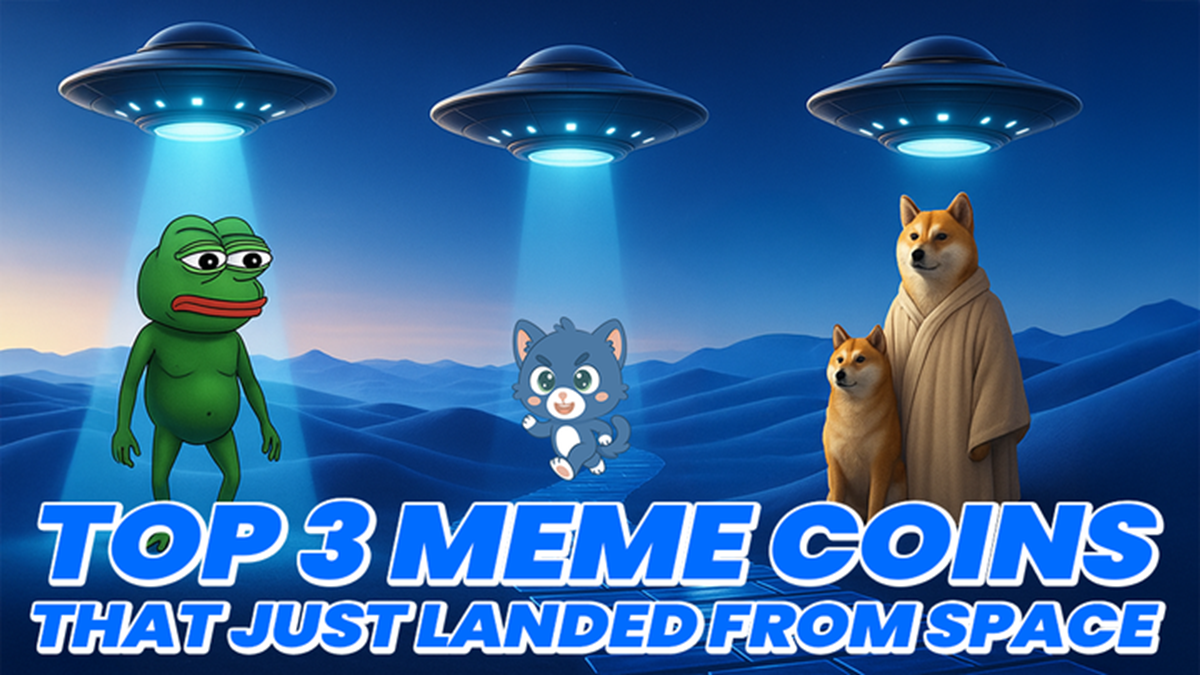
Dogecoin remains widely followed, Goatseus Maximus has drawn attention in meme-coin circles, and Trollercat is being marketed around a staged token sale and a beta “Game Center.” The project’s website states that more than $390,000 has been raised and that a “Stage 14” is currently available; it also publishes stage-by-stage pricing and projected outcomes, which should be treated as promotional estimates rather than guarantees.
1. Troller Cat ($TCAT)
According to the project’s own materials, Troller Cat is running a multi-stage token sale with changing prices by stage. The website lists a Stage 14 price of $0.00009667 and notes a Stage 1 reference price of $0.00000500; any return calculations derived from these figures depend on future market pricing and may not materialize. The project also states that it has more than 1,500 holders and has raised more than $390,000, but these figures are not independently verified in this article.
The project positions itself as a meme-led brand with utility features, tying its roadmap and stage names to internet “trolling” references. It also claims several risk-mitigation steps (such as an audit, KYC checks, and a liquidity lock) and advertises a staking program with an advertised 69% APY during the token sale. These statements are presented by the project and should be reviewed carefully by readers, including any underlying terms, smart-contract risks, and the meaning of “APY” in practice.
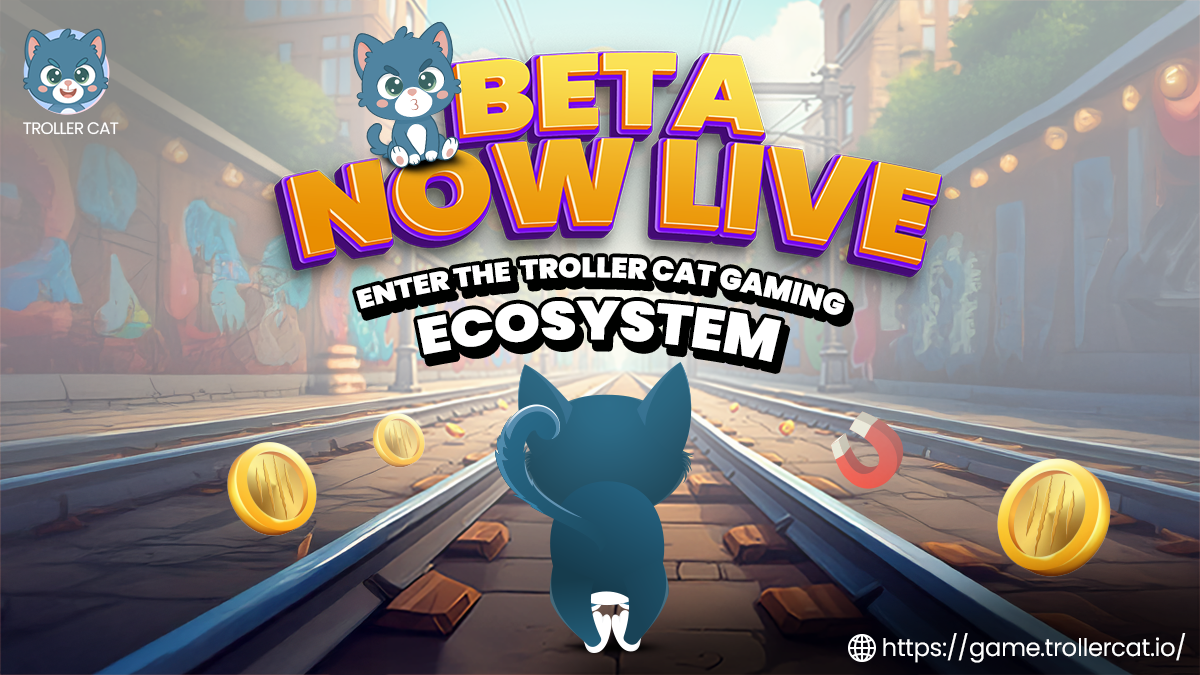
Troller Cat Game Center
The Troller Cat Game Center is described by the team as a beta product with mini-games (including “Troller Verse” and “Troller Dash”). Project materials state that advertising shown in-game could be used for buybacks and periodic token burns. As with any proposed token-supply mechanism, the timing, execution, and market impact are uncertain and depend on adoption, revenue generation, and on-chain implementation.
The project also frames gameplay as part of its broader token-economy design. Any claims about price effects, supply reduction benefits, or “value creation” should be treated as speculative.
Why it is included here: Troller Cat is notable primarily because it is being marketed around a staged token sale and a beta gaming feature set, which are common themes among newer meme-coin launches.
2. Dogecoin ($DOGE)
Dogecoin remains one of the most recognizable meme coins and is frequently discussed during meme-driven market cycles. It has long-standing liquidity and broad exchange availability compared with newer meme tokens. Claims about potential corporate integrations or merchant rollouts are often speculative; readers should look for primary-source confirmation when assessing such reports.
Dogecoin’s circulating supply mechanics differ from many newer tokens that advertise burns or deflationary features. These design choices can affect how investors evaluate scarcity narratives, but they do not determine future price performance on their own.
Why it is included here: Dogecoin remains a major reference point for meme-coin market sentiment and community-driven trading activity.
3. Goatseus Maximus ($GOAT)
Goatseus Maximus is a newer meme token that has drawn attention largely through branding and online community activity. As with many meme-coin launches, information about development plans and tokenomics may come primarily from project channels and social media rather than established disclosures.
The project has been associated in online discussion with potential initiatives such as a themed DEX and a community airdrop. These initiatives should be treated as tentative until officially launched and verifiable.
Why it is included here: It is an example of how narrative, meme culture, and community mechanics can drive attention in this segment of the market.
Conclusion
These three tokens illustrate different parts of the meme-coin landscape: an established asset with deep liquidity (Dogecoin), a newer community-driven launch (Goatseus Maximus), and a project marketing a staged token sale with a beta game component (Troller Cat). For Troller Cat in particular, pricing, “stage” timelines, fundraising totals, staking yields, and any buyback-and-burn plans are project-reported and may change; none should be interpreted as a forecast of market performance.
This article is for informational purposes only and does not constitute financial or investment advice.
This outlet is not affiliated with the project mentioned.

For More Information:
Project website (for reference): https://www.trollercat.io/
Project token-sale page (for reference): https://www.trollercat.io/buy-now/
FAQs
- Does Troller Cat publish projected returns for its token-sale stages?
The project’s website includes projections and comparisons between stages and a stated future “listing price.” These figures are promotional estimates and are not guarantees of future market prices or returns. - How does the Troller Cat Game Center relate to token supply?
Project materials state that advertising revenue from gameplay may be used for token buybacks and periodic token burns. Whether and how this occurs depends on execution and adoption. - Does the project describe a referral incentive?
The website describes a referral incentive and related tracking features. Readers should review the terms and any eligibility requirements directly and consider potential risks and regulatory considerations. - What utility does the project claim beyond branding?
The team promotes staking, gaming features, and token-supply mechanics as part of the product. The usefulness and sustainability of these features can only be assessed over time as the software and on-chain systems mature. - What does the project say happens after the token sale?
The project states that it intends to list the token on decentralized exchanges and pursue additional distribution and product rollouts. Such plans can change and may not be delivered on the timelines described.
Glossary
- Token-sale stage: A phase where tokens are offered under specific terms that may differ from later stages or public markets.
- Staking: Locking tokens in a protocol in exchange for rewards, subject to smart-contract, market, and liquidity risks.
- APY: Annual Percentage Yield; a quoted rate used to express potential rewards over a year, typically based on assumptions that may change.
- Deflationary: A model designed to reduce circulating supply over time, often through burns or other mechanisms.
- Buyback & Burn: Using funds to repurchase tokens and remove them from circulation.
- Referral incentive: A marketing program that rewards users for referring others, subject to stated terms.
- Play-to-Earn (P2E): Games where players may receive token rewards tied to gameplay activity, which can be volatile and vary by rules and market conditions.
Press releases or guest posts published by Crypto Economy may be submitted by companies or their representatives. Crypto Economy is not part of any of these agencies, projects or platforms. Crypto Economy does not provide investment advice; if you choose to engage with any project mentioned, consider independent research and the risks involved.

