TLDR
- Experts deny that the reduction of tokens on exchanges triggers an explosive price increase.
- Lawyer Bill Morgan claims that Bitcoin’s price action remains the determining factor for XRP.
- The success of XRP ETFs has removed over 750 million tokens from the market, fueling scarcity theories.
Rumors of a purported Ripple shortage have sparked intense debate within the cryptocurrency ecosystem in recent hours. Analysts are observing a drastic decrease in tokens on trading platforms, intensifying the supply shock theory. However, industry authorities suggest that the real XRP supply impact is less significant than speculated.
Bill Morgan, a renowned pro-crypto lawyer, has been one of the most vocal critics of this narrative. He maintains that the decline in exchange inventory does not dictate the crypto’s future. His analysis asserts that the XRP supply impact is secondary, as the price is intimately linked to Bitcoin. “What really matters is what Bitcoin’s price is doing; that’s the key factor,” the expert noted.
Ripple ETFs and Dynamic Market Liquidity
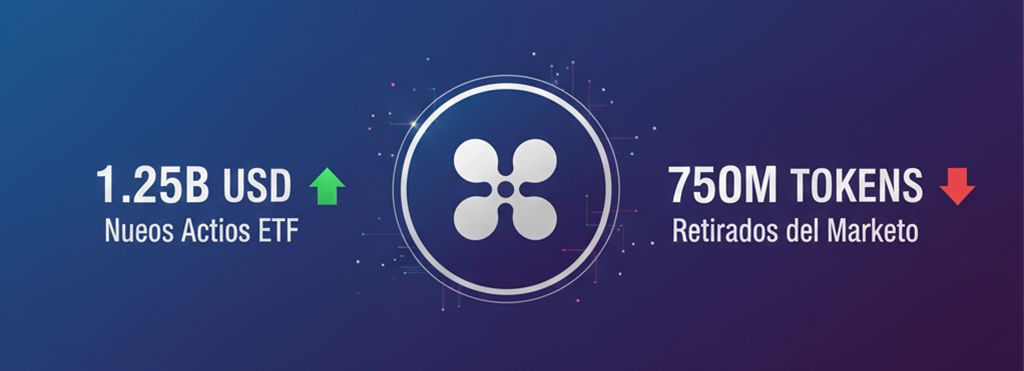
Despite the skepticism from Morgan and other figures like the validator VET—who claimed that 16 billion tokens are still available—data from new financial products tell a different story. Since XRP ETFs were established in November 2025, they have captured over $1.25 billion in net assets. This institutional absorption, which already exceeds 750 million tokens, is removing immediate liquidity from exchanges.
This situation has created a dichotomy in the analysis of the XRP supply impact. On one hand, dynamic liquidity allows any large holder to send funds to an exchange in seconds, stabilizing the supply. On the other hand, massive accumulation through ETFs could, in the long term, reduce the aggressive selling pressure that has historically held the asset back.
In summary, while the supply shock narrative generates optimism and headlines, the market seems to follow a golden rule: as long as Bitcoin leads the macro trend, the XRP supply impact on price will be just another piece in a puzzle controlled by the king of cryptocurrencies. Investors are now watching to see if institutional demand from ETFs will be enough to break this historical correlation.