TL;DR:
- USDe fell 24% in November after $2.2 billion in redemptions.
- USDT, USDC, PYUSD, and RLUSD added billions, reinforcing the dominance of fiat-backed stablecoins.
- The October depeg preceded the drop, even though Ethena claimed the backing mechanism worked correctly.
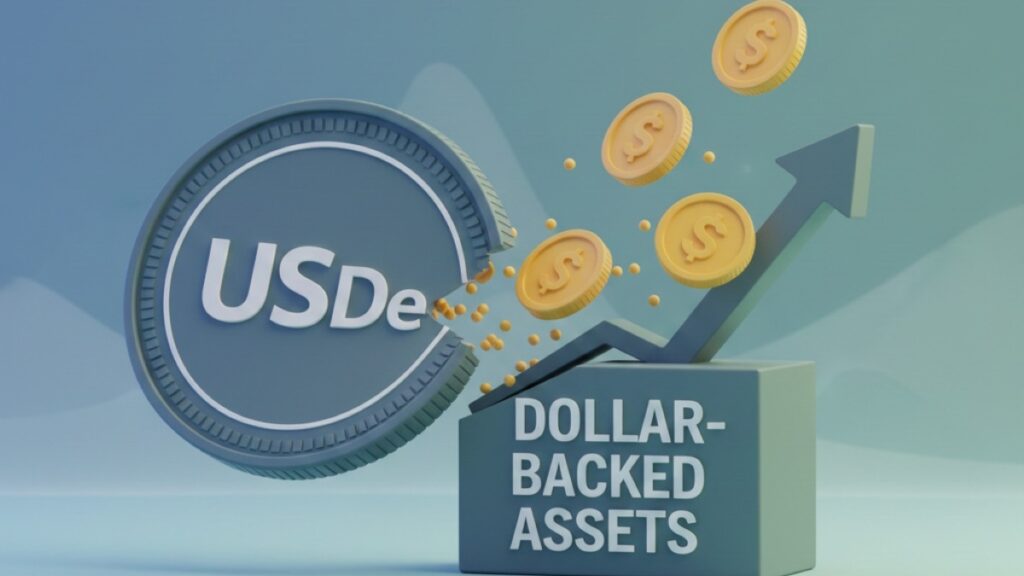
Ethena’s USDe contraction in November underscored a rapid shift in the stablecoin landscape, as traders moved toward dollar-backed assets while synthetic models faced scrutiny. USDe’s steep monthly decline set the tone for a broader reassessment of stability mechanisms across the market.
PayPal's PYUSD has grown from $1.2B market cap in September to over $3.8B today.
Track over 300 stablecoins on DefiLlama. pic.twitter.com/leBEixDhQ6
— DefiLlama.com (@DefiLlama) December 3, 2025
USDe contraction and the rise of fiat-backed stablecoins
Ethena’s synthetic USDe, which relies on derivatives-based strategies rather than fiat reserves, recorded one of its sharpest supply drops to date. USDe supply fell from $9.3 billion to $7.1 billion in November, driven by about $2.2 billion in redemptions across exchanges, DApps and liquidity pools.

The retracement followed a high-profile depeg in October, when USDe briefly fell to $0.65 on Binance due to an oracle malfunction. Ethena insisted its collateral mechanism functioned normally, noting that minting and redemption worked throughout the event and allowed users to redeem about 2 billion tokens across DeFi platforms.
Despite these assurances, confidence weakened. USDe’s market cap has fallen more than 53% since early October, sliding from $14.8 billion to $6.9 billion and pushing the token from third to fourth place among stablecoins by valuation.
While USDe contracted, dollar-backed stablecoins expanded aggressively. USDT, USDC, PYUSD and RLUSD added billions in inflows, strengthening their dominance with a combined $303 billion share of the $311 billion stablecoin market. Their steady growth contrasted sharply with the volatility surrounding synthetic models.
Analysts point to the depeg event as a catalyst for rotation into fiat-backed assets. Users prioritized stablecoins fully supported by cash or equivalent reserves, especially after witnessing rapid downward pressure on USDe’s price during the oracle failure. The episode highlighted how swiftly sentiment can shift when synthetic structures face stress.
The trend suggests a tightening divide within the sector. Fiat-backed stablecoins appear poised to consolidate their lead, buoyed by predictable redemption mechanisms and clearer reserve backing, while synthetic alternatives may continue battling perceptions of fragility. Whether Ethena can reverse USDe’s contraction will likely depend on restoring confidence after weeks of heavy outflows.
Observers note that the contraction does not necessarily signal a long-term decline for synthetic designs. Supporters argue that derivatives-based models can still offer yield and capital efficiency, provided infrastructure reliability improves. For Ethena, the coming months may test whether innovation alone can overcome heightened caution. Market sentiment remains reactive during periods of stress.