

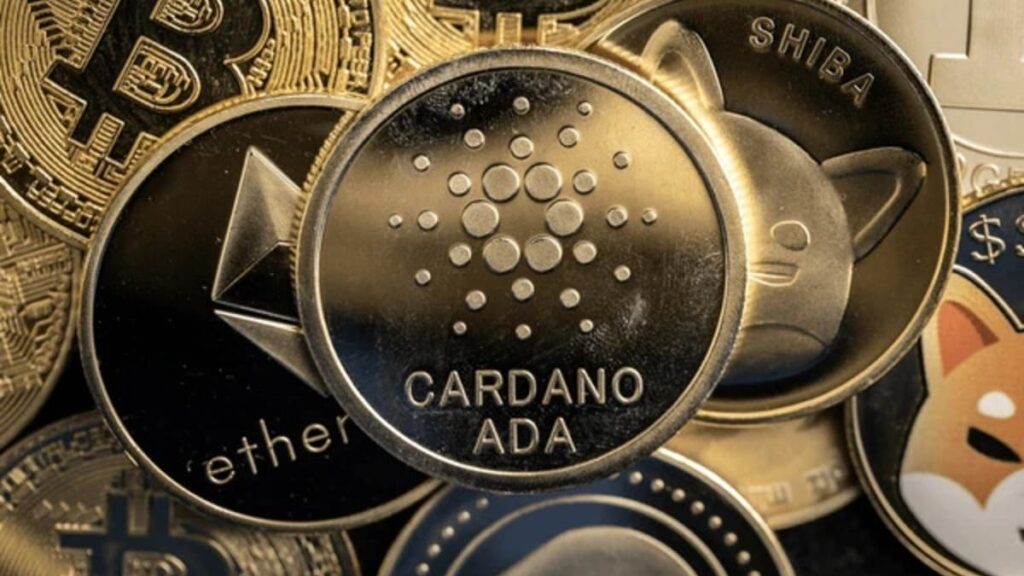
“High-return token sale” narratives have been a prominent theme in crypto discourse in 2025, often blending memes, technical claims, and speculation. This article references BullZilla alongside established networks TRON and Cardano for context.
BullZilla ($BZIL) is being marketed as an early-stage token sale project, while TRON is widely used for stablecoin transfers and Cardano continues building out its DeFi ecosystem. The three are often mentioned together in trader commentary, but they differ significantly in maturity, liquidity, and risk.
BullZilla ($BZIL): Project overview (token sale)
BullZilla is presented by its promoters as an Ethereum-based token sale that combines meme branding with on-chain mechanics described in its materials as supporting supply management and incentives. As with any new token, these mechanisms do not guarantee market performance.
The Roar Burn Mechanism
According to project materials, the “Roar Burn Mechanism” involves periodically removing tokens from circulation by burning them from a designated pool when certain milestones are met. Token burns reduce supply, but they do not, on their own, determine price or future returns.
The project also describes “Roar Surge” events as visible signals tied to these burns. Community interest around such events can affect attention and trading activity, though outcomes are uncertain.
The Roarblood Vault and loyalty incentives
BullZilla also describes a central treasury (“Roarblood Vault”) used for project operations and incentives. Project materials reference referral bonuses and a staking program with rates described as “up to 70% APY,” which is not independently verified here and can change based on program rules, emissions, and market conditions.
As with other incentive designs in crypto, referral and staking programs can introduce additional risks and complexity for participants.
Token sale snapshot (project-reported)
- Stage: 3 (label used in project materials)
- Phase: 3B
- Price: $0.00006574
- Raised: $500,000+
- Holders: 1,700+
Figures above appear to be presented as a snapshot by the project and may not reflect independently verified or up-to-date on-chain and off-chain data.
Participation details
The project indicates that participation in its token sale involves an Ethereum-compatible wallet and payment in crypto. Readers should review the project’s documentation and understand smart-contract, custody, liquidity, and regulatory risks before interacting with any token sale.
TRON (TRX): Network usage context
TRON is an established network that has been widely used for stablecoin transfers and other on-chain activity. Unlike early-stage token sales, TRX trades in liquid secondary markets and has a longer operating history, which can change its risk profile relative to newer tokens.
Price, market capitalization, and transaction metrics for TRON can vary meaningfully over short periods. Any discussion of “retesting” past highs should be treated as speculative rather than a forecast.
Cardano (ADA): DeFi and market narrative
Cardano is also frequently referenced in broader market discussions, particularly around DeFi development, liquidity, and the long-term progress of its ecosystem. As with other large-cap assets, near-term price levels and technical “breakout” narratives are inherently uncertain.
From time to time, prediction markets and commentary track the perceived likelihood of events such as a potential spot ADA ETF. These odds reflect market opinion, not confirmed outcomes.
Conclusion
BullZilla is being promoted as an early-stage token sale with burn and incentive mechanisms described by the project, while TRON and Cardano represent more established networks with different market structures and liquidity conditions. Comparing these assets side-by-side can be useful for understanding market narratives, but it should not be read as a recommendation to buy or sell any token.
For more information (project links for reference):
Follow BZIL on X (Formerly Twitter)
Frequently Asked Questions about BullZilla’s token sale
Why is BullZilla being discussed?
The project has drawn attention online due to its marketing, its described token burn design, and its incentives. These are project-reported features and should not be interpreted as evidence of future performance.
How does TRON relate to this topic?
TRON is often cited as an example of a network with significant on-chain usage, which some newer projects reference when discussing long-term utility.
Why is Cardano mentioned in the same discussion?
Cardano’s ecosystem development and market narratives (including periodic ETF speculation) are sometimes used as benchmarks in broader crypto commentary.
Are token sales risky?
Yes. Token sales can involve high volatility, smart-contract and custody risk, limited liquidity, and regulatory uncertainty. Independent due diligence is important.
Glossary
- APY: Annualized percentage yield, typically used to describe staking or reward programs.
- Burn mechanism: A process intended to permanently reduce token supply.
- DEX: Decentralized exchange for token trading.
- ETF: Exchange-traded fund.
- Token sale: A fundraising event where a project sells tokens, sometimes before broader market trading is available.
- Stablecoin: A cryptocurrency designed to track the value of a reference asset (often a fiat currency).
- Tokenomics: Design and allocation rules for a token.
- TVL: Total value locked in DeFi protocols.
- Whale: A market participant with a relatively large position.
- Liquidity: The ability to buy or sell an asset without materially affecting its price.
This outlet is not affiliated with the project mentioned. This article is for informational purposes only and does not constitute financial or investment advice.

