

Staking is one method some holders use to earn protocol-level rewards on assets they already hold. The details and risks vary significantly by network and by project.
Terms can differ across tokens, including lock-up periods, penalty rules, and how rewards are calculated or changed over time.
Below are three examples that are often discussed in connection with staking mechanics, including a case study of Noomez ($NNZ), which describes a two-phase structure for long-term holders.
The 3 Best Staking Crypto Options for Long-Term Holders
1. Noomez ($NNZ)
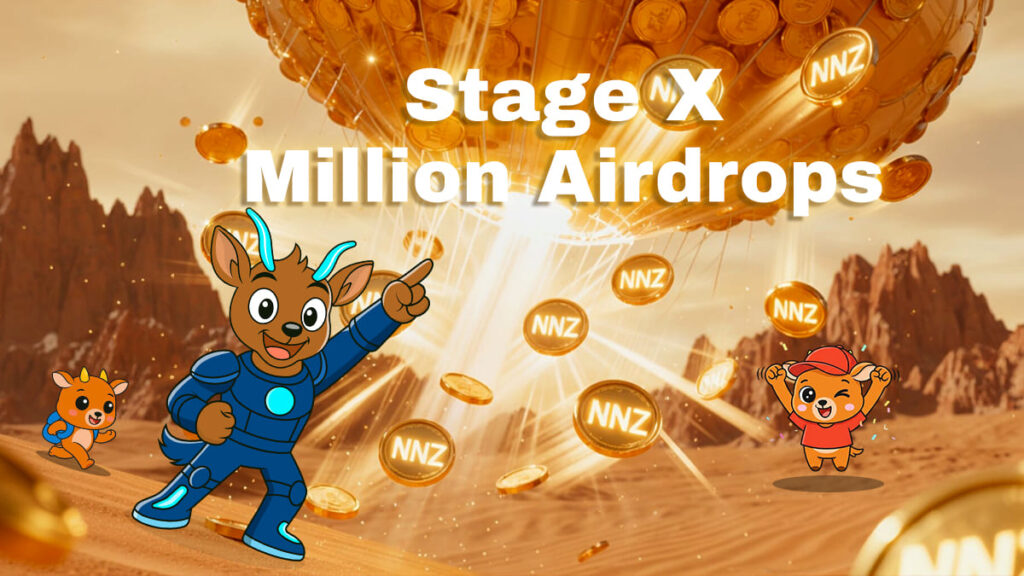
Noomez ($NNZ) describes a staking model with two phases intended to incentivize longer holding periods. According to project materials, during its token sale participants could lock tokens via Noom Rewards, a pool funded by a Noom Stake allocation and supplemented by marketing programs described as Stage X Million Airdrops and Vaults.
The project states that rewards remain locked until 30 days after launch, meaning participants may not be able to access those rewards immediately after trading starts.
After launch, the project describes a second layer called the Keeper’s Path, with lock periods ranging between 30 and 365 days. Reward rates and other incentives are set by the project’s rules and may change; longer lock periods are described as receiving higher reward rates under those rules. The project has also referenced additional non-cash incentives such as NFTs or partner perks.
The project states that pool activity can be tracked on-chain and that ending a lock early can trigger penalties under its terms.
- Two-phase rewards structure (project-described)
- Multiple lock-period options
- On-chain visibility (project-described)
2. Ethereum ($ETH)
Ethereum is a large proof-of-stake network with an established validator and delegation ecosystem. The price sits at $2,821.78 with a circulating supply of 120.69METH, and the market cap stands at $340.62B.
Trading volume reached more than $21.79B in the latest session. ETH uses a proof-of-stake model where participants commit assets to help secure the network and may receive staking rewards, subject to protocol conditions, validator performance, fees, and other variables.
The 24-hour range moved from $2,768.56 to $2,855.25.
Ethereum’s staking model has been live for multiple years, and it is commonly used by market participants who want exposure to a long-running network with deep liquidity.
- Large staking ecosystem
- High liquidity
- Long operating history
3. Cardano ($ADA)
Cardano uses a delegation-based staking system that, in typical implementations, allows holders to delegate ADA to stake pools without a mandatory lock-up. The price is currently $0.4127 with a circulating supply of 35.88B ADA.
Market cap sits at $14.81B, and trading volume hit $684.4M during the last session. The 24-hour price range moved from $0.4024 to $0.4176.
Cardano’s staking approach is often described as straightforward for participants because delegation can usually be changed without complex lock mechanics, depending on the wallet and pool used.
The total supply is fixed at 44.99B ADA, and network activity varies across market phases. Staking rewards, where available, depend on protocol rules, pool performance, and other factors.
- Delegation-based model
- No mandatory lock-up in typical delegation flows
- Large user base
How Noomez Coin Describes Rewards for Long-Term Holders During and After the Token Sale
According to the project, $NNZ was designed to encourage longer holding through time-based locks and staged reward programs. For context, staking generally refers to committing tokens under a protocol’s rules in exchange for rewards, which can vary over time and are not guaranteed.
In Noomez’s token-sale phase, the project describes Noom Rewards as being supported by 5% of the total supply, with additional incentives tied to the Stage X Million Airdrops and Vault events.
Project marketing materials have also referenced bonus programs and quoted reward-rate figures (including “up to 66% APY”) for certain periods. Such figures are project-reported, may change, and do not represent a guarantee of future returns.
The project has described its token sale as being segmented into stages with allocation and/or time limits, and has indicated that pricing can vary by stage. After launch, the project states that the Keeper’s Path becomes available with lock options from 30 to 365 days.
The project also states that longer lock periods may receive higher reward rates under its rules, and that some participants may be eligible for additional items such as NFTs or partner distributions, depending on the program terms.
For More Information:
Website (project link for reference): Visit the Official Noomez Website
Twitter/X (project link for reference): Follow Noomez ON X (Formerly Twitter)
This article contains information about a cryptocurrency token sale. This outlet is not affiliated with the project mentioned. This article is for informational purposes only and does not constitute financial or investment advice.

